
Last updated October 9, 2026
Free visual inspection and a written scope of work before any mitigation begins - photos, moisture readings, and drying logs go in your claim file
The scope we write is the scope we bill. Anything new gets shown to you, in writing, before we touch it.
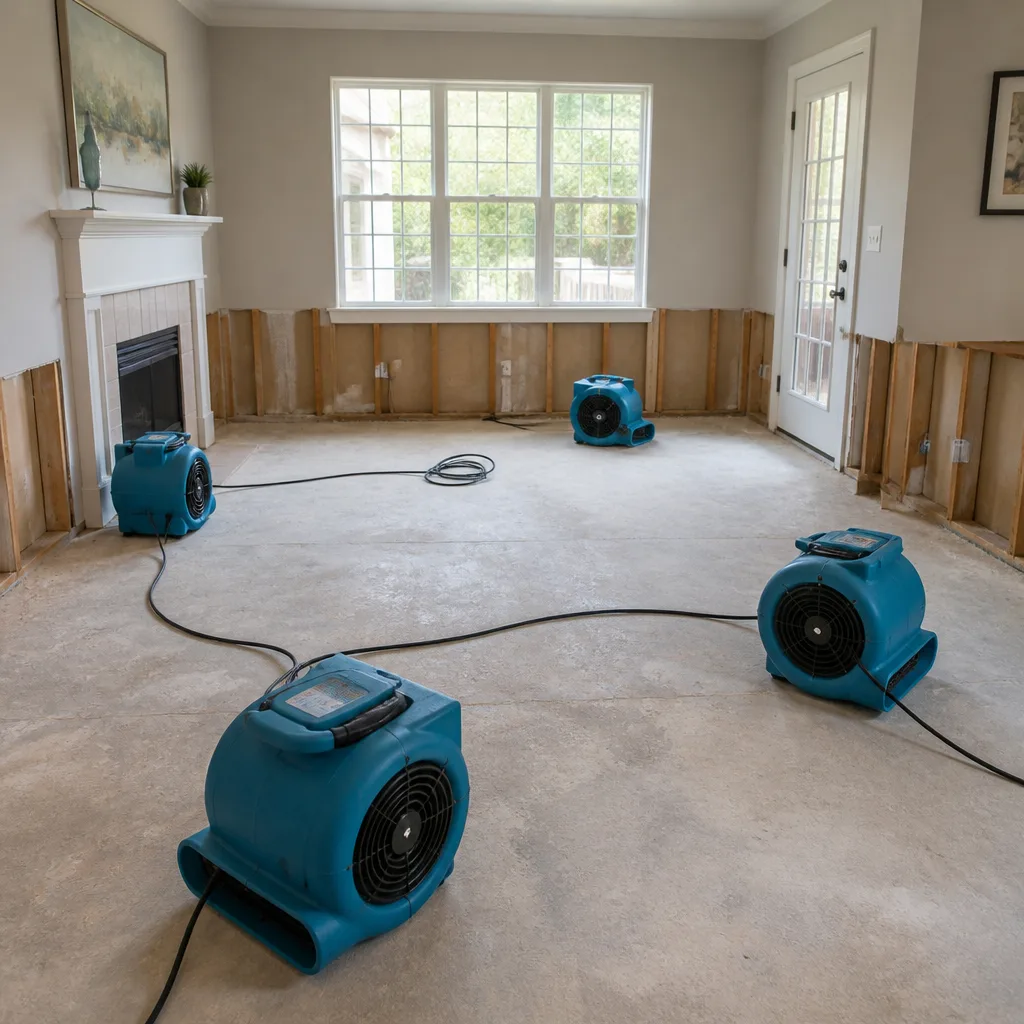

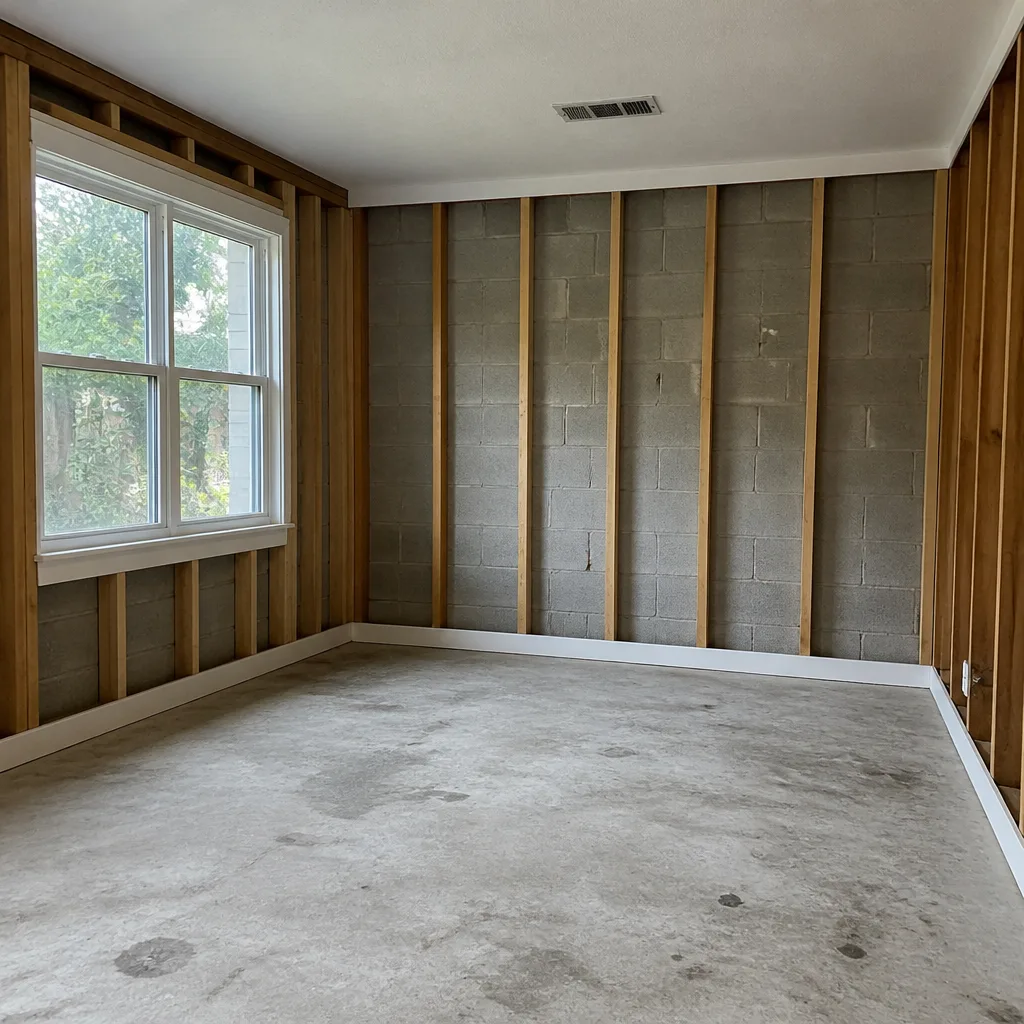

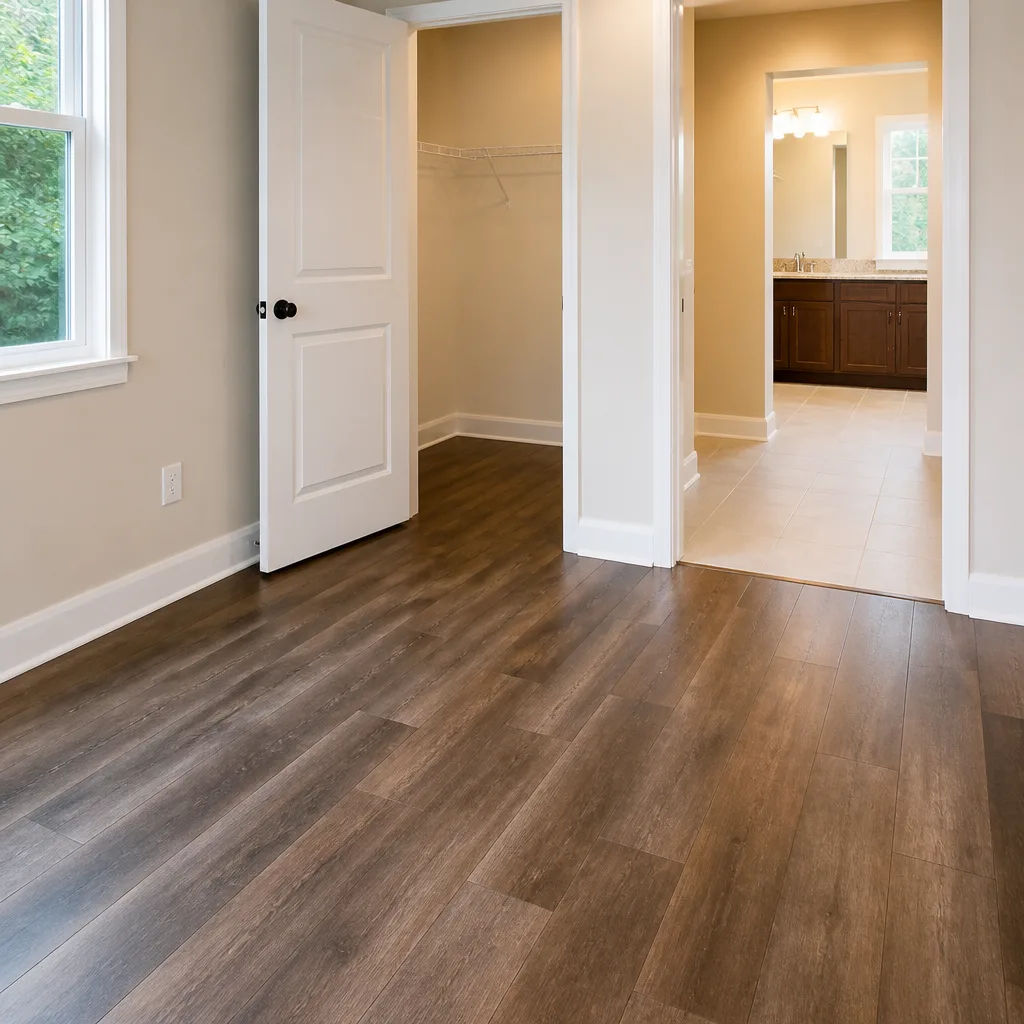

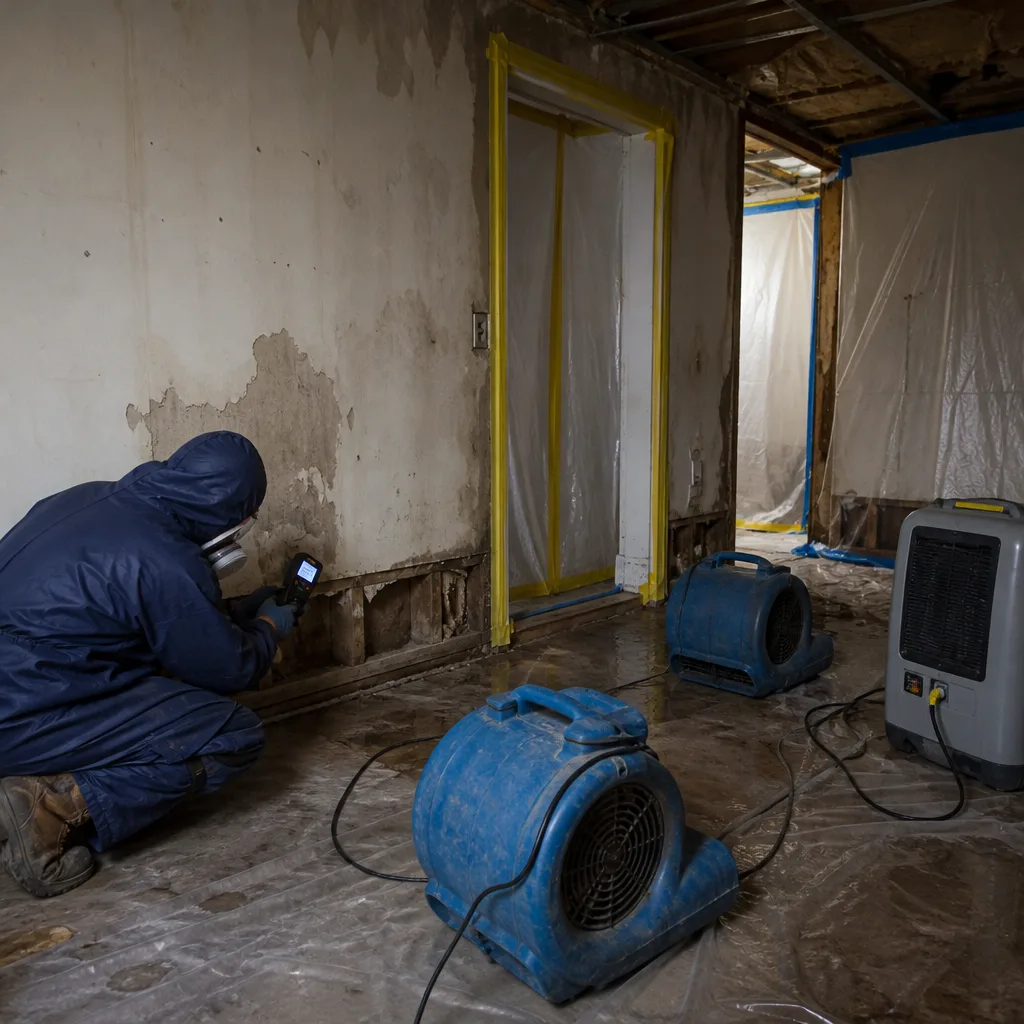 Before
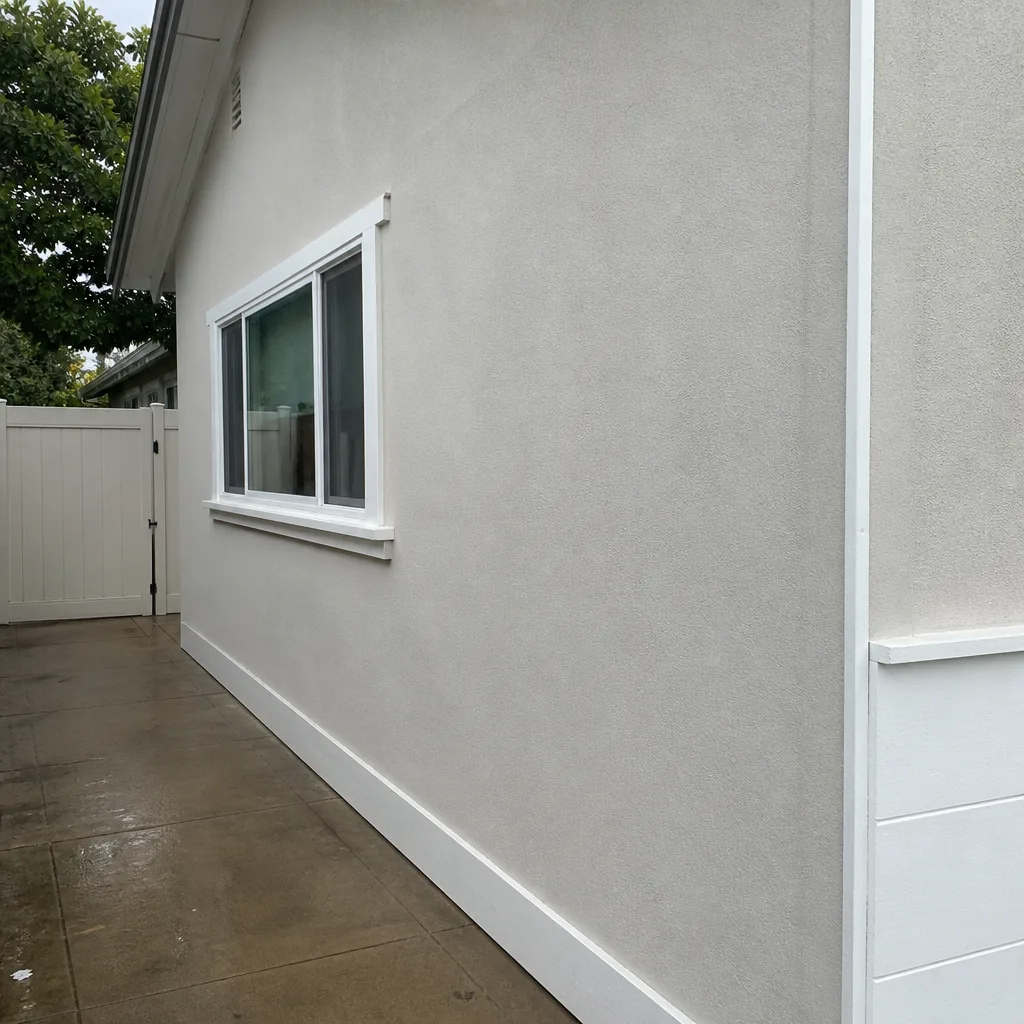 After
After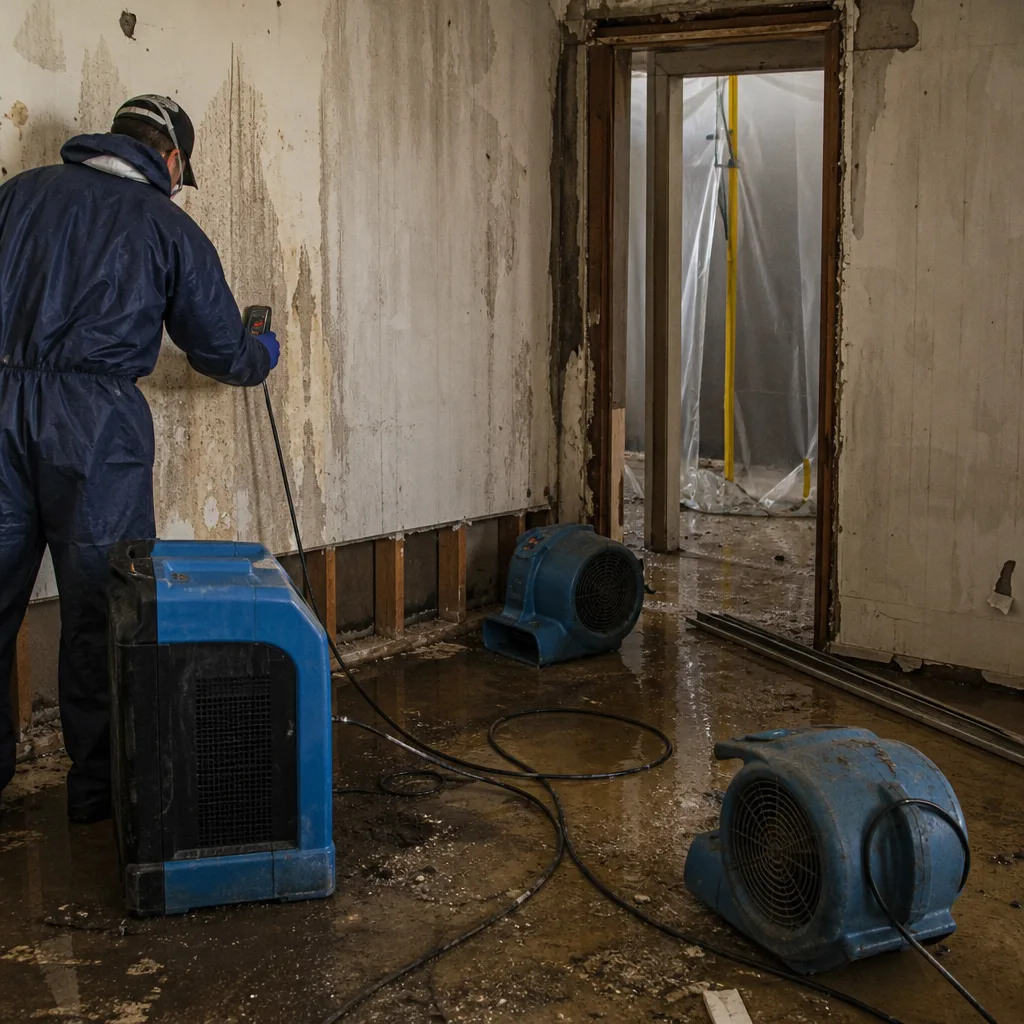 Before
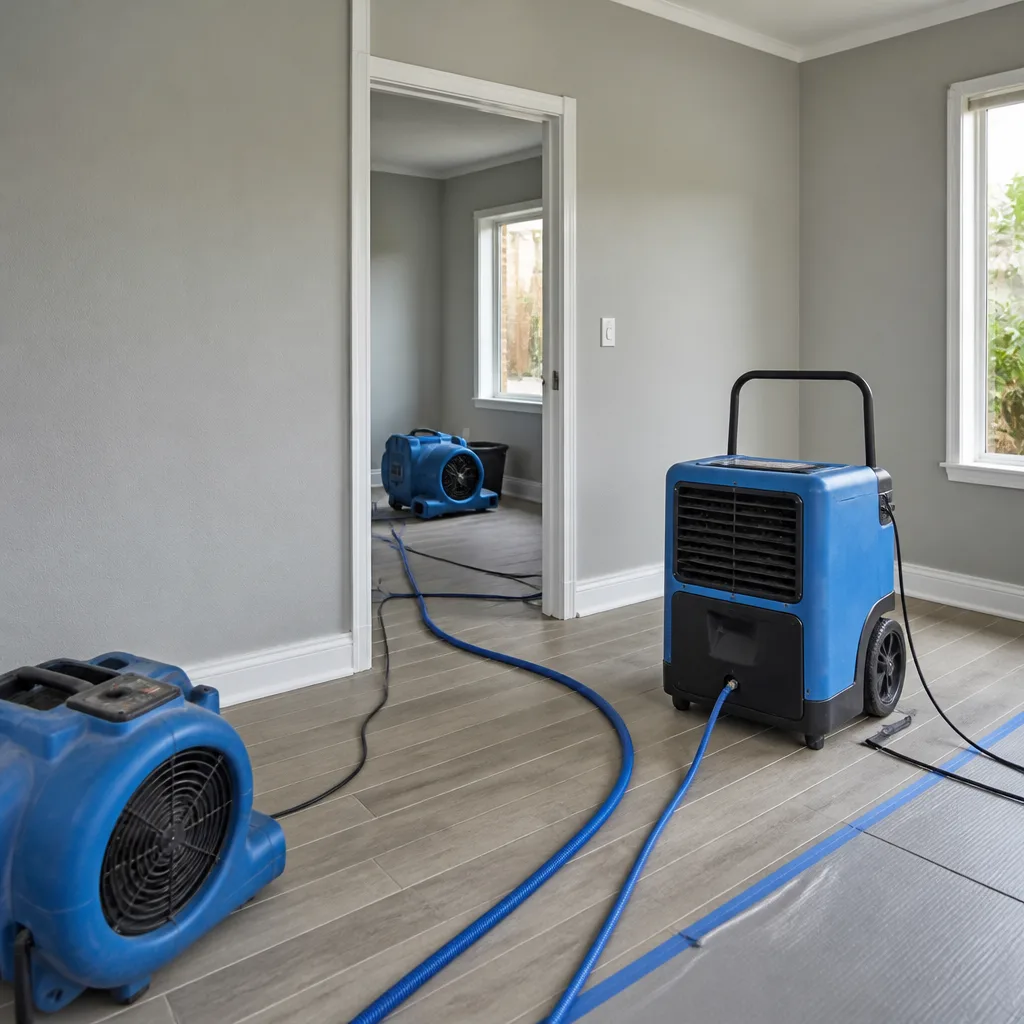 After
After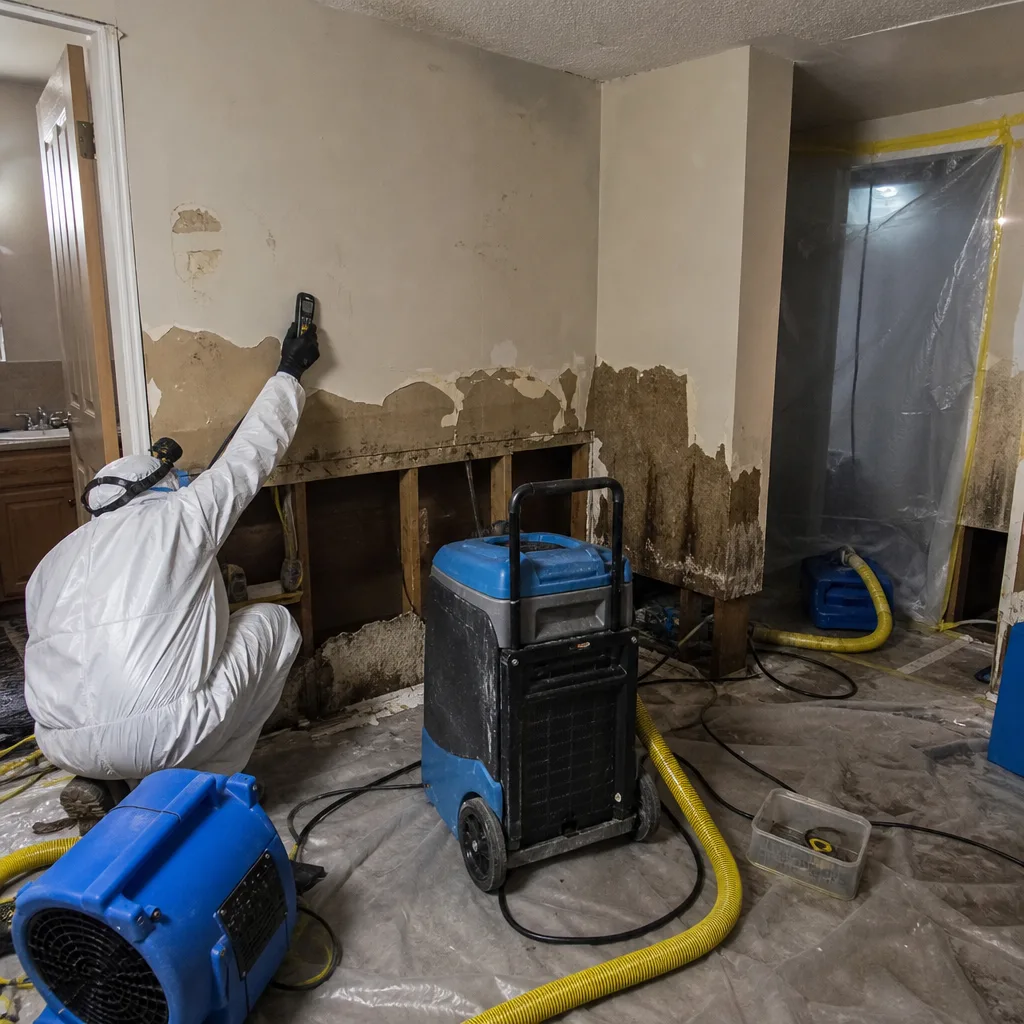 Before
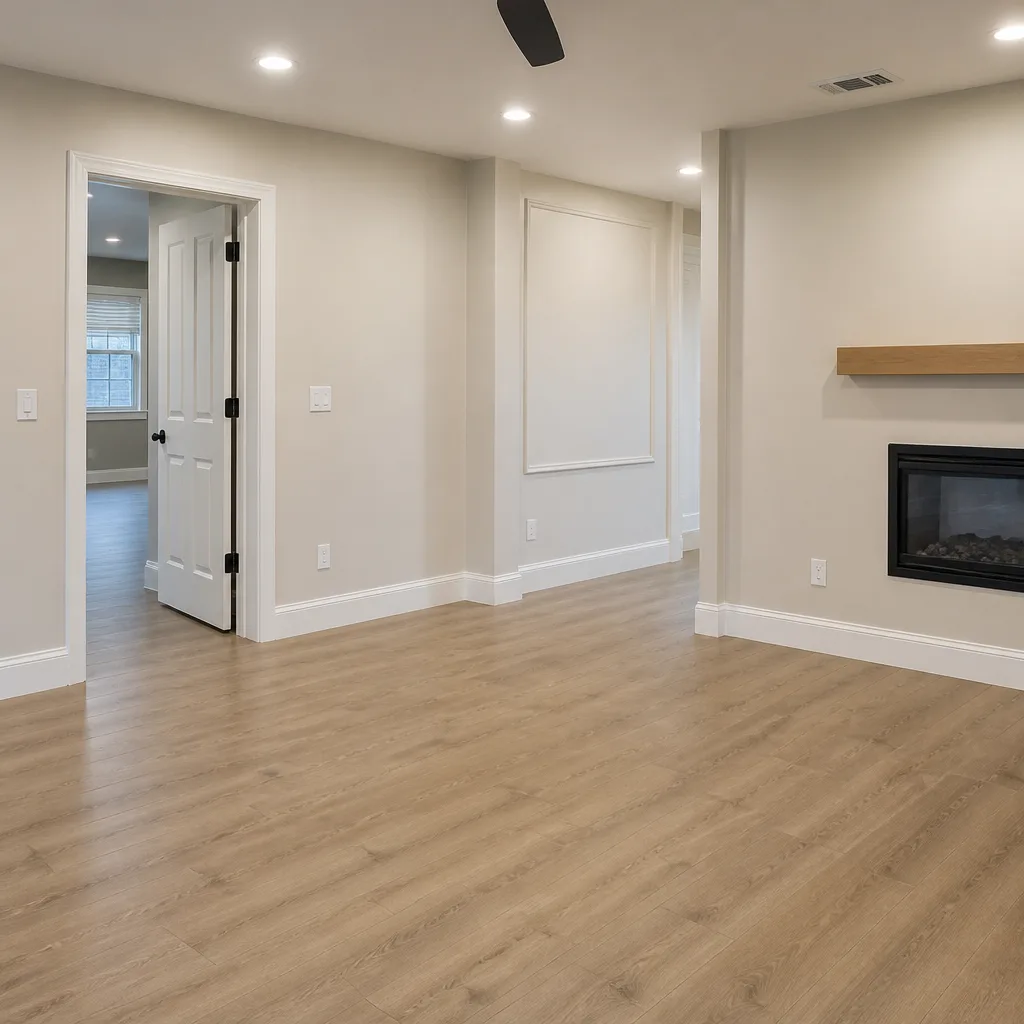 After
AfterDamage Restoration Warning Signs: A Los Angeles Homeowner’s Reference Guide
A brown ceiling stain the size of a dinner plate in a Los Angeles home with slab construction represents, on average, a leak that has been active for 11 to 18 days. Water has to travel laterally through concrete and insulation before it has anywhere to go up. By the time you see it, the damage below the surface is already underway. This guide teaches you to read the early signals specific to Los Angeles homes: stucco exteriors, slab foundations, and pre-1970s galvanized plumbing. You’ll learn what to look for, what it means, and when to pick up the phone. For more guides & resources, visit our blog.
Quick Answer
The earliest warning signs of water damage in a Los Angeles home are usually invisible from inside the living space: efflorescence on stucco, warm spots on slab floors, water that runs brown for a few seconds, and a musty smell that comes and goes. Any one of these signals means moisture is already moving through your home’s structure. Most residential water extractions run between $1,800 and $4,200 in Los Angeles before drying equipment is set, and catching a leak early can keep you on the low end of that range instead of facing a full remediation and rebuild.
Table of Contents
- Stucco Warning Signs Unique to Los Angeles Homes
- How Slab Foundations Hide Leak Signals Differently
- Galvanized Pipe Warning Signs in Pre-1970s Homes
- What Mold Looks Like Before It Looks Like Mold
- Using a $30 Moisture Meter to Confirm a Suspicion
- What Los Angeles Water Damage Restoration Actually Costs
- Common Mistakes to Avoid
- When to Call a Professional
- Frequently Asked Questions
Stucco Warning Signs Unique to Los Angeles Homes
Los Angeles is a stucco city. Drive through Silver Lake, Sherman Oaks, West Adams, or the Valley and you’ll see the same three-coat Portland cement finish on home after home. Stucco is a great exterior for our climate, but it hides water intrusion differently than siding or brick. Water doesn’t bead up and run off stucco the way it does on painted wood. It wicks in, spreads laterally, and sits against the building paper and framing behind it. Here’s what to look for.
Efflorescence patterns. This is the chalky white residue that appears on stucco surfaces. In small amounts on new construction, it’s often just salts from the cement curing. But on a home that’s been standing for years, new efflorescence means water is moving through the stucco and dissolving minerals on its way. Look for it in vertical streaks below window edges or along the bottom twelve inches of a wall. In Los Angeles, where morning marine layer moisture is common, efflorescence that appears and persists is a leak signal, not a weather pattern.
Hairline cracks at window corners. Cracks in stucco are normal to a point. Diagonal hairline cracks running from the corner of a window frame, however, usually mean the window flashing has failed and water is entering behind the stucco. You won’t see the water. You’ll see the stucco slowly separating from the substrate as the moisture expands and contracts with our temperature swings. A crack that grows by even a millimeter over a season is a sign of movement behind the wall.
Bubbling paint. If your stucco is painted and you see bubbles forming under the paint film, that’s trapped moisture vapor pushing outward. Paint blisters on stucco do not happen from sun exposure alone. They happen when the wall is wet on the inside. This is one of the most reliable early indicators of a leak in a stucco wall, and it’s one we see regularly on homes in the Hollywood Hills and Mulholland corridor where irrigation systems run along exterior walls.
If you notice any of these three conditions, the water has already been moving for weeks, not days. That’s not a reason to panic. It is a reason to get a professional look at the wall before the framing behind it begins to rot or grow mold, which is when repair costs climb quickly. See our DIY vs Professional Mold Remediation: What’s Safe to Do Yourself to understand when expert help matters most.
How Slab Foundations Hide Leak Signals Differently
Most homes built in Los Angeles after the 1950s sit on concrete slab foundations. A slab hides plumbing leaks in ways that a raised wood-frame floor never will. Under a raised floor, water drips into the crawlspace, and you can see it, smell it, or hear it. Under a slab, water moves through concrete, and concrete does three things: it absorbs, it redistributes, and it delays. That’s why a slab leak can run for weeks before you notice anything at all.
There are specific signals, though, and they’re detectable if you know what to pay attention to.
- Warm spots on tile or concrete floors. If you run a hot water line under a slab and that line springs a pin-hole leak, the heat transfers upward. You’ll feel warmth under your bare feet in an area that should be room temperature. In the winter, this is easier to spot.
- Sulfur smell from wet concrete. Water sitting inside a concrete slab slowly reacts with minerals in the concrete and begins to smell faintly of sulfur or wet earth. If a particular room or closet has a smell you can’t place, and it gets stronger when the HVAC system cycles, that’s a candidate.
- The sound of a pressurized slab leak. This one is specific and it’s real. If the leak is on the pressure side of your supply lines, water moves through the crack under pressure. You may hear a hissing or pulsing sound, usually at night when the house is quiet and the leak is competing with less ambient noise. Put your ear to the floor in a quiet room. If you can hear water moving under the slab with no fixtures running, you have a leak.
Slab leaks in Los Angeles are particularly common in neighborhoods built out in the 1950s and 1960s: the flats of Van Nuys, much of Lakewood, the older blocks of Westchester. Copper piping of that era is reaching the end of its reliable life, and our slightly alkaline water accelerates the wear. A slab leak is not a handyman job to patch. It requires leak detection, targeted access, and proper drying. Our team handles slab leak restoration with commercial extraction and drying equipment from XPOWER and Phoenix, the same gear used on large commercial losses, and we’ve seen how quickly a slab leak that’s ignored turns into a flooring replacement and a mold problem.
Galvanized Pipe Warning Signs in Pre-1970s Homes
If your Los Angeles home was built before 1970 and has never been re-plumbed, there is a good chance your supply lines are galvanized steel. Galvanized pipe corrodes from the inside out. The zinc coating wears thin, then the steel begins to rust, and eventually the interior diameter of the pipe shrinks until it’s carrying a fraction of the water it was designed for. Then it fails, sometimes with a catastrophic leak, sometimes with a slow weep behind a wall for months.
Here are the signals that your galvanized pipes are giving you before they fail completely:
- Water runs brown or orange for a few seconds after you open the tap. That’s rust sediment loosening from the pipe interior. If it only happens in one fixture, that fixture’s branch line is corroding. If it happens at every tap, the whole system is going.
- Pressure drops when two fixtures run at once. A shower that drops to a trickle when the washing machine fills is a classic sign of narrowed galvanized lines. The pipe is not leaking yet, but it’s structurally compromised and the jump from pressure drop to failure is usually a year or less.
- Sediment collecting in sink aerators. If you unscrew a faucet aerator and find small rust-colored flecks inside, that’s the pipe wall coming apart. This is an early warning sign that costs nothing to check.
In our experience serving Los Angeles homeowners since 2005, homes in the Echo Park, Highland Park, and El Sereno neighborhoods frequently present with galvanized failures because so much of that housing stock predates the 1970s. If your home has original galvanized plumbing and you’re seeing any of these signs, consider it a countdown, not a maintenance item. Re-plumbing is a significant job, but it’s cheaper than the restoration and rebuild after a burst pipe soaks your plaster walls and hardwood floors. The Water Damage Restoration in Los Angeles page covers what happens when the failure has already occurred and your focus shifts from prevention to extraction and drying.
What Mold Looks Like Before It Looks Like Mold
Mold remediation is what we do when a moisture problem has already matured into an indoor ecology problem. But mold gives you early signals, and reading them correctly can save you a full Mold Remediation in Los Angeles job down the line.
The musty odor threshold. Mold has a smell before it has a visible presence. The compounds that produce that musty, earthy odor are released by mold colonies that are still too small to see. If you walk into a room and notice a smell that reminds you of damp cardboard or a wet towel left in a gym bag, that’s the signal. It’s more noticeable when the AC kicks on because the moving air lifts the odor molecules from the wall cavities. Don’t mask it with air freshener. That is a data point telling you something is wet behind a surface.
The ‘tide line’ stain pattern. On baseboards and drywall, look for a horizontal stain that appears to have an upper limit, like a bathtub ring on a wall. This tide line marks the height that water reached inside the wall. Below the line, the drywall has been wet. Above it, dry. Even after the wall dries, the line remains. If you see one, water has intruded and the drywall behind that baseboard is a candidate for mold growth.
Grout discoloration before surface mold. In showers and around tub decks, watch for grout lines that darken in a patch and won’t clean up with bleach or grout cleaner. That darkening happens because moisture is sitting inside the grout, feeding a colony that hasn’t yet produced surface growth. The same goes for caulk that turns a different color where it meets a wall. This is subsurface moisture expressing itself at the surface. It is the warm-up act for mold you can see.
Mold needs three things: moisture, food, and time. Our Los Angeles climate provides the time, your drywall provides the food, and a persistent leak provides the moisture. Remove the moisture early and you remove the mold before it ever gets going. That’s why we say the cheapest mold job is the one that’s still just a water leak.
Using a $30 Moisture Meter to Confirm a Suspicion
A consumer-grade moisture meter is a smart purchase for any Los Angeles homeowner. You can buy one for about thirty dollars at a hardware store or online. It won’t replace professional psychrometric readings (measuring the moisture in the air and materials to determine drying progress), but it will tell you whether your suspicion deserves a phone call.
Here’s how to use one correctly:
- Take a baseline reading in a dry area. Press the meter’s pins against a wall or floor you know is dry, in the same room as the area you’re inspecting. Note the number. Most consumer meters read on a relative scale from about 5% to 40%. A dry Los Angeles interior wall typically reads between 5% and 8%.
- Test the suspect area. Press the meter into the wall, baseboard, or floor near where you see a stain, smell an odor, or feel warmth. Push the pins firmly in but don’t force them. You’re reading the material surface, not the air.
- Compare the numbers. A reading that’s 3 to 5 percentage points higher than your baseline is moisture intrusion. A reading above 20% on drywall or wood means the material is saturated and you have an active leak somewhere.
- Trace the edges. Move the meter outward from the suspect spot in all directions to map how far the moisture has traveled. If the moisture area is larger than about a square foot, call a professional. This is beyond a patch job.
One honest warning: consumer moisture meters have limits. They read surface moisture, not deep substrate moisture, and they can give false readings on metal studs or if the pins hit a nail. They are a confirmation tool, not a diagnostic instrument. In our professional work, we use pinless meters and thermo-hygrometers from Dri-Eaz and B-Air that measure moisture in the wall cavity itself, not just at the surface. What your $30 meter should do is answer one question: is it worth calling someone? If the numbers say yes, it is.
What Los Angeles Water Damage Restoration Actually Costs
Real numbers help. Here’s what homeowners in the Los Angeles market are typically looking at for common water damage restoration scenarios. These are ranges, not quotes. Your specific job depends on the size of the affected area, the category of water, and how long it’s been sitting.
| Scenario | Typical Los Angeles Range |
|---|---|
| Small extraction (toilet overflow, supply line leak caught within 24 hours) | $1,800 – $3,500 |
| Medium extraction with drying equipment (laundry overflow, water heater leak) | $3,000 – $5,500 |
| Large extraction with containment (burst pipe, multi-room flooding) | $5,000 – $9,000+ |
| Mold remediation (containment, removal, HEPA cleanup) | $2,500 – $8,500 depending on square footage |
| Slab leak restoration (detection, access, repair, drying) | $4,000 – $12,000 depending on access and finishes |
These numbers reflect what we see in the field across Los Angeles County from the Westside to the San Gabriel Valley. The single biggest cost driver is time. Water that sits for three days before anyone addresses it usually triples the remediation cost compared to water that’s extracted within hours. That’s why we answer every call with a live person, 24/7, and why we get equipment deployed quickly. Every job with Marsh Water Damage Restoration gets a written price before any work begins. Not an estimate that changes after demo starts. A written number that does not move unless the scope of work changes and you approve it first.
Common Mistakes to Avoid
- Painting over a water stain without addressing the source. In Los Angeles homes, a ceiling stain under a bathroom or kitchen almost always means a pipe or fixture is leaking inside the ceiling cavity. Painting traps moisture and feeds mold growth. The stain returns, and the repair bill is bigger the second time.
- Ignoring a small musty smell. The odor is the earliest mold signal available to you. Ignoring it for six months usually means the difference between a $2,000 remediation and an $8,000 one.
- Assuming stucco cracks are cosmetic. In most cases, hairline stucco cracks are cosmetic. At window corners, they are frequently not. If the crack is diagonal and runs from a window corner toward the nearest edge of the wall, treat it as a moisture entry point.
- Running fans on standing water without extraction. A consumer fan moves air across a wet surface but does not remove water from the floor. The water evaporates into your home’s air, increasing indoor humidity and spreading moisture into drywall and furnishings. Professional extraction removes the water first, then drying equipment handles the residual.
- Relying on a home inspector’s brief note. A home inspector’s report that says “evidence of prior water intrusion, monitor” is not clearance. It’s a flag. If you’re buying or selling, get a targeted evaluation before the transaction closes.
- Waiting for insurance approval before stopping active water. Los Angeles homeowners sometimes delay mitigation waiting for their adjuster. You don’t need permission to stop active water damage. Most policies actually require you to mitigate promptly. Document everything for your claim, then act. Every Marsh job includes photo documentation that can go directly to your adjuster.
When to Call a Professional
Call a professional when you have any of these conditions: a moisture meter reading above 20% in a wall or floor, a visible tide line on baseboards, water appearing in more than one room, a musty odor that persists after ventilation, or any leak you cannot see the source of. Slab leaks and in-wall pipe failures are not DIY problems, and waiting only increases the damage. Marsh Water Damage Restoration offers free estimates in Los Angeles, with a live person answering every call around the clock. Call (910) 613-6568 and we’ll tell you what you’re dealing with, in plain English, before you commit to anything.
Frequently Asked Questions
Use a moisture meter. If the reading is above 8% on a Los Angeles interior wall in dry weather, the leak is active or the wall hasn’t dried properly. If the stain and the meter both read dry, the leak may be old and sealed, but you should still confirm there’s no mold behind the surface.
Yes, and it’s one of the most common restoration jobs we handle in Los Angeles. Water from a toilet overflow seeps under baseboards, into wall cavities, and through the floor to whatever is below. If the water sits for more than 24 hours, you can expect mold to begin establishing in the damp materials. Extract promptly and dry properly, and the damage is usually contained.
In most cases, sudden and accidental water damage is covered. That includes burst pipes, water heater failures, and appliance leaks. Gradual damage from a slow leak or lack of maintenance is often excluded. Marsh Water Damage Restoration works directly with insurance adjusters, and we provide photo documentation of all damage to support your claim. Your adjuster will need evidence, and we produce it in the format they expect.
The Threshold Standard is Marsh Water Damage Restoration’s technician verification protocol. Every technician is background-checked, identity-verified, and introduced to you by name and photo before the visit. They show a photo ID badge at your door, every time. We built this because we know Los Angeles homeowners, especially those home alone or with young children, carry a real anxiety about who’s walking into their home. You’ll know exactly who is coming before the knock.
Most residential drying jobs in Los Angeles take three to five days once the equipment is set. Our climate actually helps here: our low average humidity means drying happens faster than in places like Houston or Miami. We use professional drying equipment from Dri-Eaz, Phoenix, and B-Air, with psychrometric readings taken daily until the structure is genuinely dry, not just dry at the surface.
That smell pattern usually means mold or wet insulation is present inside your ductwork or in a wall cavity near the air handler. When the AC runs, it pulls air across the wet area and distributes the odor. If you notice the smell only during AC operation, it’s worth a professional look at the ductwork and the area around the HVAC unit.
The Bottom Line
Most water damage in Los Angeles homes is visible long before it’s obvious, if you know how to read the signals. Efflorescence on stucco, warm spots on slab floors, brown water from galvanized pipes, and musty smells that come and go are all early warnings. A thirty-dollar moisture meter can confirm a suspicion in five minutes. What it can’t do is tell you how far the moisture has traveled or what’s growing inside your walls. That’s where professional restoration enters the picture. Catching damage early keeps you on the low end of the cost range and keeps a small problem from becoming a rebuild. If any of the signs in this guide sound familiar, call (910) 613-6568 for a free estimate from Marsh Water Damage Restoration home service in Los Angeles. We’ll tell you what’s happening, in plain English, before you spend a dollar.
Written by Tobias Reyner, Owner at Marsh Water Damage Restoration, serving Los Angeles since 2005.