

Free visual inspection and a written scope of work before any mitigation begins - photos, moisture readings, and drying logs go in your claim file
The scope we write is the scope we bill. Anything new gets shown to you, in writing, before we touch it.
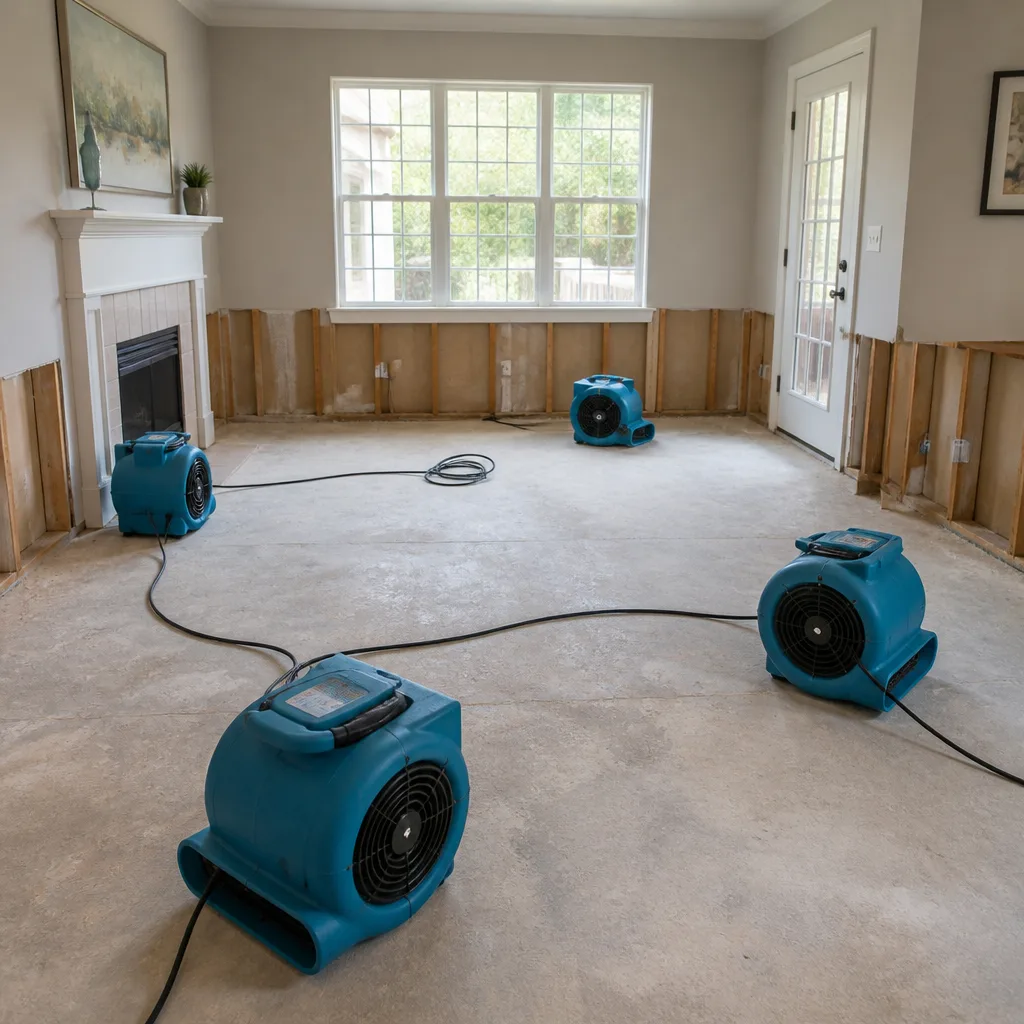
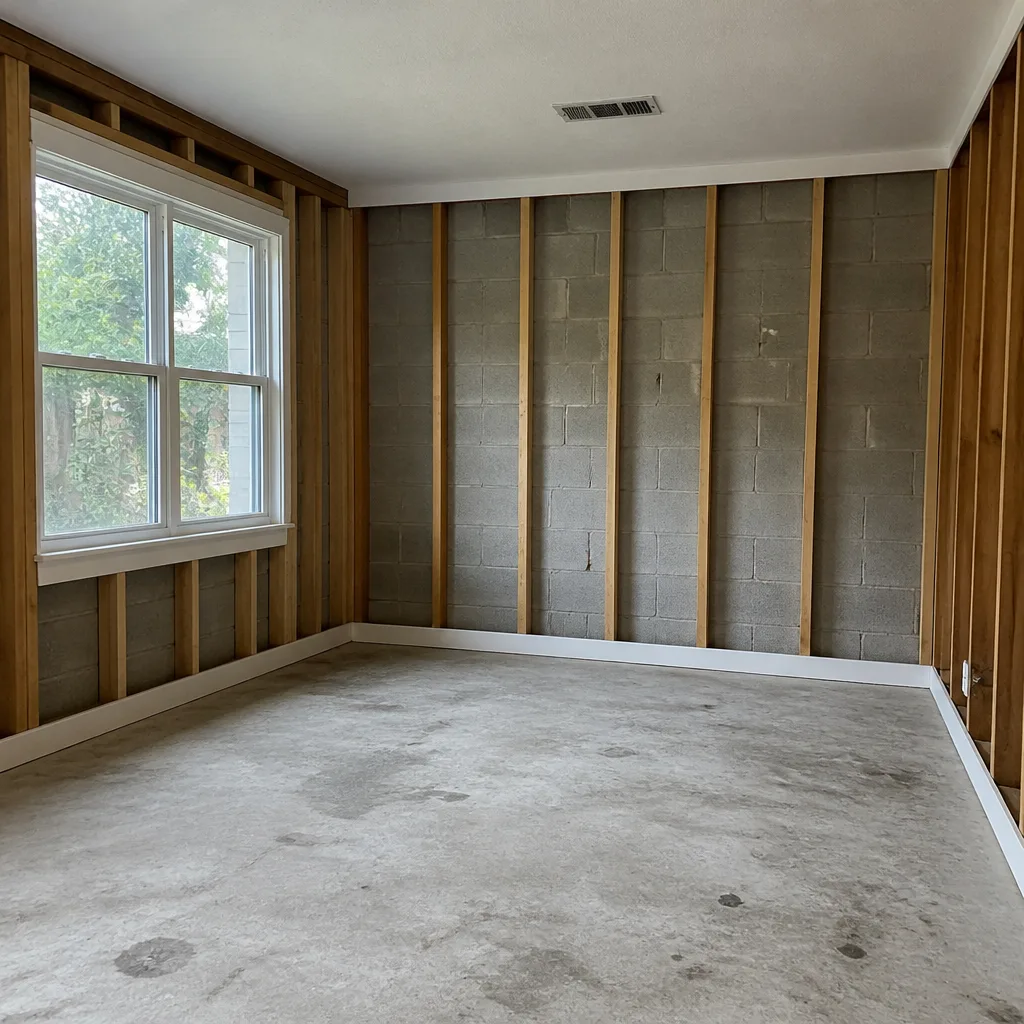

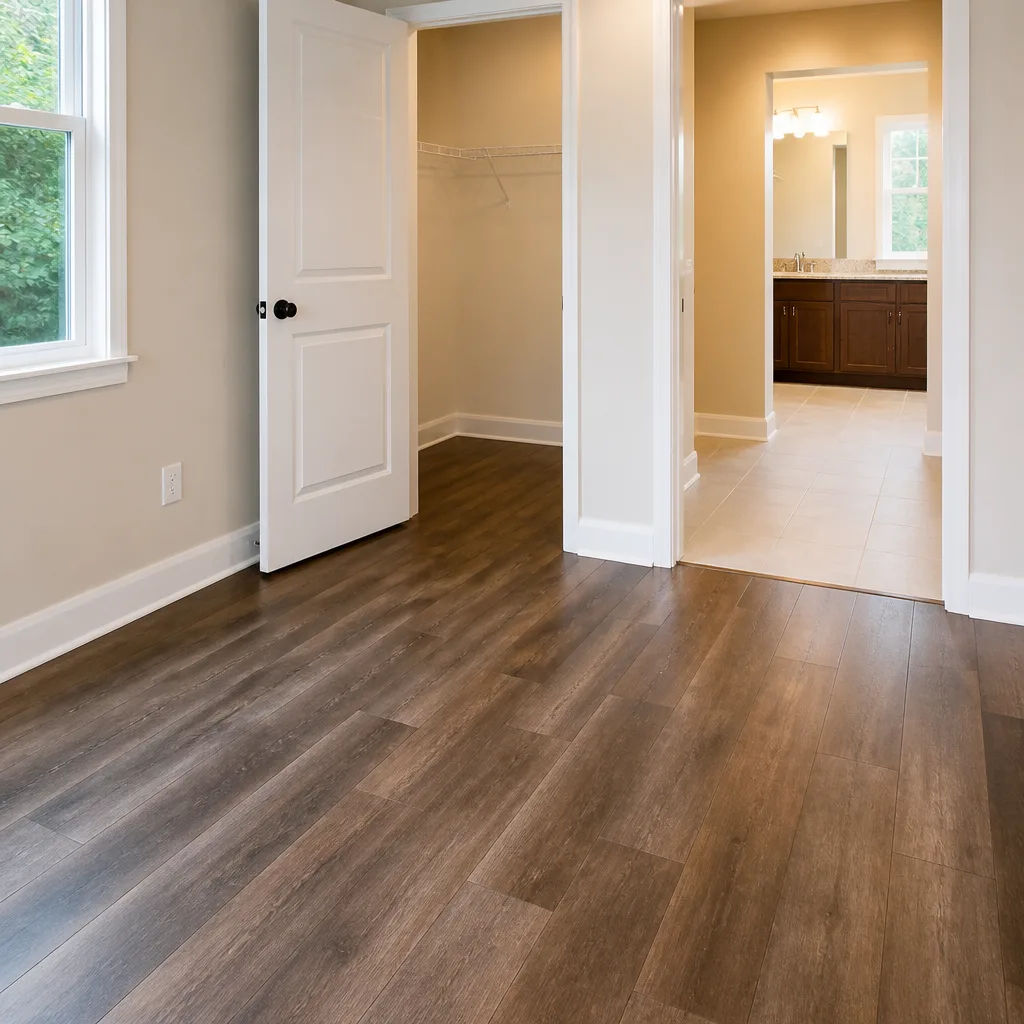
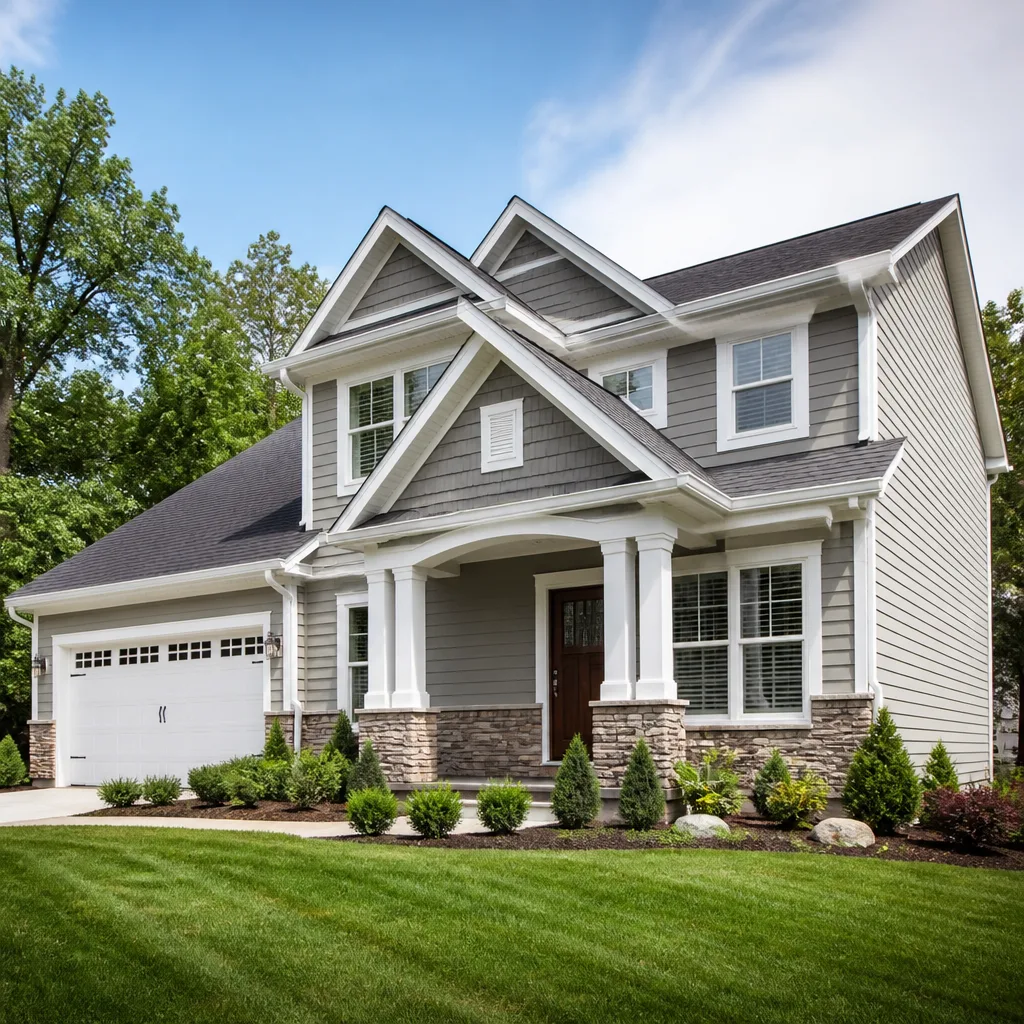
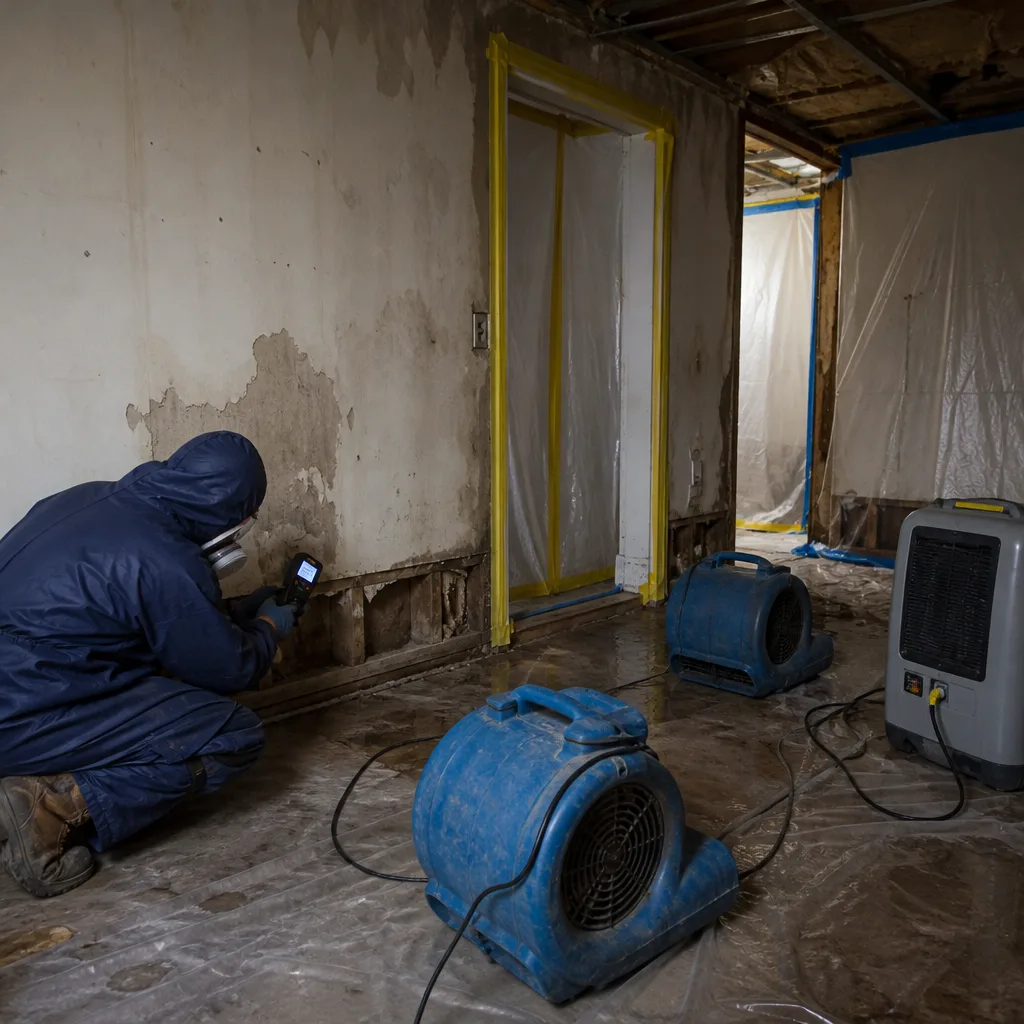 Before
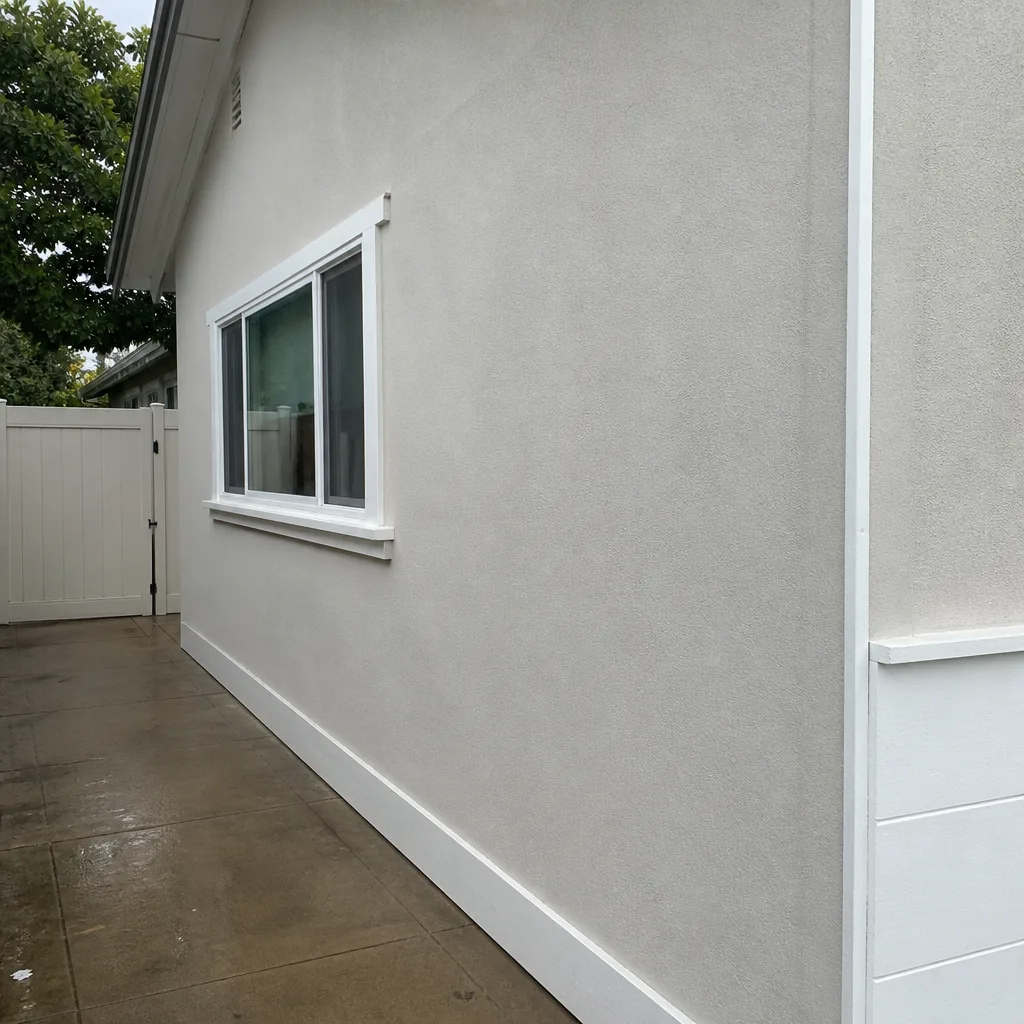 After
After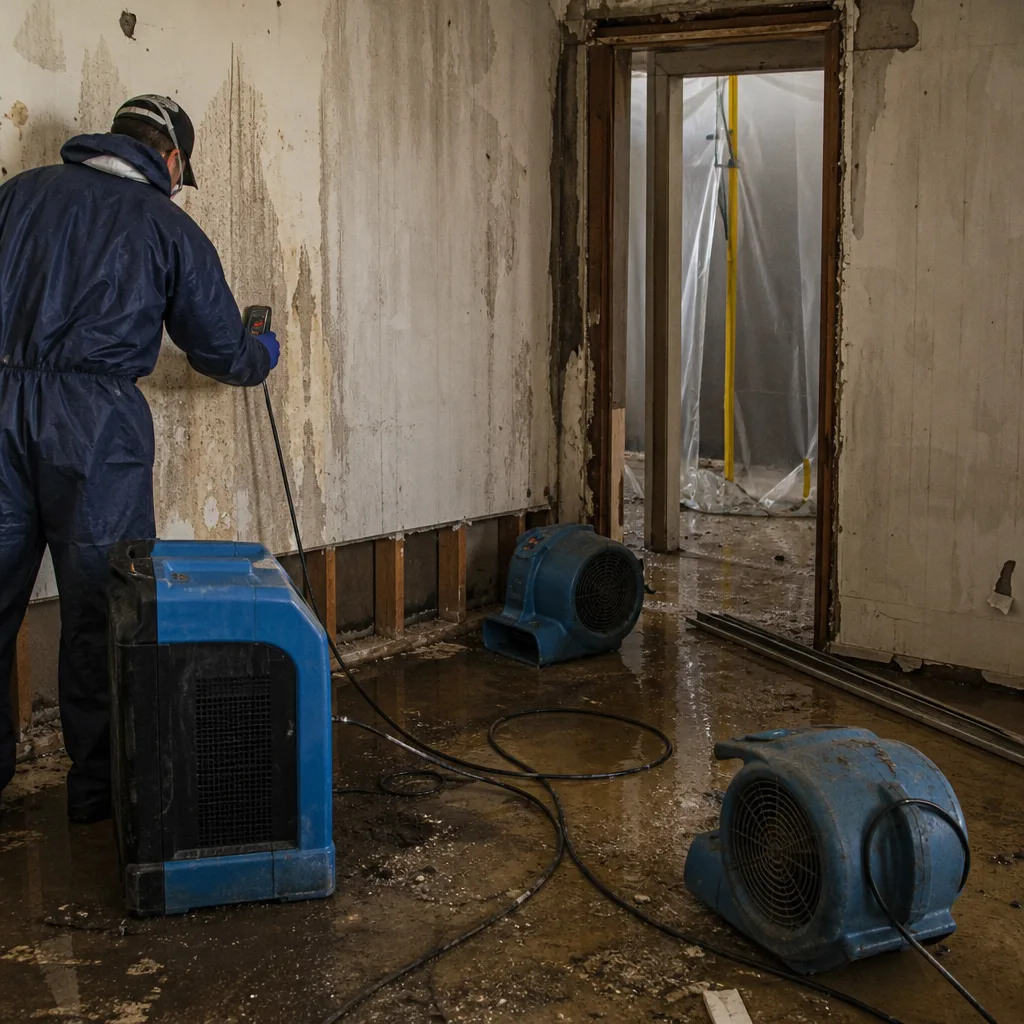 Before
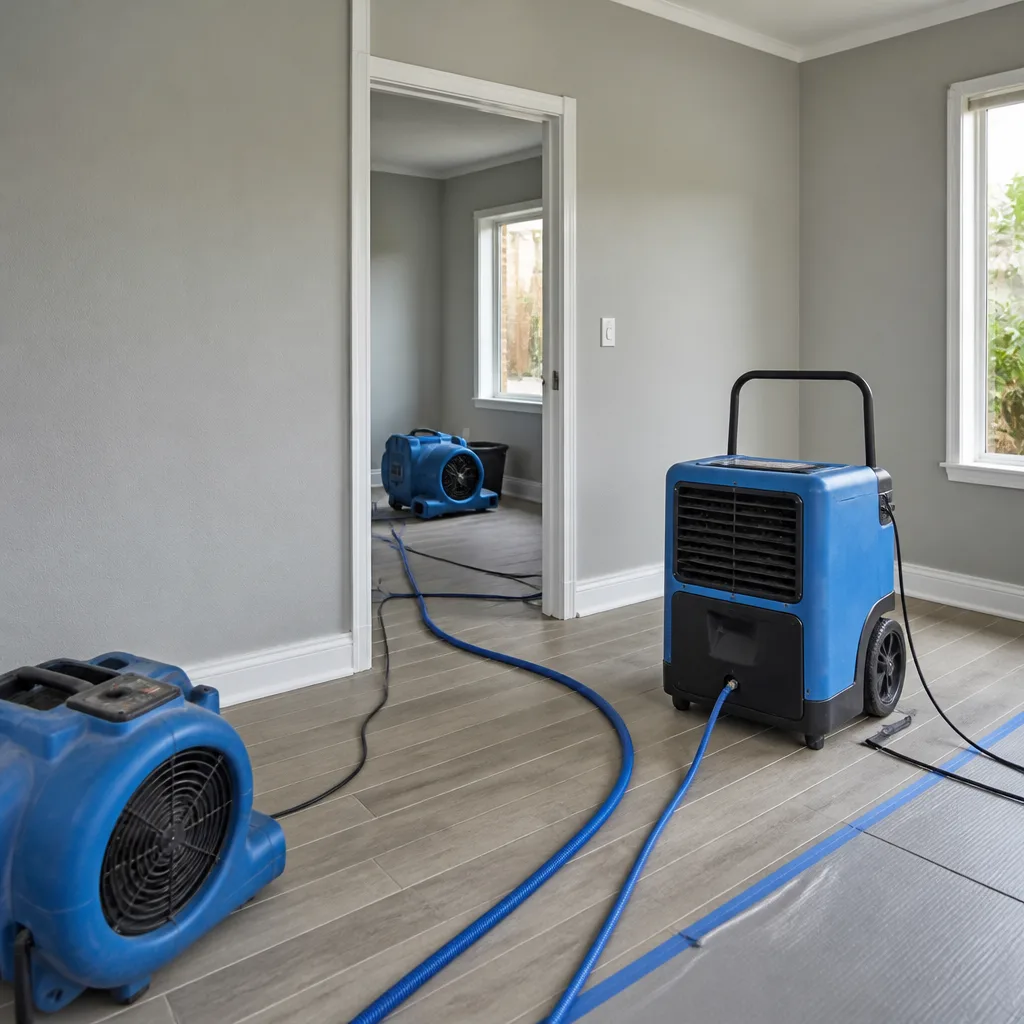 After
After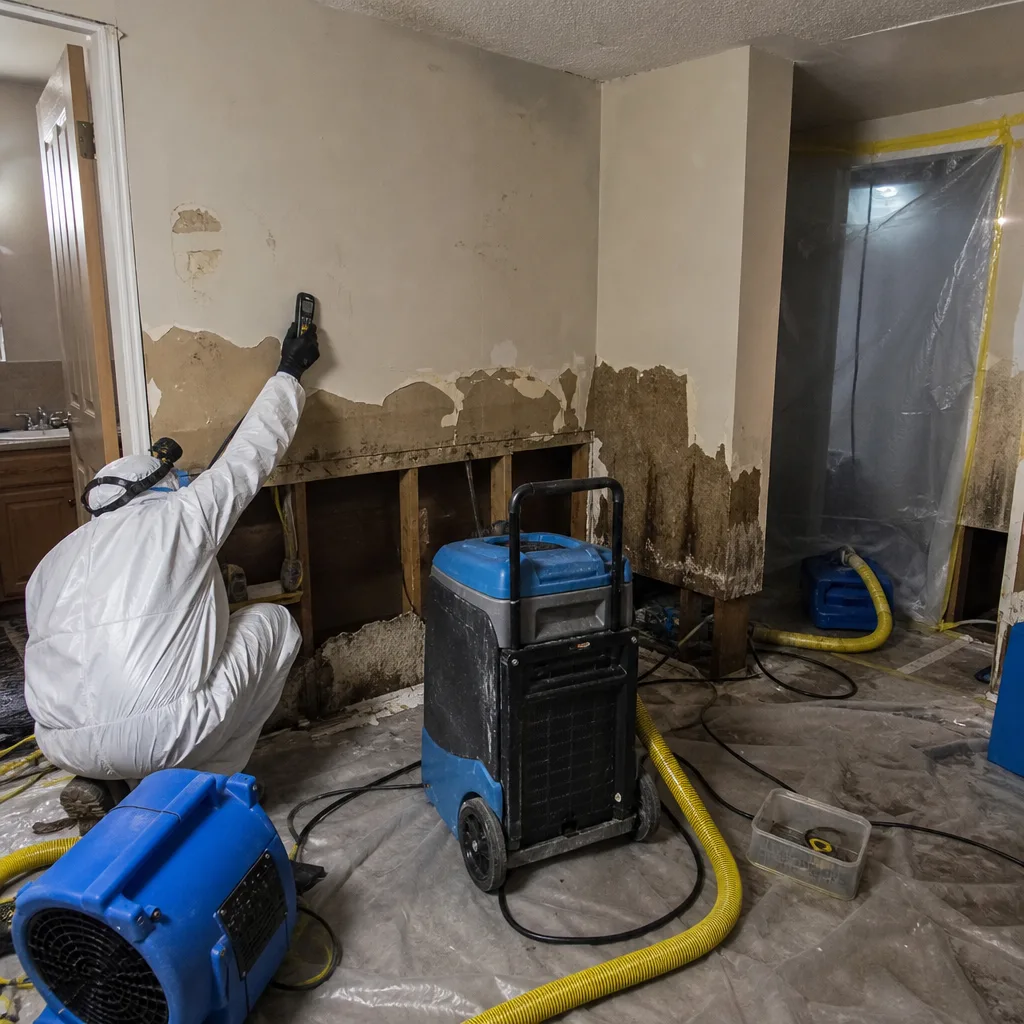 Before
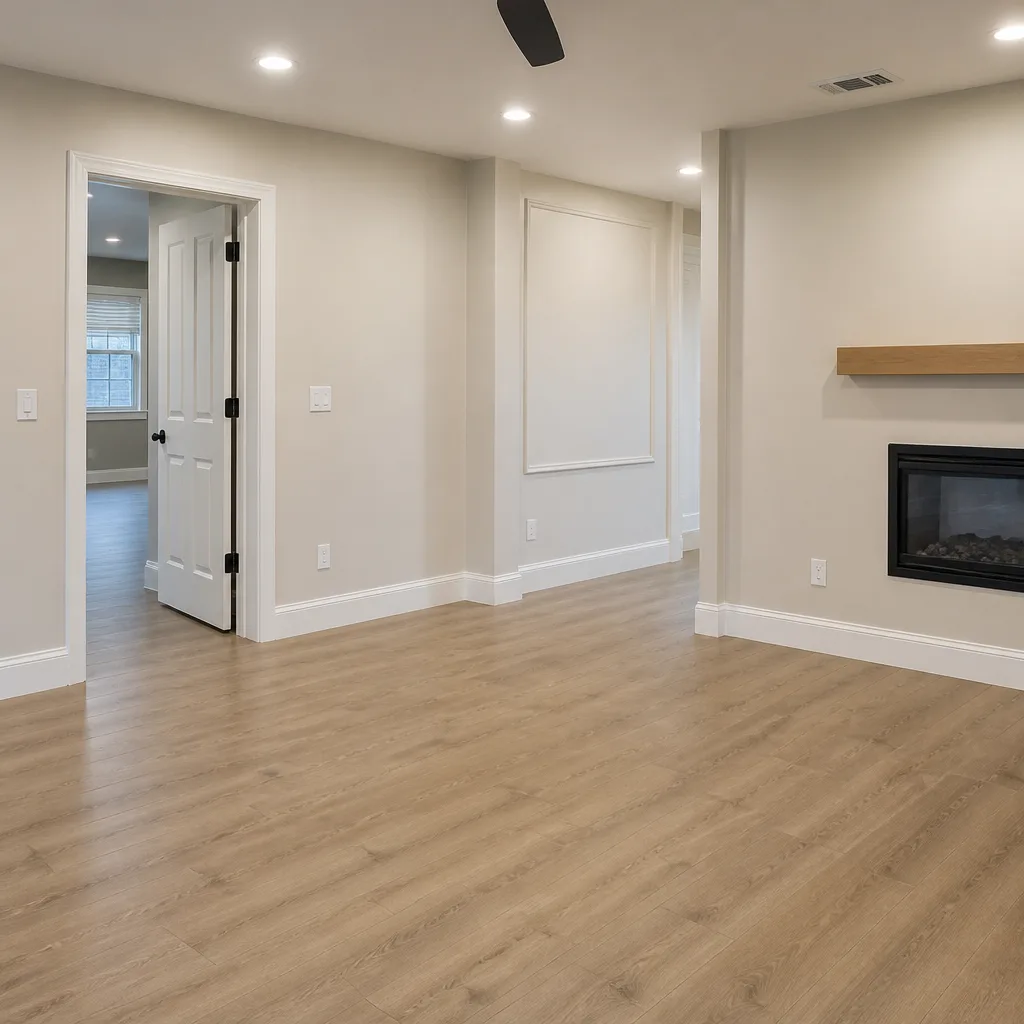 After
AfterFast, Reliable Mold Remediation Across Russell Gardens
Mold remediation in Russell Gardens typically runs between $1,800 and $6,500 for a contained, fully documented job, though estate-scale homes with vermiculite, asbestos pipe wrap, and plaster-and-lath assemblies skew higher. Most jobs on Great Neck peninsula properties take 3 to 7 days from first assessment to final clearance testing. If you’ve found staining on a plaster wall, a musty smell in a basement, or a slow leak behind a powder room in Russell Gardens, call (910) 613-6568. Tobias Reyner and our restoration team know exactly what’s behind these walls before making the first cut, because we’ve been inside enough Russell Gardens homes to know what older construction hides.
Why Marsh Water Damage Restoration Is Russell Gardens’s Preferred Mold Remediation Company
We’ve been called into Russell Gardens homes where another remediation company already “finished” the job. What they did was dry the surface and replace what was visible. What they missed was the lath cavity behind the plaster, or the vermiculite insulation above the wet chase, or the freeze-thaw intrusion that had been trickling behind slate roofing since the last nor’easter. Our crews spend their first hour in a Russell Gardens job building the full picture, not racing to set up a negative air machine. The equipment matters, but the diagnostic work before it matters more.
Every Marsh technician who steps onto a Russell Gardens property is Threshold Verified. That means background-checked, identity-verified, and sent to you with a name and photo before the van shows up. When our tech arrives at your door, they present a photo ID badge. Not a clip-on nametag written in sharpie. A printed, verifiable identification. Tobias Reyner runs our Russell Gardens dispatch with one rule: nobody enters a home without being introduced to the homeowner first, by name, before the visit.
Professional Mold Removal in Russell Gardens
Professional Mold Removal in Russell Gardens means pulling the affected material back to the point where the mold actually stops, not where the stain ends. That’s a different line in a 1929 Tudor than it is in a 1995 Colonial reproduction. We build containment with the right air pressure differential, run HEPA filtration from Dri-Eaz, and dry the structure according to moisture readings taken inside the wall assembly, not on the painted surface. A homeowner can’t do that with a drywall knife and bleach, and a franchise crew that doesn’t know horsehair plaster will get it wrong.
What We Actually Do During a Removal
We map moisture first. A Delmhorst or equivalent meter goes into the wall, floor, and ceiling cavity where the visible mold lives, along with the adjacent bays. Plaster and lath hold water differently than drywall: the surface may read dry while the cavity stays above 20% moisture content for weeks. That’s the blueprint for the containment area, not just by visual judgment.
Then we contain and treat. HEPA-negative air scrubbing runs during the entire job while we remove affected material. For horsehair plaster, we often cut only the wet section, treat the remaining assembly with antimicrobial, and dry it in place. For original wide-plank oak flooring, we dry it in place when possible, because the alternative, tearing out 1920s flooring, destroys something that cannot be replaced. On top of that, if we open a wall and find asbestos pipe wrap or vermiculite, containment gets re-scoped to abatement standards, and a licensed abatement subcontractor is brought in. That’s not a delay tactic. That’s how Nassau County enforces it. It’s mandatory.
When to Remove Versus When to Treat
Small, surface-level mold on non-porous material, like a concrete floor or a tile surface, may be treatable without demolition. But Russell Gardens homes are full of porous material: plaster, oak, lath, pine ceiling boards, cedar beams. In those materials, mold colonizes below the surface. If the staining covers more than about 10 square feet, or if the source was a slow leak that ran for weeks, removal of the affected layer is almost always the right call. We’ll tell you straight. Sometimes it’s a smaller job than you fear. Sometimes it isn’t. Either way, you get a written scope before any work starts, with a price printed on it.
Typical Mold Remediation removal on a single plaster wall with containment and drying runs $2,200 to $3,800 in Russell Gardens. A full basement mold job behind wood paneling, with vermiculite abatement coordination, often lands between $8,000 and $15,000. Those numbers include post-remediation verification by an independent hygienist when the scope calls for it, not because we want to add a line item, but because a clearance test done by the company that did the work is less meaningful to a homeowner or an insurer than one done at arm’s length.
Mold Inspection in Russell Gardens
Mold Inspection in Russell Gardens is not a quick air sample and a printed lab receipt. It’s a physical investigation of the house: plumbing chases, window returns, behind radiator convector covers, joist bays, crawl spaces, attic sheathing, and the plaster assemblies that hide moisture until the paint bubbles. Because the housing stock is pre-1950, the inspection has to account for what’s inside the walls too. Our inspectors are trained to spot the indicators: efflorescence on the foundation, a faint ammonia smell from past termite treatments, rusted pipe straps behind old radiators, buckling under window sills, elevated humidity in a closet that shares a wall with a bathroom supply line.
Inspection With a Plaster-and-Lath Mindset
We look for moisture in the cavity, not just on the surface. In a Russell Gardens plaster wall, water can sit between the plaster and the lath for weeks. A thermal camera will often show a temperature shadow before a moisture meter reads saturated. We map those shadows, mark the bays, and then confirm with invasive prongs. You get a written report with photos, a moisture map of the affected areas, and an honest scope. The inspection runs $350 to $600 for a single suspect area, and $800 to $1,600 for a full-house mold and moisture survey on a large estate home.
When You Need One Before You Call Your Insurer
If your ceiling is dripping, your insurer will ask for a cause-and-origin statement before they cut a check. Our inspection documents the source, the extent, and the condition of the surrounding material. That’s the paper trail that separates “water damage claim” from “slow leak denial.” It’s not legal advice. It’s evidence with photographs, moisture logs, and a written explanation a licensed adjuster can read and use. Homeowners in Russell Gardens often call us before filing the claim because the first question from the carrier is usually “was it sudden and accidental or gradual?” Our inspection answers that with measurements, not guesses.
Trusted Brands We Service in Russell Gardens
Our Russell Gardens crews work with Dri-Eaz dehumidifiers, Phoenix air movers, and XPOWER air scrubbers on nearly every mold remediation site. We stock HEPA filters and replacement panels for these machines, plus sampling cassettes, drying chambers, and moisture meters used for older wood and plaster assemblies. If you have a crawl space that stays damp every spring, we’ll set up a drying plan around the existing equipment already in the house, using the brands that certified labs recognize. We don’t bring rental-store machines. We bring commercial drying systems. That difference matters when you’re pulling 40 gallons a day out of a plaster-and-lath wall cavity.
Common Mold Remediation Problems We See in Russell Gardens Homes
- Hidden mold behind horsehair plaster. The painted surface looks fine until you press on it and feel give. Behind it, the lath is black. In these homes, you can’t diagnose from outside the wall. You have to open a core sample hole, scope the cavity, and map the moisture. Most “re-blooms” we clean up are really the same bloom, never removed from the lath cavity the first time.
- Vermiculite and asbestos wrap turning a mold job into an abatement job. We’ll open a wet wall and find vermiculite insulation above the top plate. Now the work falls under EPA guidance and Nassau County protocol. The mold is still removed. But the containment gets upgraded, the bags get labeled differently, and a licensed abatement subcontractor is brought in by coordination, never by the homeowner trying to call around at 9 p.m.
- Slate roof or clay tile flashings leaking during nor’easters. Water gets behind the roof sheathing, drips into the attic, and then travels down the interior of the wall. The mold shows on the second-floor ceiling, not the roof deck. If the roof flashing isn’t addressed as part of the remediation, the same water returns in the next storm. We report the intrusion source as part of the scope.
- Galvanized supply pipes fitting new valves over old threads. The pipe could be 80 years old. The fitting is new. The connection weeps, very slowly, for years. Then one day the plaster key fails and a section of the ceiling comes down. The mold behind it has had weeks to grow before the water ever becomes visible. This is the most common origin story we document in Russell Gardens basements and powder rooms.
Pricing for Mold Remediation in Russell Gardens, NY
Mold inspection in Russell Gardens runs about $350 to $600 for a single-area assessment and $800 to $1,600 for a full-house survey on a large pre-war estate. A contained single-wall plaster remediation starts around $2,200 and climbs to $3,800. A full basement behind original wood paneling, with HEPA containment and coordinated vermiculite or asbestos abatement, commonly lands between $8,000 and $15,000 in Russell Gardens. The numbers change if we find a roof leak above the mold, if the crawl space needs encapsulation, or if the scope shifts into abatement. That’s why we write the scope after the moisture mapping, not before. Estimates won’t balloon mid-job because the price is fixed before cutting starts. Call (910) 613-6568 for a free written estimate on your specific house.
We Also Serve Cities Near Russell Gardens
If your home is across the Queens line or in a neighboring borough, we’re prepared. Marsh Water Damage Restoration serves Russell Gardens and the communities around it, including Brooklyn, Queens, Manhattan, and The Bronx. The housing stock changes, but the same Threshold Verified protocols and Dri-Eaz drying approach moves with us.
Serving Russell Gardens, NY - Our Local Coverage Area
We’re based in the Russell Gardens area and know this community well. Use the map below to see our service coverage - if you’re nearby, we can almost certainly help.
FAQs About Mold Remediation in Russell Gardens
Mold comes back in Russell Gardens when a company dries the plaster surface but never removes the water from the lath cavity behind it. In pre-war construction, the cavity is highly porous. A drywall-focused franchise or a local handyman will dry the front, wipe the stain, and close the wall. Within three weeks, humidity from the still-wet lath pushes the mold back through the new finish. The fix: a moisture map before demolition, staged drying with Dri-Eaz equipment, and verification readings before the wall is closed. If you’ve already had a failed remediation, call (910) 613-6568. We’ve re-remediated enough Russell Gardens walls to know exactly what was missed.
No, not every job. But many do. If we open a wall and find vermiculite insulation or asbestos-wrapped supply piping, the remediation shifts into regulated abatement territory. That means containment upgrades, licensed subcontractor coordination, and a revised scope and price. If the home is pre-1978 and painted surfaces will be disturbed, EPA’s lead renovation rules apply. The trigger isn’t the mold. It’s the material around the mold. In Russell Gardens, where 1920s and 1930s construction dominates, expect it on roughly half of structural mold jobs we see.
On plaster and lath, mold begins within 24 to 48 hours of sustained wetting, but the humidity trapped in the cavity can keep it alive for weeks before you see it on the surface. On original hardwood, staining shows in days; mold can colonize below the finish in the same window. In Russell Gardens homes with radiators and slow weeping pipe joints, the mold often has a two-week head start before any visible water appears. The speed of call matters less than the temperature and the substrate. Cold, wet plaster in a closed winter house grows mold slower but for longer. A humid, warm wall in July goes dark fast.
Yes, often. Original 1920s quartersawn oak and horsehair plaster can frequently be dried in place, treated with antimicrobial, and refinished if we catch the water before rot sets in. The key is getting the cavity dry and the moisture level down fast. We don’t rip out wide-plank flooring to find the wet subfloor; we core a small access hole, dry the assembly, and monitor with probes. Plaster stays when the keys are intact and the lath is sound. Replacement materials change the character of an estate home, and we treat preservation as the default, not an add-on.
You should expect the inspector to moisture-map the wall, floor, and ceiling assemblies, take thermal readings, probe any suspect areas, open small core samples when needed, and leave you with a written report, photos, and a moisture log. A legitimate inspection in Russell Gardens includes checking plumbing chases, joist bays, crawl spaces, and ventilation. It runs $350 to $600 for a single area and $800 to $1,600 for a whole-house survey on a large estate house. If the inspector doesn’t put a moisture meter into the structure and doesn’t give you a written report with numbers, call someone else. Then call Tobias Reyner at (910) 613-6568.
Written by Tobias Reyner, Owner at Marsh Water Damage Restoration, coordinating mold remediation in Russell Gardens with the Threshold Verified standard on every job.