
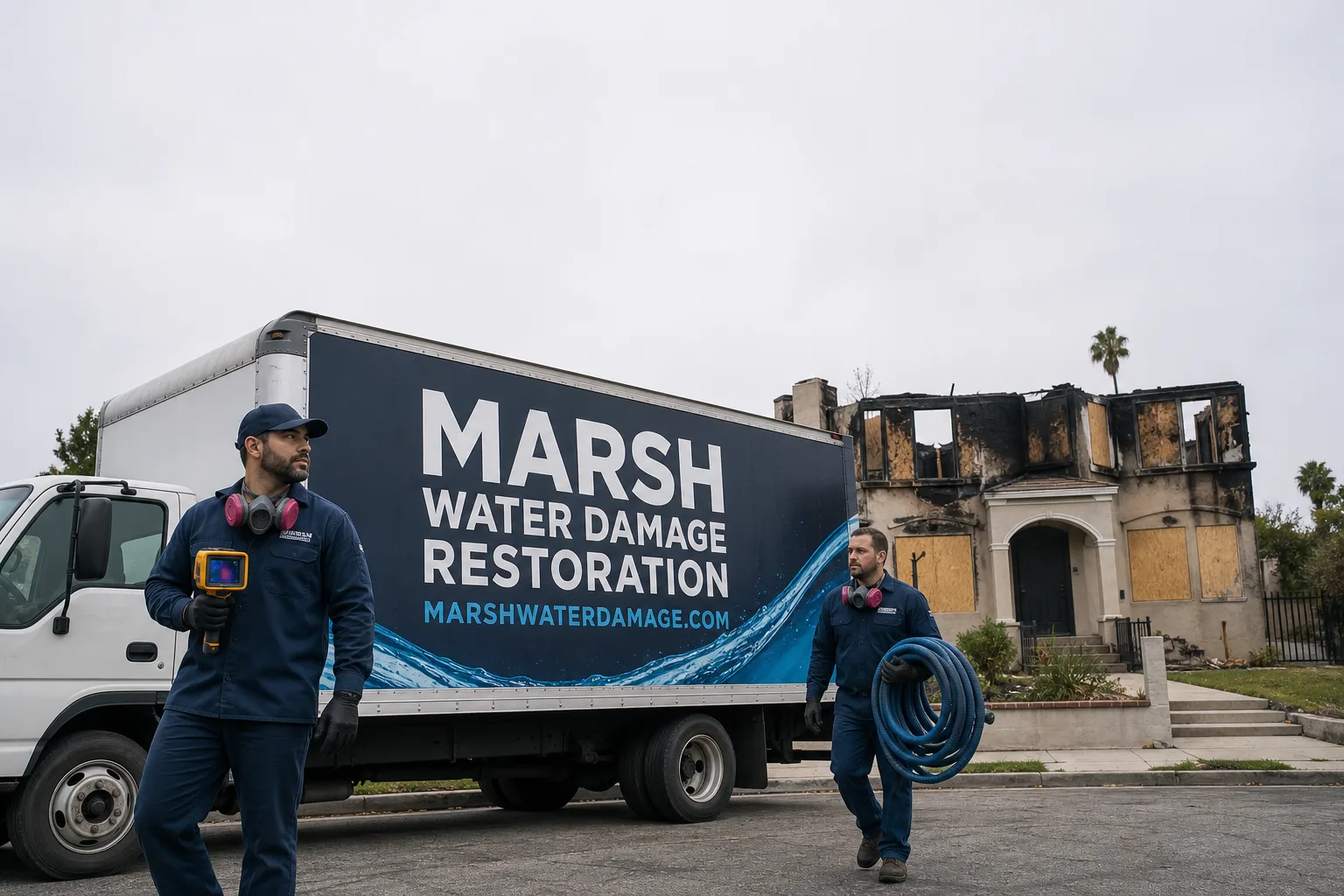
Free visual inspection and a written scope of work before any mitigation begins - photos, moisture readings, and drying logs go in your claim file
The scope we write is the scope we bill. Anything new gets shown to you, in writing, before we touch it.
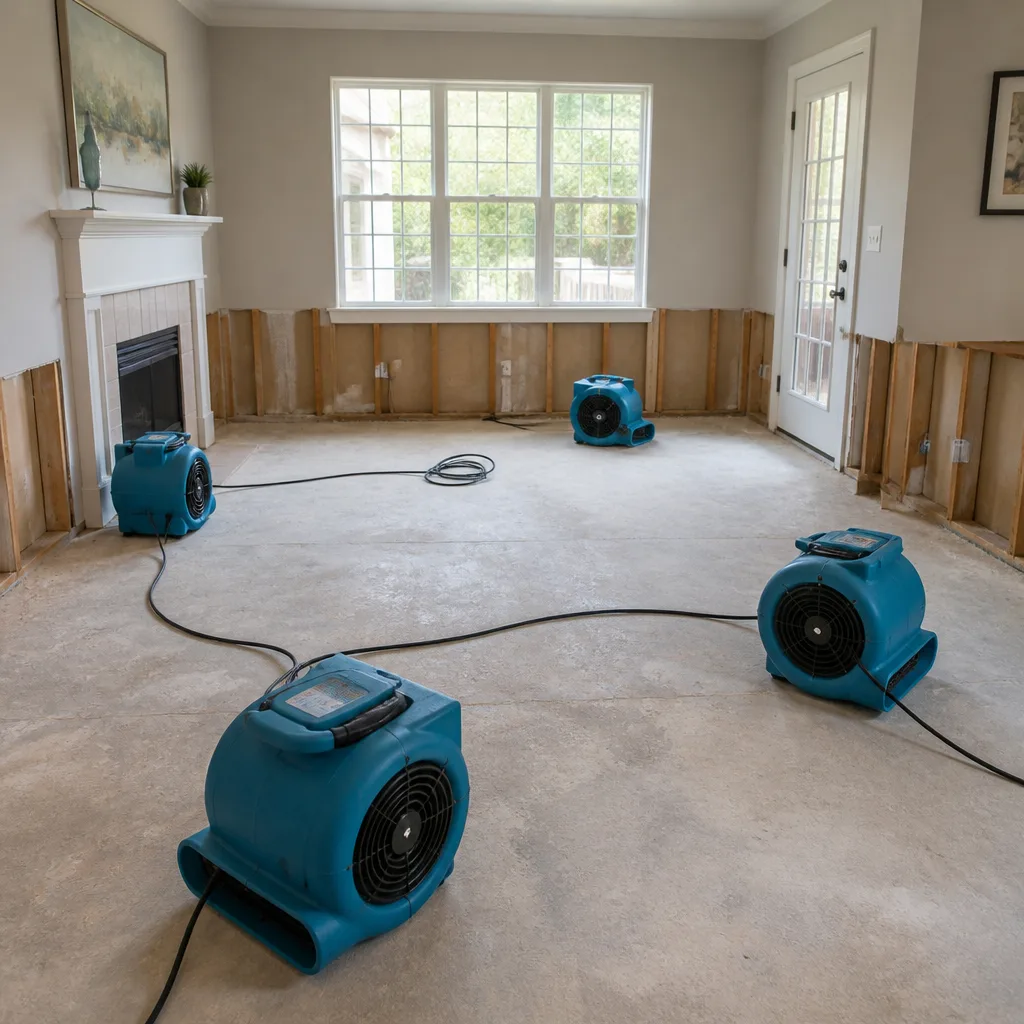
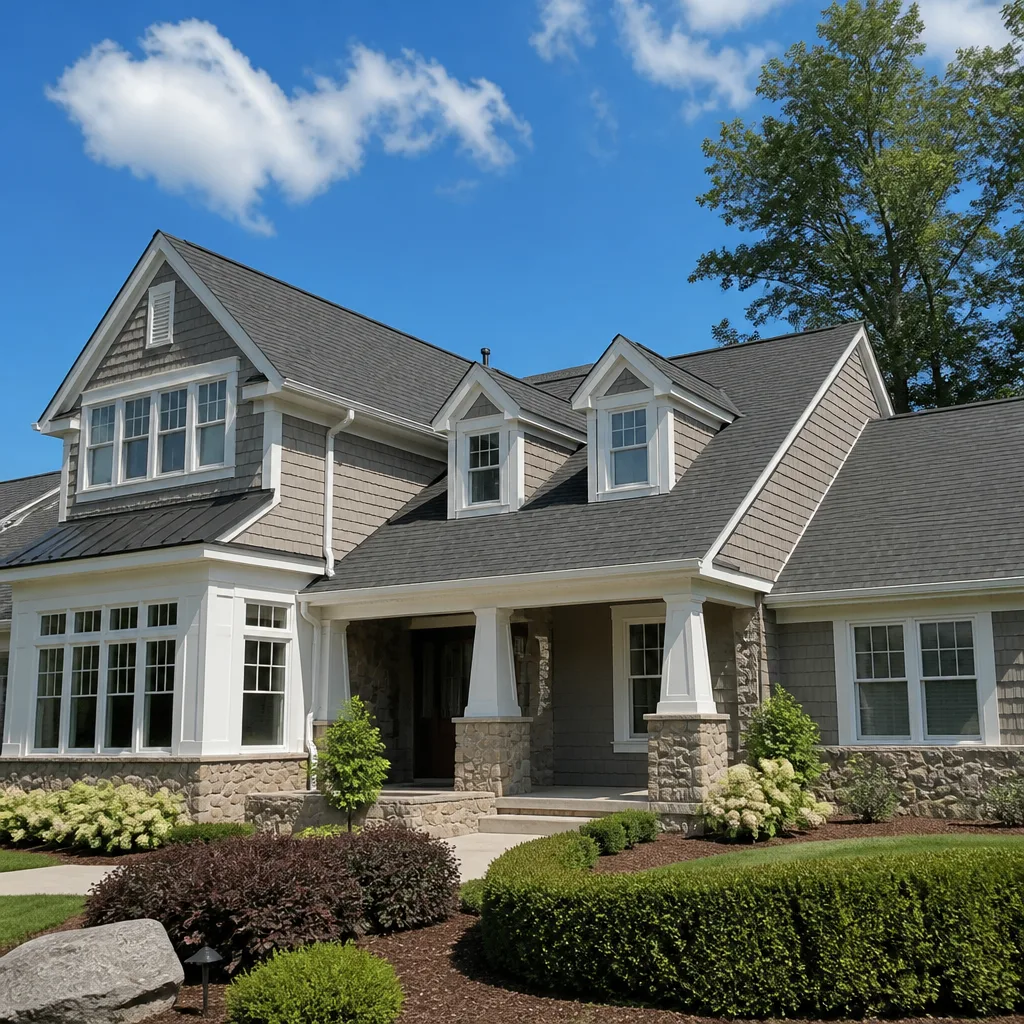
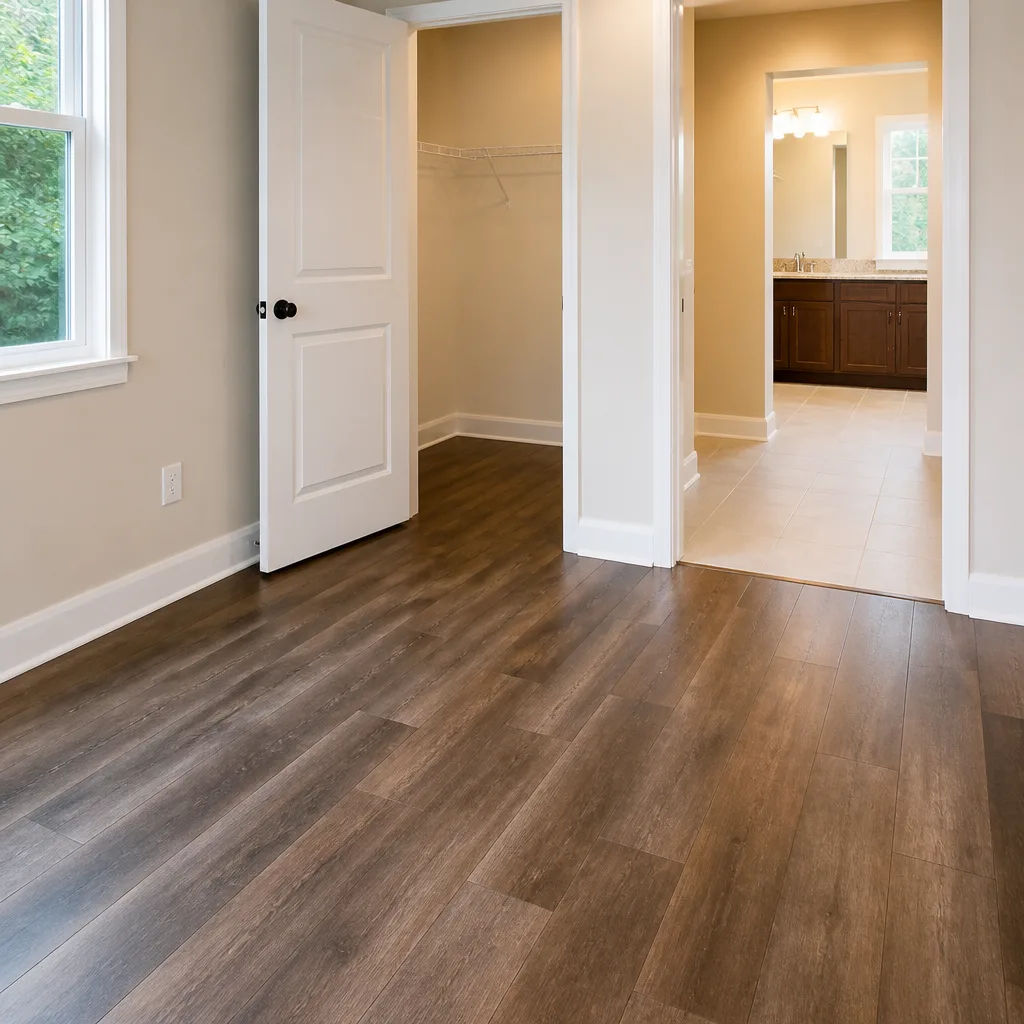
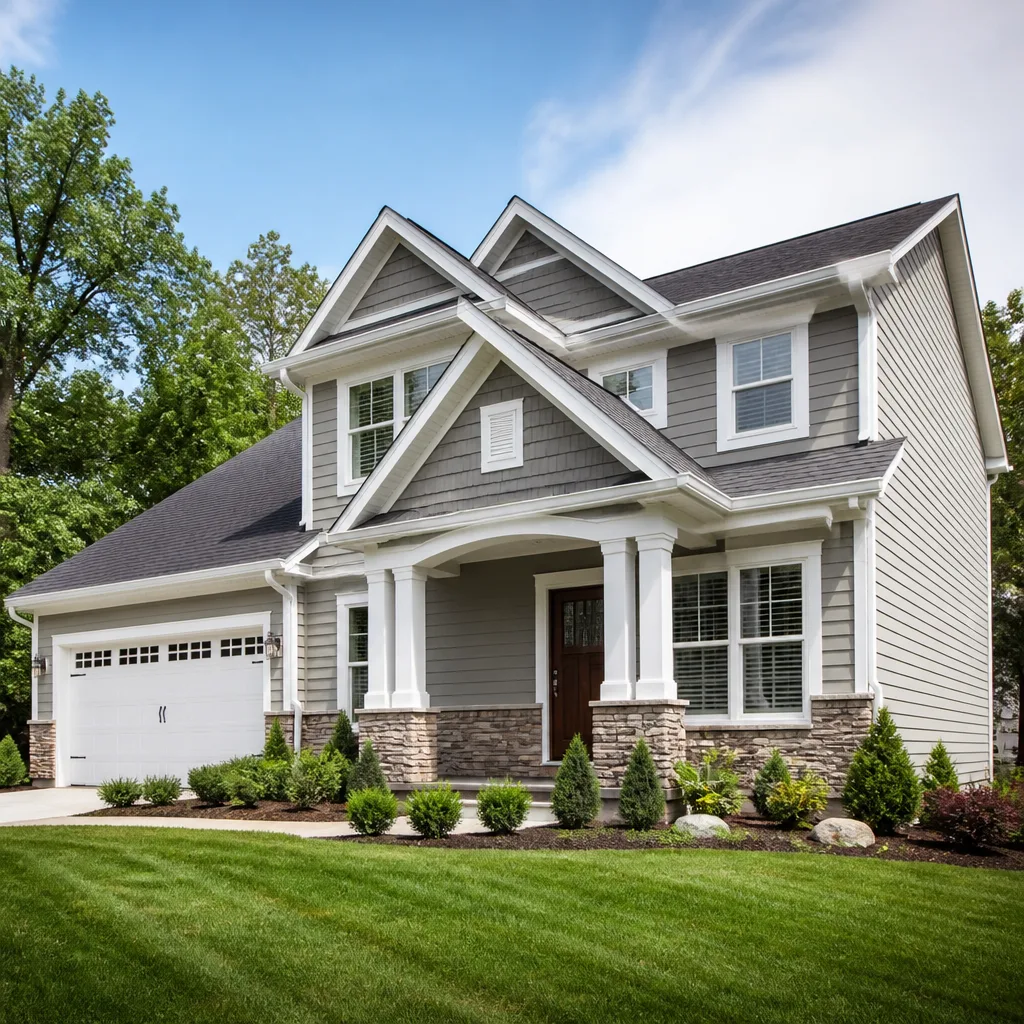
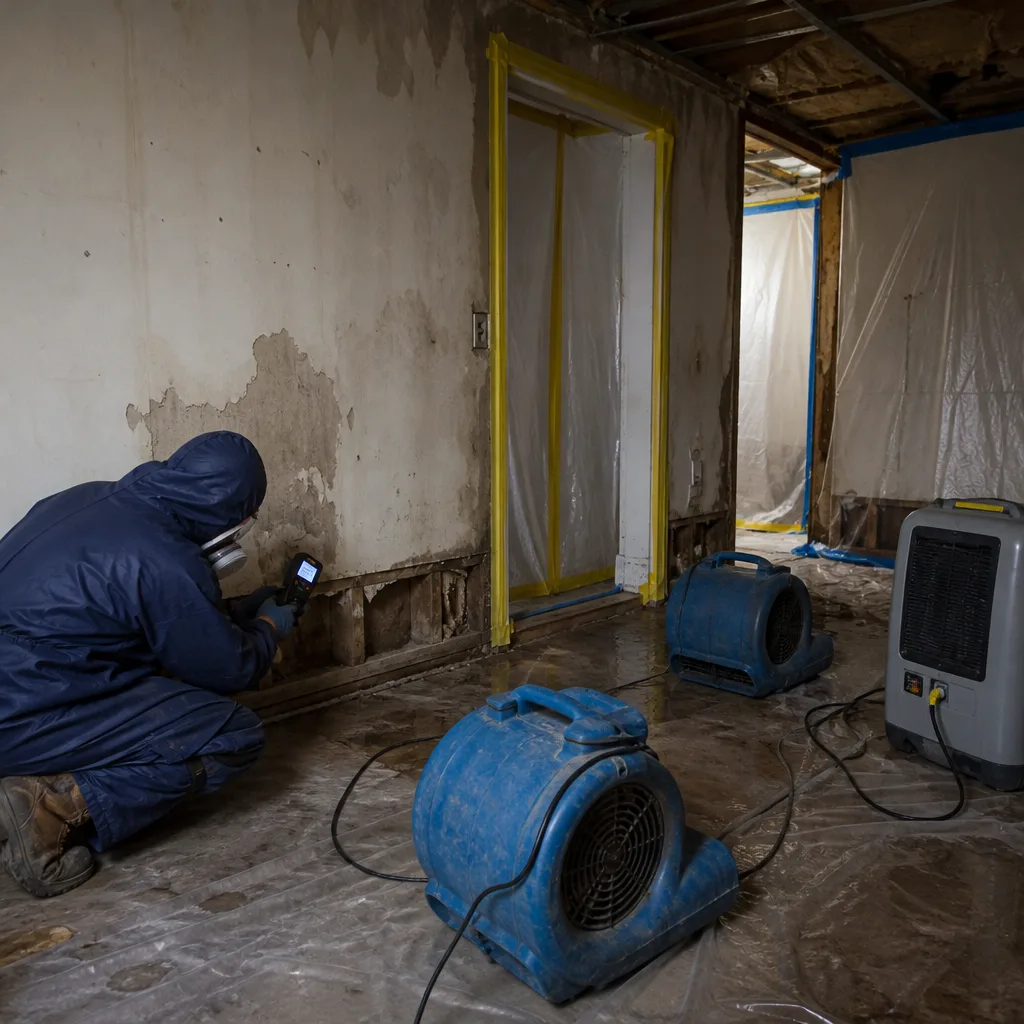 Before
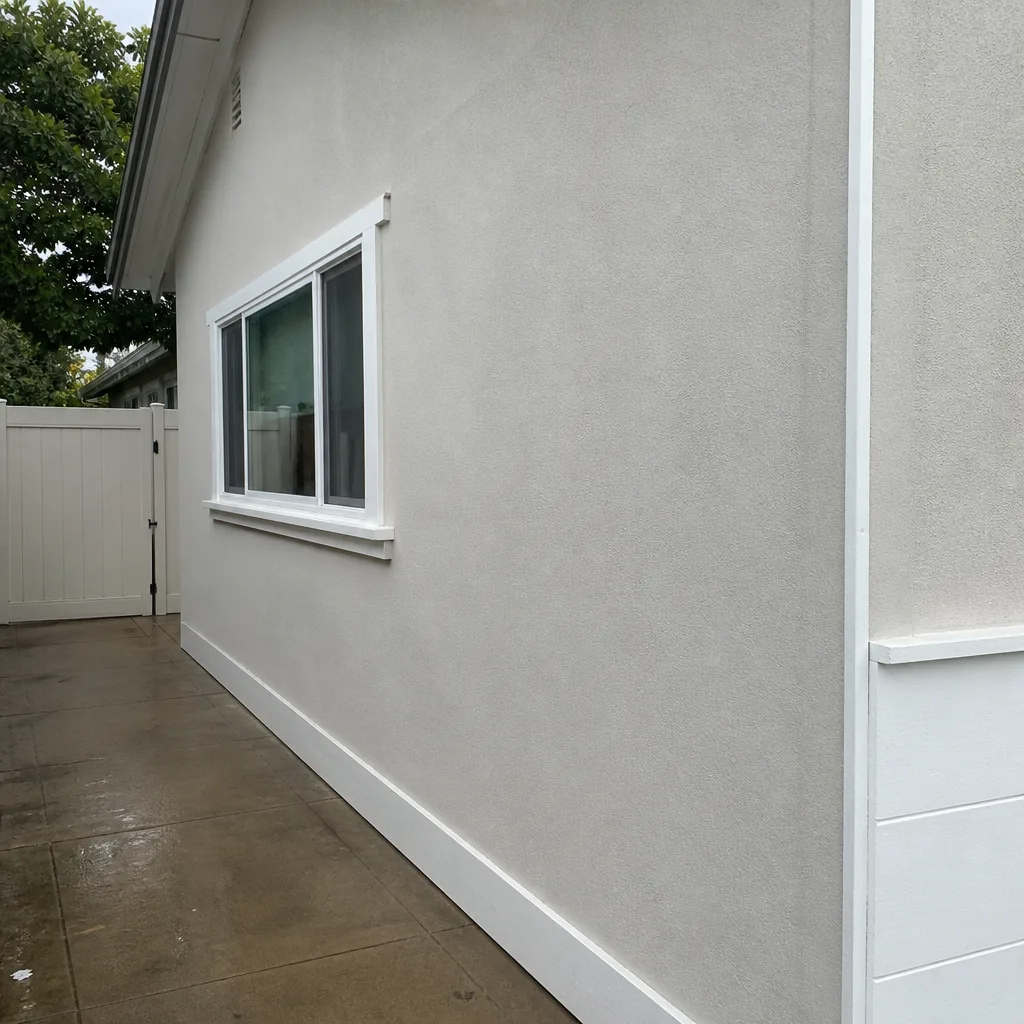 After
After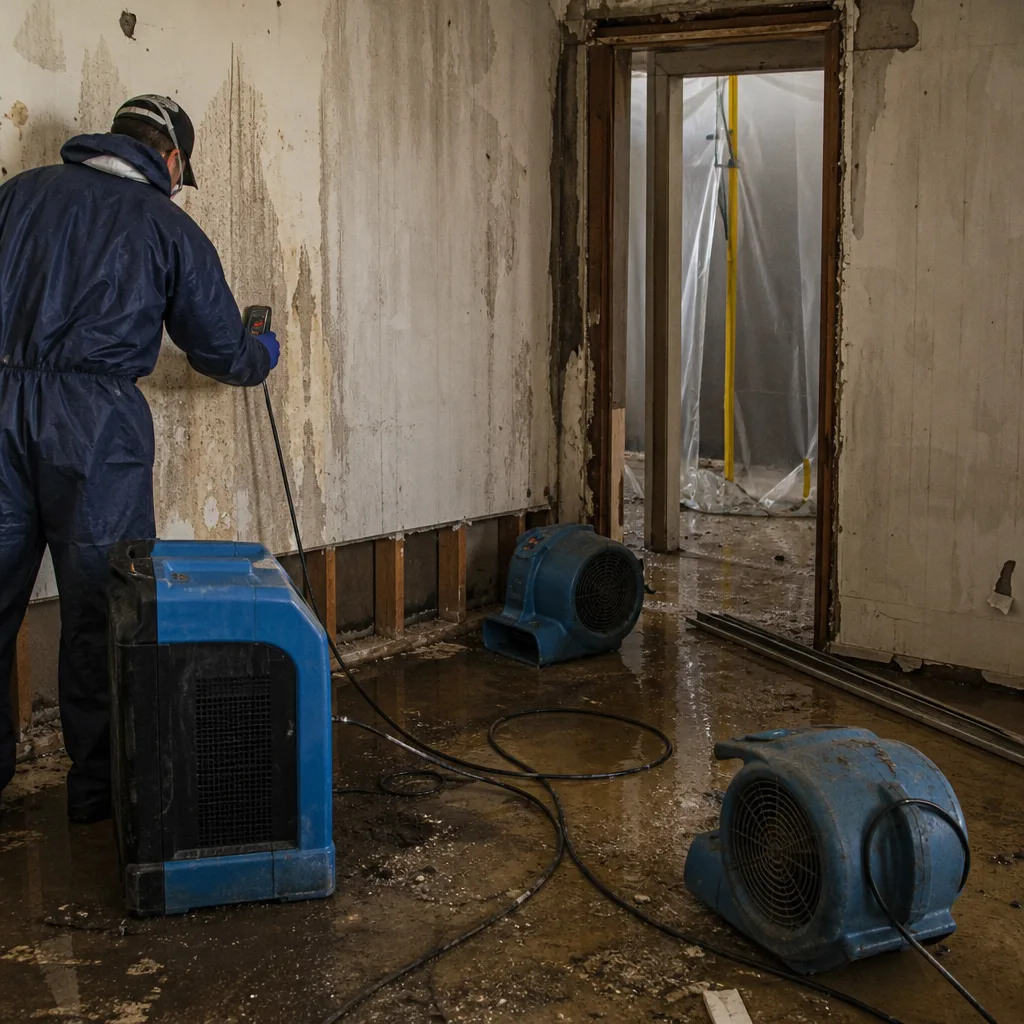 Before
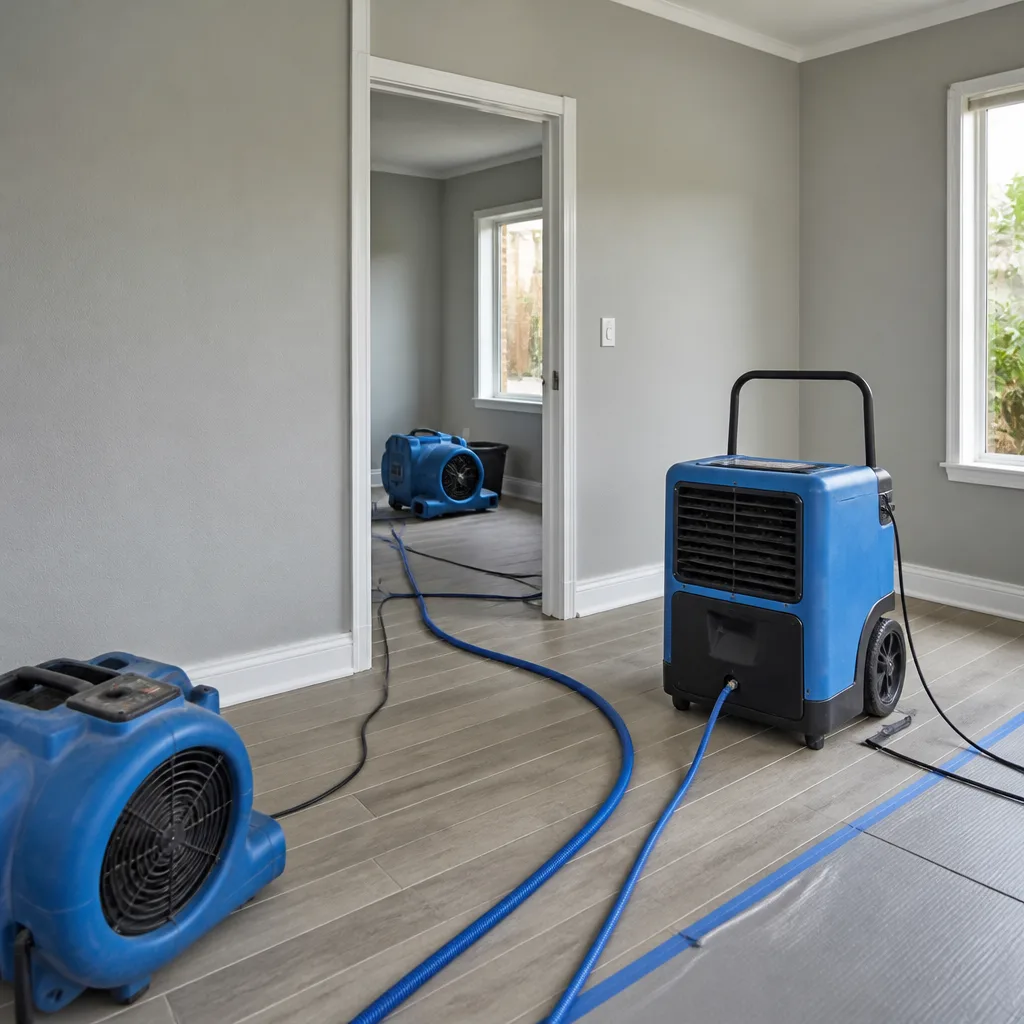 After
After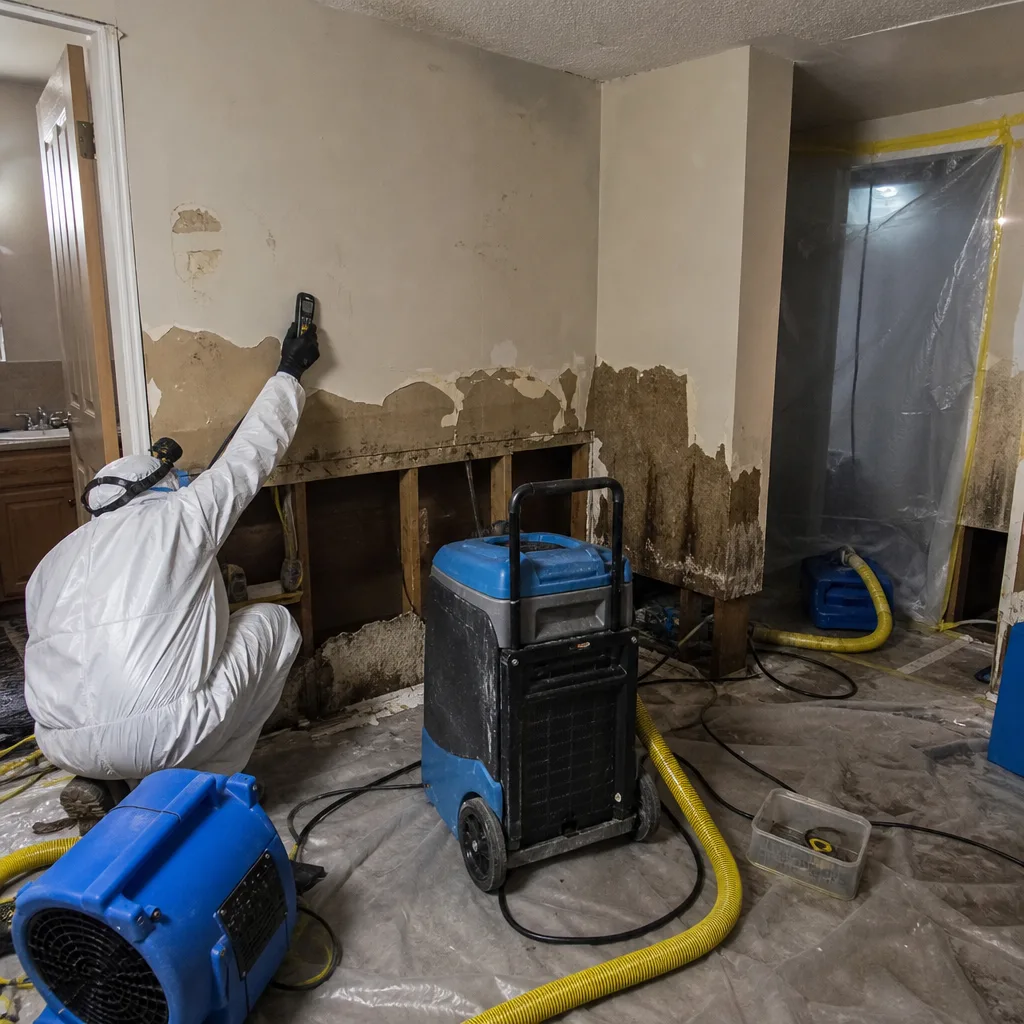 Before
 After
AfterFast, Reliable Water Damage Restoration Across Brooklyn
When a supply line bursts in a Cobble Hill brownstone or a nor’easter pushes storm surge into a basement off Flatbush Avenue, the first 48 hours decide whether you’re looking at a drying job or a gut renovation. Most residential water extractions in Brooklyn run between $900 and $1,800 before drying equipment goes in, and a full structural drying program typically lands between $1,700 and $3,400 depending on how many rooms and floors are involved. We answer calls from Brooklyn homeowners 24/7 at (910) 613-6568, and we know this borough’s buildings better than any crew that just drives in from somewhere else.
Brooklyn’s housing stock is older than almost anywhere in the country. Plaster-over-lath walls, cast iron risers, brick party walls, and steam-heat systems all behave differently when wet than modern drywall and PEX. Our Water Damage Restoration team works with that reality instead of pretending every building is a 2005 frame house.
Why Marsh Water Damage Restoration Is Brooklyn’s Preferred Water Damage Restoration Company
We’ve been restoring water-damaged homes since 2005, and we’ve spent enough time inside Brooklyn’s pre-war housing stock to know what we’re going to find before we open the first wall. Tobias Reyner leads a technical team credentialed through IICRC, RIA, and IFA, and every technician who walks into a Brooklyn home has been background-checked, identity-verified, and sent to you by name and photo before the visit. When the knock comes, they show a photo ID badge. That’s the Threshold Verified standard, and it’s printed on every work order we leave behind.
Brooklyn customers tell us the same thing over and over: they were as worried about who was showing up as they were about the water. Parents with young kids in Park Slope, older homeowners in Sheepshead Bay, people home alone in Bushwick. That’s exactly why the Threshold Standard exists. You know who’s coming. You see their name and face on your phone before they arrive. And when they leave, you have a written price, a written guarantee, and a 365-Day Done Right Promise in your hand. If the repair isn’t right within a full year, we make it right, and a free second visit is included automatically. No arguing, no phone tag.
Water Extraction in Brooklyn
Water extraction in Brooklyn starts with moving standing water out of basements, cellars, first floors, and wall cavities as fast as possible, using truck-mounted and portable extractors from Dri-Eaz and XPOWER that pull water out of hardwood, tile, concrete, and the hollows behind plaster and lath. A typical single-room extraction in a Brooklyn apartment or brownstone runs $900 to $1,800, before drying equipment is staged. If you’ve got water across a full garden-level floor in a converted townhouse, you’re likely in the $1,800 to $2,800 range.
Standing-Water Removal in Attached Buildings
The hard part in Brooklyn isn’t the water you can see. It’s the water that’s already wicked through baseboards, under hardwood, and into the shared brick party wall your brownstone shares with the building next door. We extract what we can, then immediately map moisture with thermal imaging and pin meters to see where it’s moving. In attached construction, the answer is almost always “next door too.”
Saltwater and Contaminated-Water Extraction
Homes in Red Hook, Coney Island, and Canarsie that took on storm surge during Sandy, or that flood during a high-tide nor’easter, present a different extraction problem. Saltwater accelerates rust in cast iron and galvanized piping, and it spalls concrete. That water has to be extracted differently and treated with remediation chemistry that neutralizes chlorides, or the building keeps degrading long after it looks dry. If the water came up through a basement drain during a heavy rain in Gowanus, we treat it as Category 3, period.
Emergency Water Removal in Brooklyn
Emergency water removal in Brooklyn is the call we get at 2 a.m. when a steam radiator valve fails in an old-law tenement in Bed-Stuy or a washing machine supply line lets go on the third floor of a brownstone in Carroll Gardens. We have a live person answering the phone around the clock, every day of the year, and we dispatch a crew toward your building immediately. Most emergency water removal calls in Brooklyn run between $1,000 and $2,200 for the initial extraction and containment, with structural drying priced separately once we’ve mapped the full extent of the damage.
Stopping Migration Through Party Walls
In a detached house, water spreads through your own rooms. In Brooklyn, it spreads through your own rooms and your neighbor’s. A pipe burst on one side of a party wall routinely pushes water into three to five adjacent buildings at once. That changes the emergency playbook: we document moisture in every affected unit, set containment on both sides of the wall, and coordinate with each neighbor’s insurance carrier from day one. Skipping that step is how a $2,000 claim becomes a $40,000 one.
Pre-1960 Rules and Emergency Response
The emergency extraction itself isn’t slowed by DOB regulations, because removing water and setting air movers isn’t demolition. What changes is what happens after the water is out: if your building was built before 1960, and most of Brooklyn was, we cannot begin cutting out wet plaster or flooring until lead and asbestos protocols clear the site. We stage around that from the first hour, and we tell you what it means for your timeline before we touch anything. You get a written scope before any demo begins.
Trusted Brands We Service in Brooklyn
We run Dri-Eaz dehumidifiers, Phoenix air movers, and XPOWER axial fans on Brooklyn jobs, and we stock parts and filters locally so a failed motor or a clogged pump doesn’t stall your drying program while someone waits on a warehouse shipment. When the job calls for drying inside plaster walls without tearing out entire rooms, we use Injectidry wall-cavity panels that push air directly into the voids behind the plaster. These are the same machines used on large commercial losses, applied to a garden-level apartment in Bay Ridge or a parlor floor in Fort Greene. The gear matters, but the operator matters more. Our techs spend their time in buildings like yours, not just in a training room.
Common Water Damage Restoration Problems We See in Brooklyn Homes
- Plaster-over-lath hiding water behind brick. Crews that expect drywall cut into a brownstone, don’t find any, and assume the wall is less wet than it is. Plaster and thick masonry release moisture slowly, so a wall can read dry on the surface while mold is already colonizing the cavity behind it. You need moisture mapping, not guesswork.
- Water migrating through shared party walls. In attached construction, water from one unit travels sideways into the buildings on either side, often through cast iron or galvanized pipe chases that run between floors. If the neighbor’s insurance carrier isn’t notified early, the claim explodes after the first mitigation is “complete.”
- Demolition starting before DOB lead and asbestos clearance. Nearly every pre-1960 building in Brooklyn triggers mandatory lead and asbestos protocols. A crew that starts cutting before an abatement clearance has contaminated the drying setup and stalled the entire job. We stage that clearance from the beginning, because we’ve done this in Brooklyn enough times to know it’s not optional.
- Saltwater intrusion from Sandy and nor’easter flooding. Buildings in Red Hook, Canarsie, and Sheepshead Bay that took on saltwater years ago still carry chlorides in their masonry and steel. Salt accelerates corrosion differently than freshwater, and the remediation chemistry is different too. Applying standard freshwater drying assumptions to that stock is how you “finish” a project and leave a building degrading behind the walls.
Pricing for Water Damage Restoration in Brooklyn, NY
Here’s what Brooklyn homeowners can expect to pay for the most common water damage scenarios. A burst supply line with extraction and two days of drying on a single room runs $1,200 to $2,000. A finished basement flood with carpet, pad, and drywall removal plus five days of drying runs $2,700 to $4,200. A whole-floor event that crosses into multiple units and requires containment on both sides of a party wall runs $5,000 to $9,500 or more. These are real ranges, not bait, and they reflect this borough’s labor costs, DOB clearance requirements, and older-building construction. Every job gets a written price before work begins, with a written guarantee on every repair. Call (910) 613-6568 for a free estimate, and we’ll give you the number in writing, not over the phone and then “adjusted” later.
We Also Serve Cities Near Brooklyn
Our crews serve all of Brooklyn, from Greenpoint down to Coney Island and everywhere between, and we cross the bridges daily for work in Brooklyn and the surrounding boroughs. We also respond to water damage emergencies in Manhattan, Long Island City, Sunnyside, and Ridgewood, often arriving within the hour during a major storm or a borough-wide pipe-freeze event.
Serving Brooklyn, NY - Our Local Coverage Area
We’re based in the Brooklyn area and know this community well. Use the map below to see our service coverage - if you’re nearby, we can almost certainly help.
FAQs About Water Damage Restoration in Brooklyn
Because the buildings share walls, and water travels through them. A burst supply riser inside a plaster wall in one brownstone routinely pushes water through brick party walls into the buildings on either side, which means three to five properties can be wet from a single pipe failure. Each building gets its own drying logs and scope of work, and each neighbor’s insurer gets brought in early. That’s the only way to prevent a small leak from becoming a five-way construction dispute. If you’re the owner of the unit where the pipe failed, call us right away at (910) 613-6568 so we can document moisture on both sides of the wall before it spreads further.
You can start drying immediately. Removing standing water, setting air movers and dehumidifiers, and taking moisture readings does not require DOB lead or asbestos clearance, because you’re not disturbing painted surfaces or insulation. What does require clearance is demolition: cutting out wet plaster, pulling floors, opening walls. For most pre-1960 Brooklyn buildings, that means an abatement clearance must happen before reconstruction work begins. A good restoration company plans for that from the first hour instead of acting surprised on day three. We do.
Everything about the safety classification. Water from a combined-sewer overflow in Gowanus can carry raw sewage and legacy industrial contaminants from the EPA-designated Gowanus Canal Superfund site. That’s Category 3 water, the most hazardous classification, and it requires full PPE, containment, and removal of every porous material it touched. We treat all Gowanus sewer backups as hazmat-adjacent until proven otherwise, because the alternative is leaving contamination in a basement where a family sleeps, cooks, or does laundry.
We map the moisture first with thermal imaging and pin meters to see exactly how far the water has traveled through the plaster and into the lath and masonry behind it. Where the plaster is still bonded and the damage is moderate, we use Injectidry wall-cavity panels that push air directly into the hidden spaces behind the wall. Where the plaster is already falling off, there’s no choice but to remove it, expose the brick, and dry the masonry slowly with Dri-Eaz and Phoenix air movers and dehumidifiers. The skill is in knowing which walls can be saved and which are already gone, and in knowing that a wall that feels dry on the surface can still be wet behind the brick for weeks.
Yes, and it shows up in ways most restoration companies never look for. Buildings that took on saltwater during Sandy, or during subsequent nor’easter flooding, retain chlorides in their masonry, concrete, and metal framing. Salt accelerates corrosion of galvanized and cast iron piping, and it causes concrete spalling years after the original flood. When a building in Red Hook or Sheepshead Bay gets wet again, even from a freshwater supply line, the pre-existing salt load changes how we treat the water and what remediation chemistry we use. If you’re in one of those neighborhoods and you’ve had water trouble before, tell us up front so we can account for it in your drying plan and your written scope. Call (910) 613-6568 for a free assessment.
Contact Marsh Water Damage Restoration in Brooklyn
Water in a brownstone doesn’t wait for business hours, and neither do we. Call (910) 613-6568 any hour of any day and a live person will answer, take your address in Brooklyn, tell you the name and photo of the technician coming to your door, and schedule your free estimate. You’ll get a written price before any work begins, a written guarantee on every repair, and the 365-Day Done Right Promise on the work order. If it’s not right within a year, we make it right, and the second visit is free. Water where it shouldn’t be is literally our name. Let us come take a look.
Written by Tobias Reyner, Owner at Marsh Water Damage Restoration, leading the team that has restored water-damaged homes since 2005.