
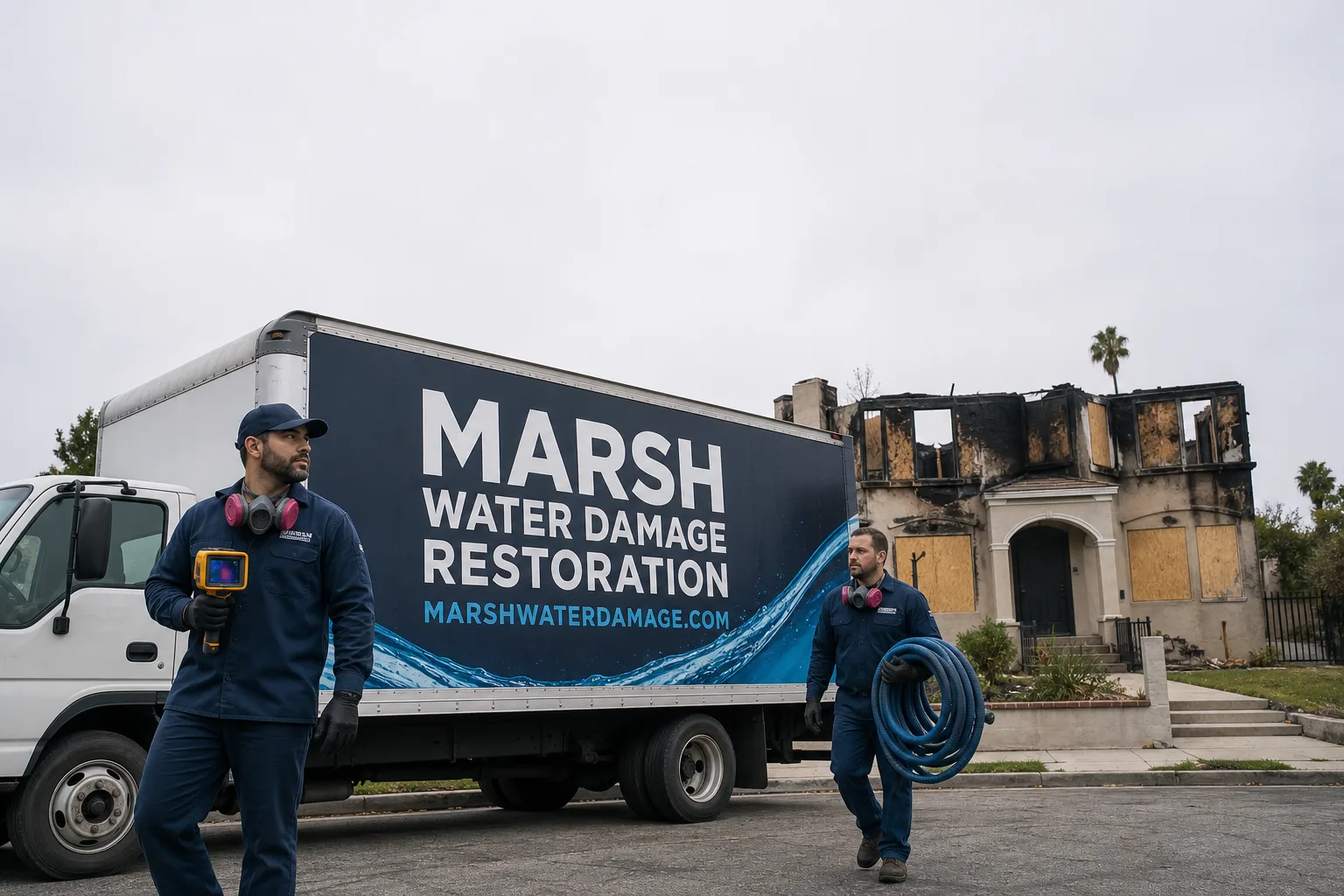
Free visual inspection and a written scope of work before any mitigation begins - photos, moisture readings, and drying logs go in your claim file
The scope we write is the scope we bill. Anything new gets shown to you, in writing, before we touch it.
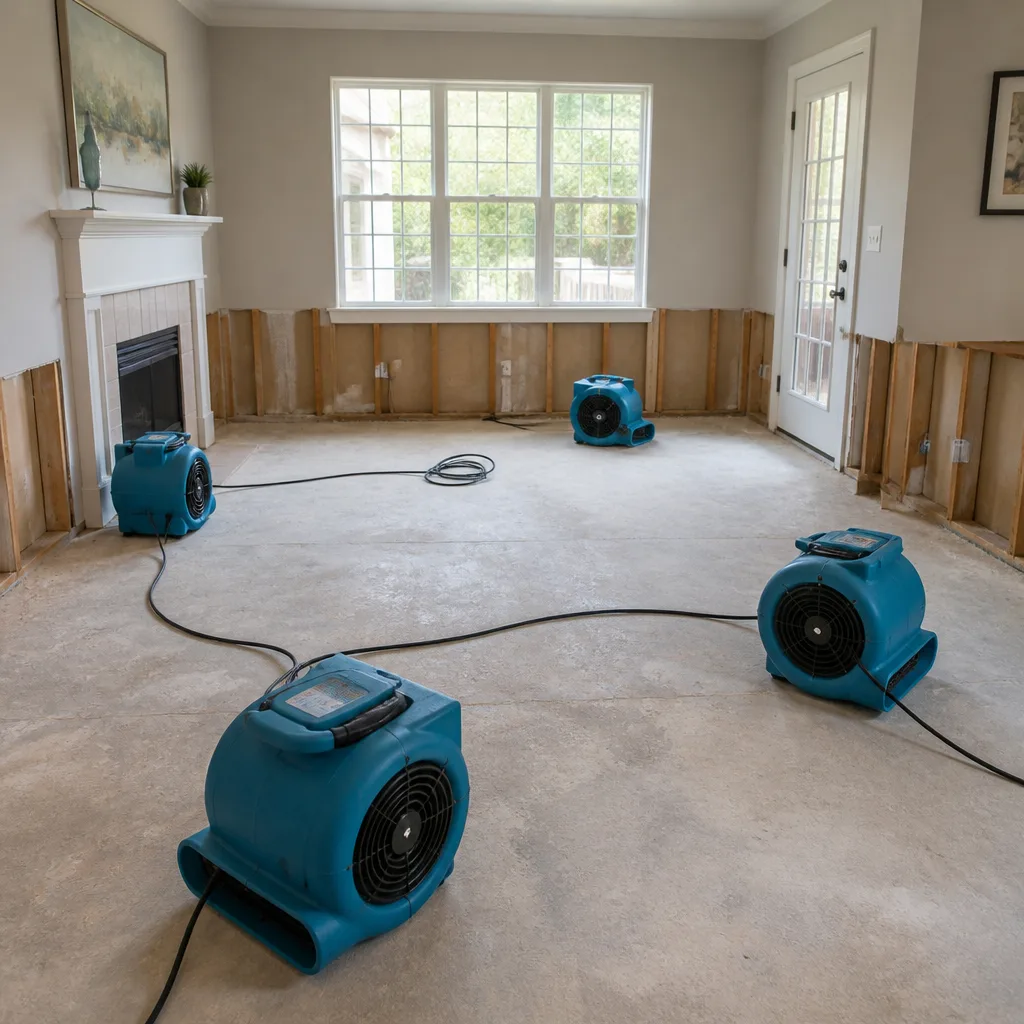
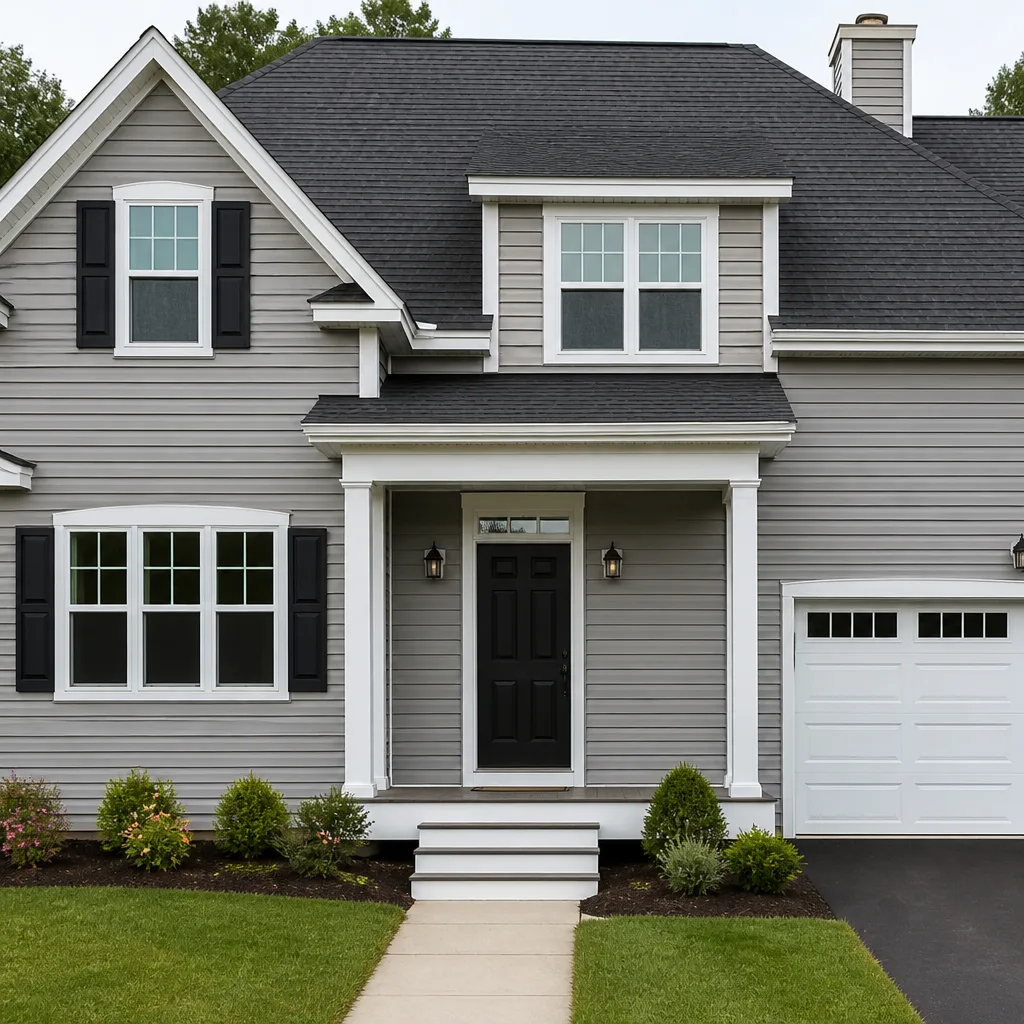
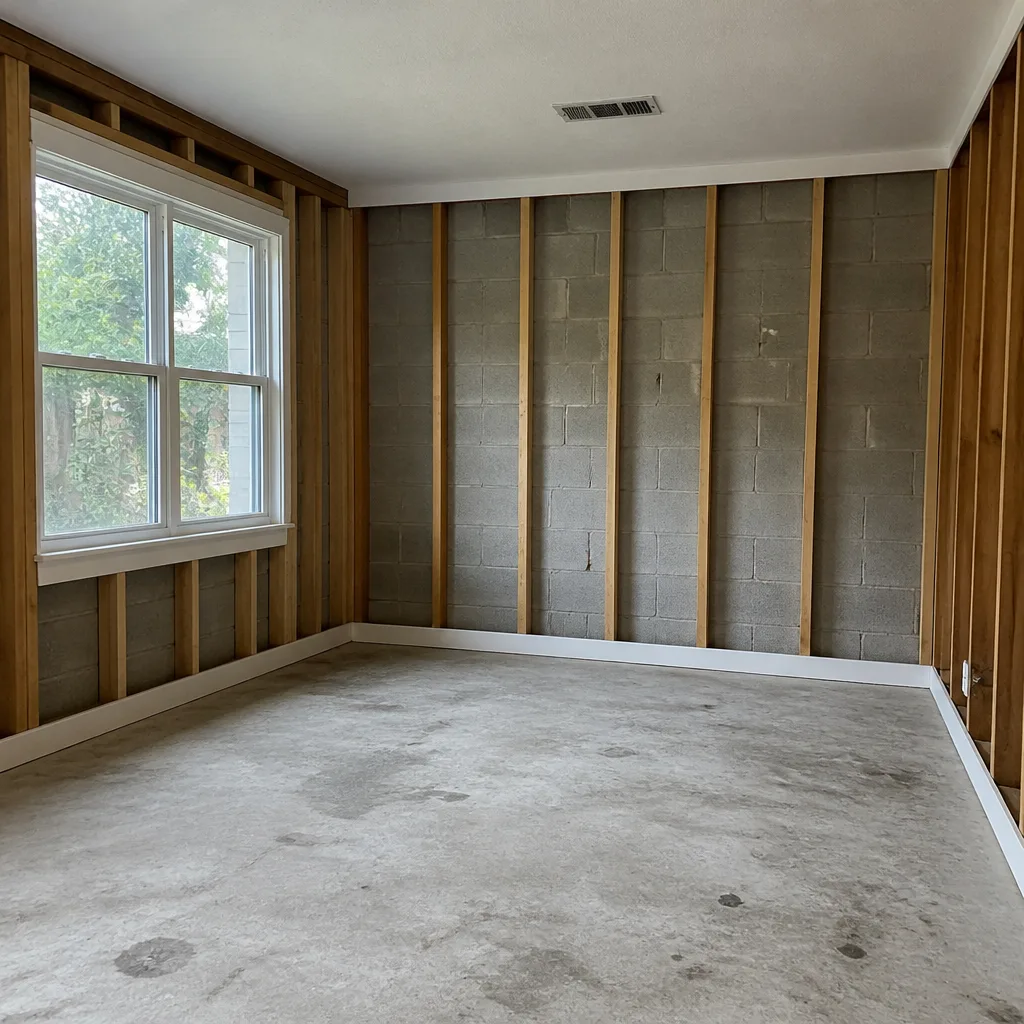
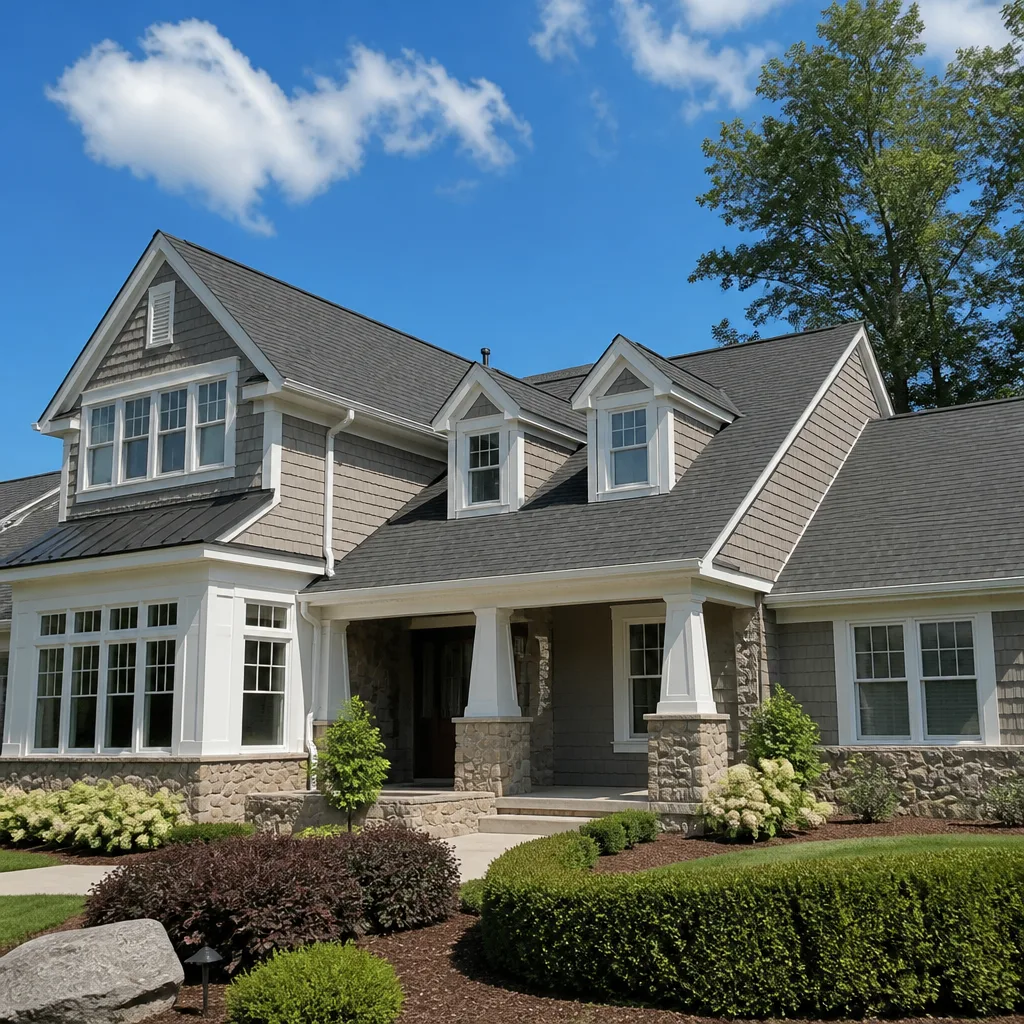
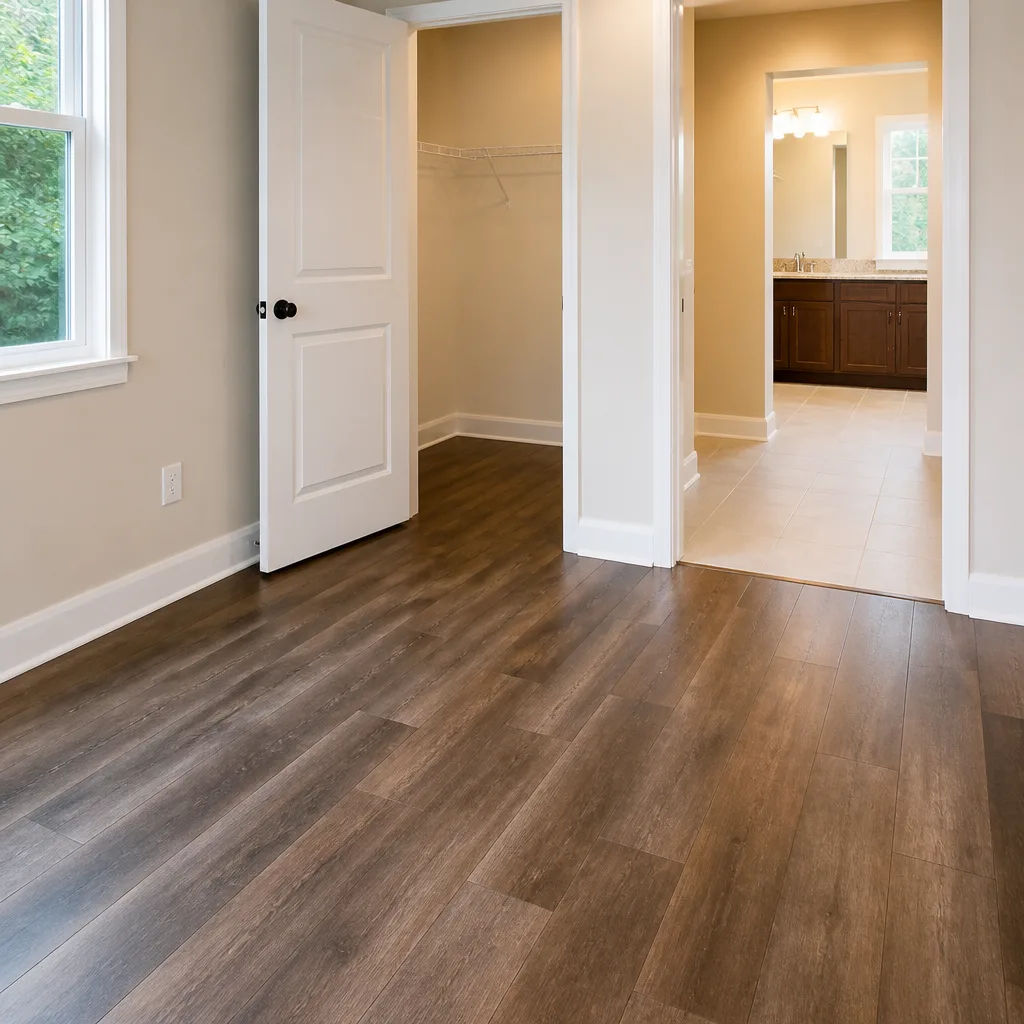
 Before
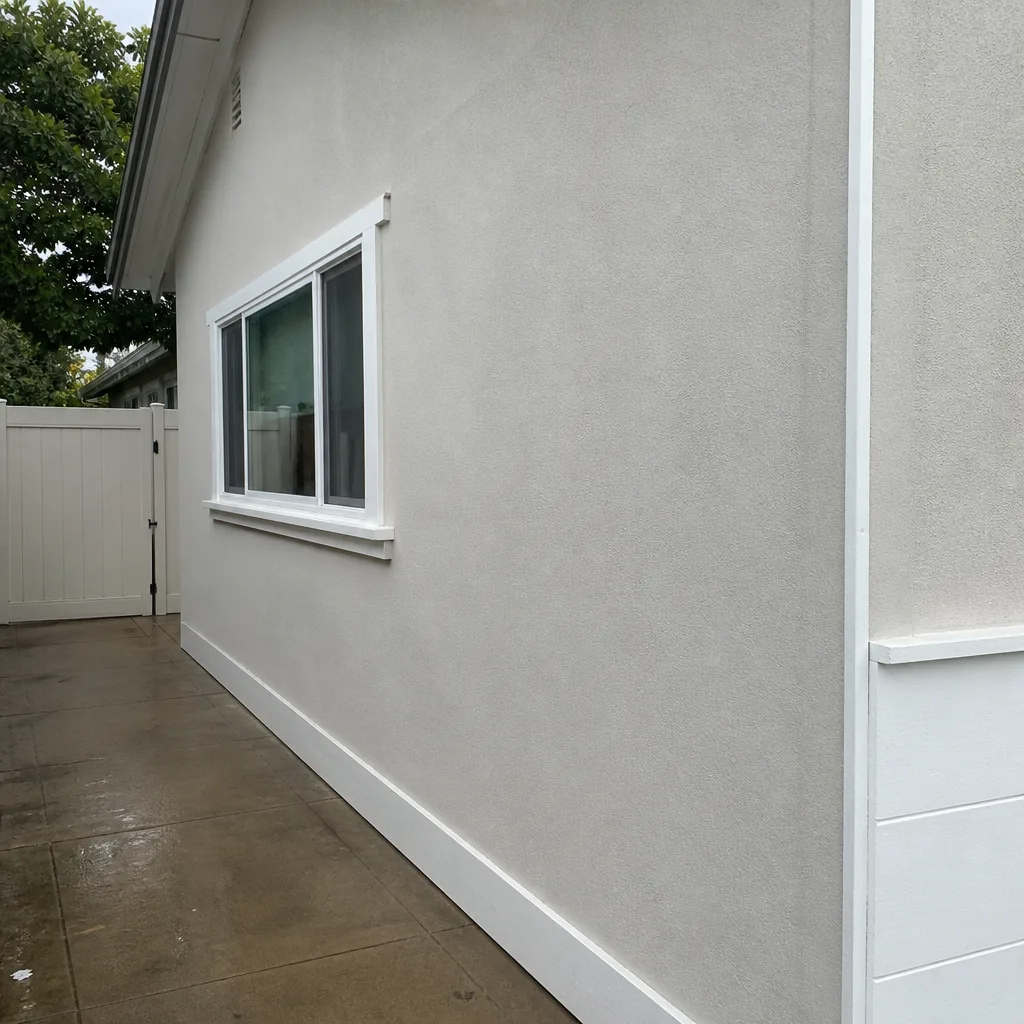 After
After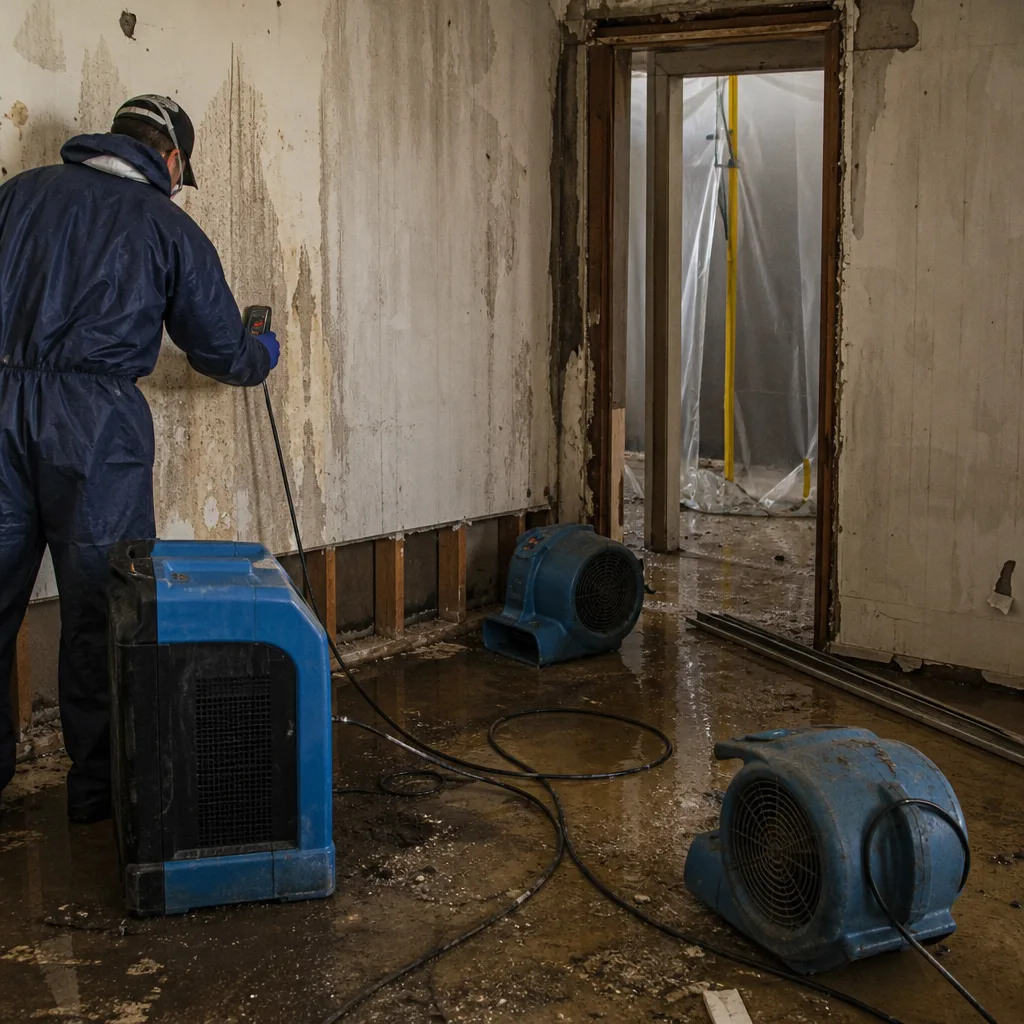 Before
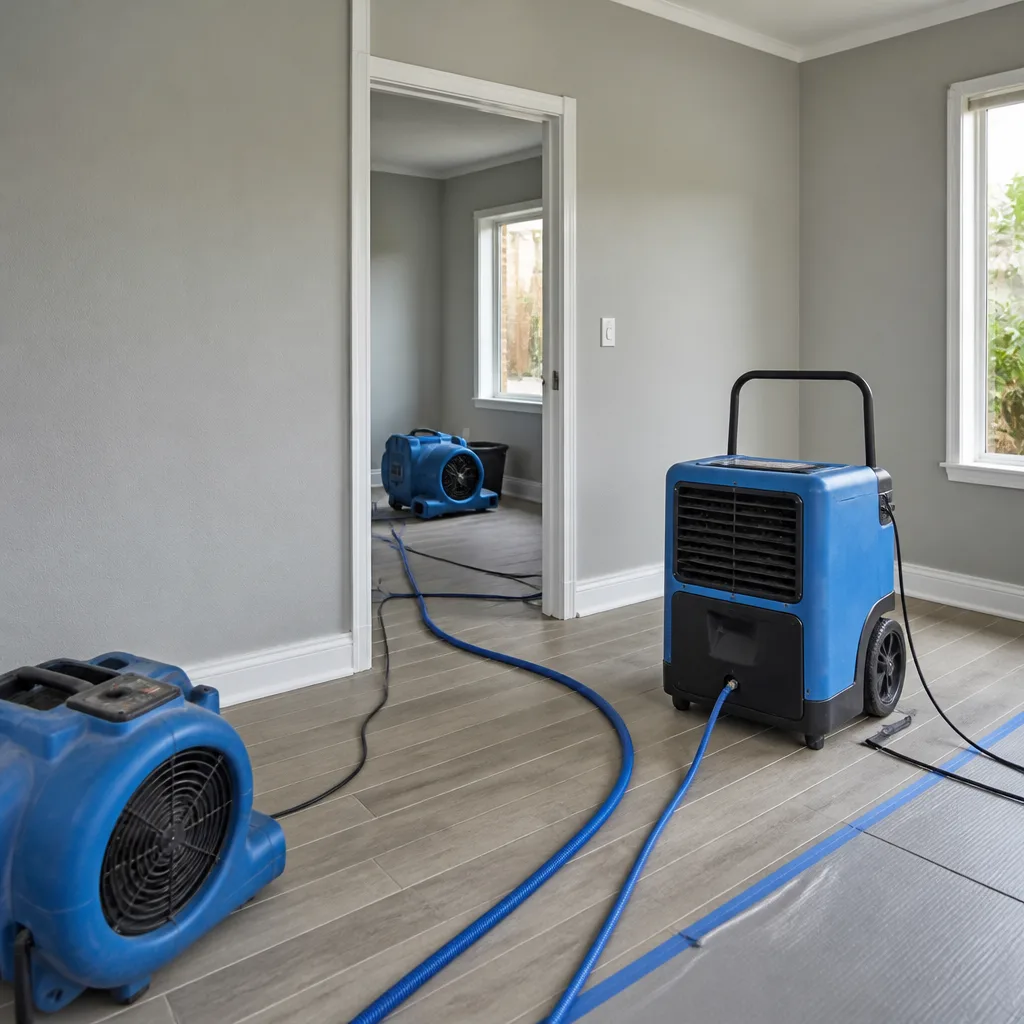 After
After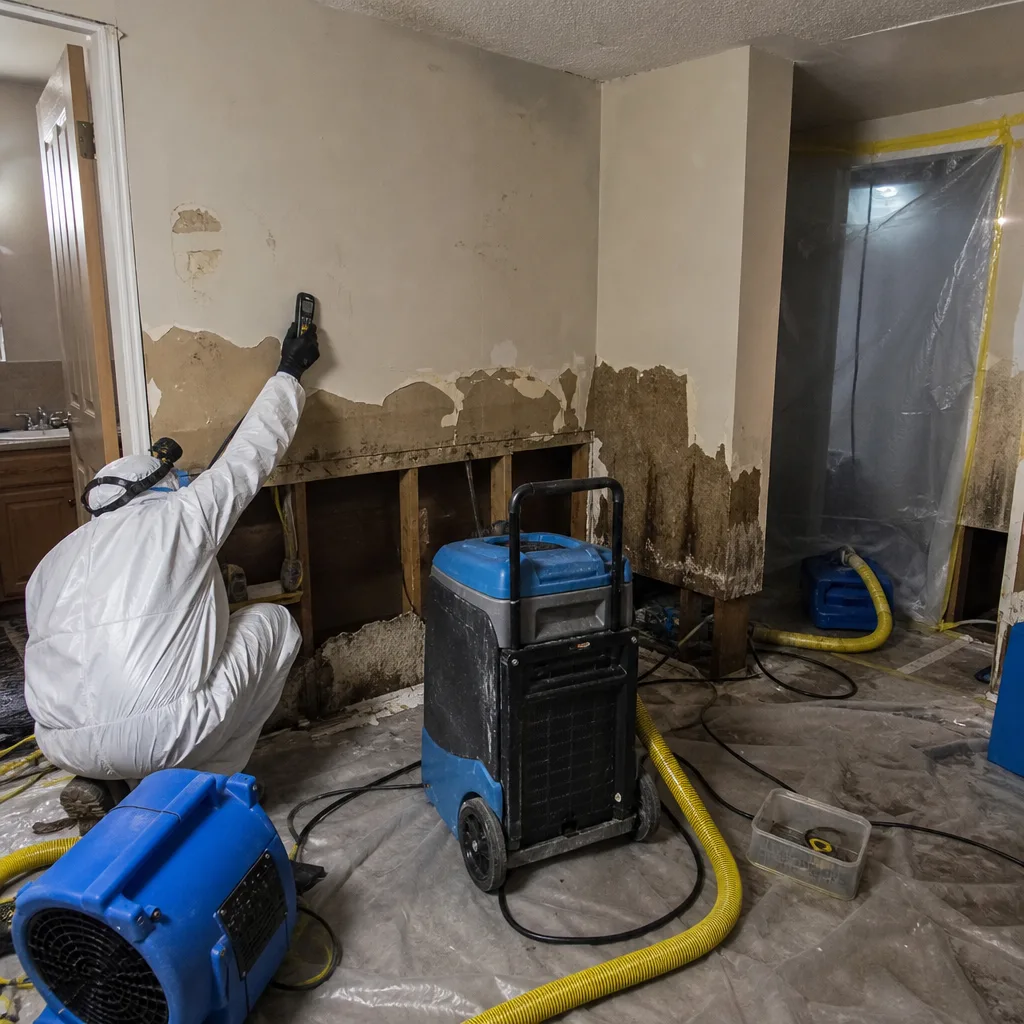 Before
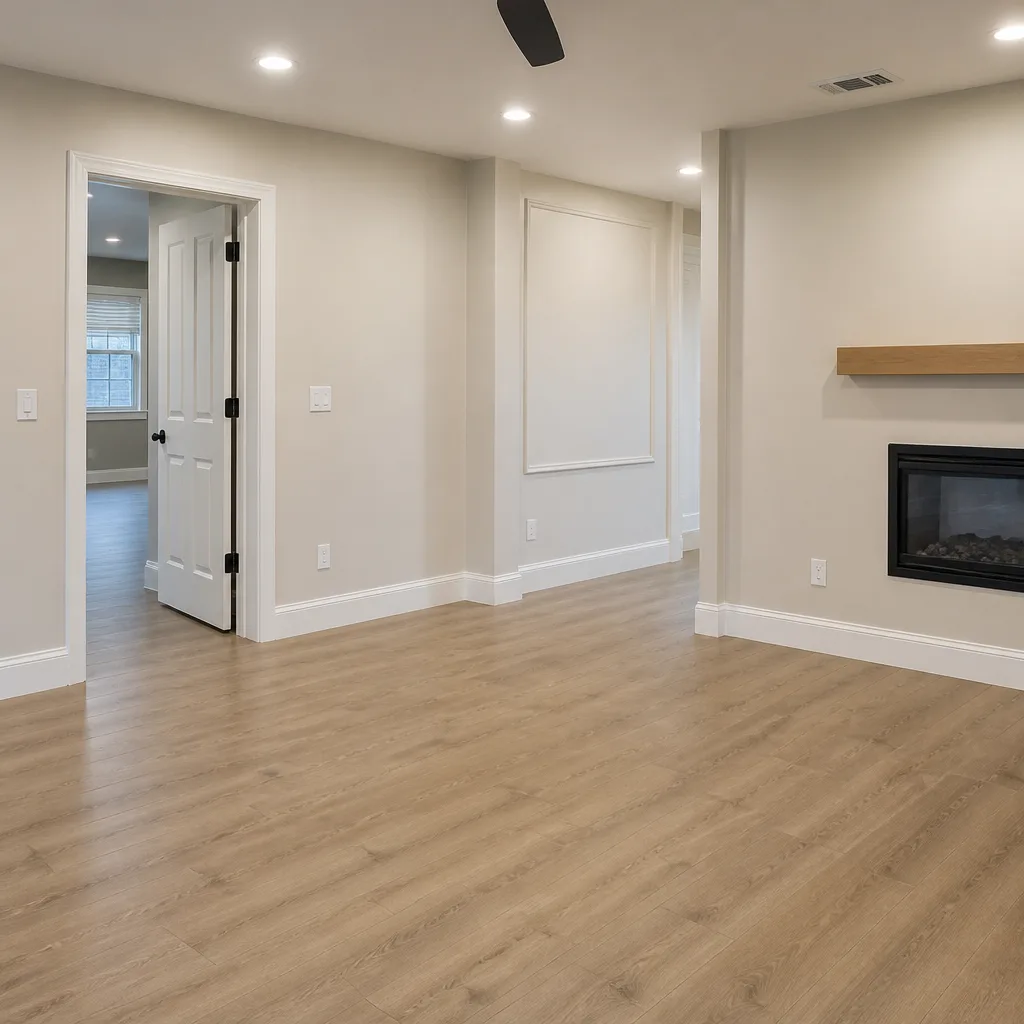 After
AfterFast, Reliable Water Damage Restoration Across Chestnut Ridge
Water damage in Chestnut Ridge rarely announces itself politely. When a nor’easter thaw pushes groundwater laterally through the glacial clay under a mid-slope split-level, or a finished 1960s basement finally gives way after seasons of slow seepage, you need someone who has seen this exact failure before. A typical water extraction in Chestnut Ridge runs $1,200 to $3,400, with structural drying equipment adding $250 to $600 per day. Call (910) 613-6568 and a live person answers, day or night, holidays included.
Our Water Damage Restoration crews work throughout Chestnut Ridge and know what happens when clay-rich glacial till holds water instead of absorbing it. The damage pattern here is different from Pearl River or Mahwah. We scope jobs accordingly.
Why Marsh Water Damage Restoration Is Chestnut Ridge’s Preferred Water Damage Restoration Company
Marsh Water Damage Restoration has been operating since 2005 as the restoration brand of the Threshold Group family. Every technician sent to a Chestnut Ridge address is background-checked, identity-verified, uniformed, and photo-badged. Before a crew arrives, you get a name and a photo. When they knock, they show matching photo ID at the door. Every time. That is the Threshold Standard, and it is not a marketing phrase. It is printed on every work order.
Our team holds IICRC, RIA, and IFA credentials. The drying equipment is from Dri-Eaz, Phoenix, XPOWER, B-Air, and Injectidry, the same gear large commercial restoration firms deploy on big losses, applied to Chestnut Ridge residential jobs. Tobias Reyner, who leads our restoration team, insists on written pricing before any work begins and a written guarantee on every repair. The 365-Day Done Right Promise backs every job we run in Chestnut Ridge. If the repair is not right within a full year, we make it right. A free second visit is automatic. You never have to argue for it.
Local reputation matters here. Chestnut Ridge homeowners talk. The ones who have called us after a thaw event or a burst supply line in a mid-slope ranch know we trace water sources before we start tearing anything out. That is why our repeat calls in the village come from referrals, not from ads.
Emergency Water Removal in Chestnut Ridge
Emergency Water Removal in Chestnut Ridge is the first thing a homeowner needs when a basement takes water at 2 a.m. during a March thaw or a supply line bursts inside a wall cavity on a Sunday afternoon. The job involves extracting standing water fast enough to stop it from wicking into drywall, flooring, and the framing behind it, then setting drying equipment and tracking moisture levels until the structure is genuinely dry. In Chestnut Ridge, a typical emergency extraction runs $1,200 to $2,800 for the water removal itself, depending on affected square footage and the number of rooms involved. Equipment setup and monitoring typically add $250 to $600 per day for as long as drying continues.
One thing Chestnut Ridge homeowners ask us constantly: how quickly can you actually get here? For Chestnut Ridge addresses, a crew is typically on site within 60 to 90 minutes of your call. We answer the phone live at any hour. No answering service. No chatbot. When water is actively moving through the glacial clay toward your foundation, an hour matters.
What the First Hour Involves
Our crew arrives, confirms identity at the door using the same photo ID sent before the visit, and immediately begins extraction. We use truck-mounted extraction where access allows and XPOWER portable units for basements with tight stairways. The goal in the first hour is simple: remove as much standing water as possible before capillary action pulls it deeper into porous materials.
When Extraction Alone Is Not Enough
Some Chestnut Ridge basements look wet but are actually saturated behind drywall, under vinyl plank, or inside the wall cavity. Psychrometric readings (measuring the actual moisture in the air and materials, not just the visible water on the floor) tell us when extraction is not the whole job. If the wall cavity is holding water against a 1960s stud wall, we move to wall-cavity drying with Injectidry systems before mold gets a foothold.
Flood Damage Restoration in Chestnut Ridge
Flood Damage Restoration in Chestnut Ridge means something very specific here. It is not just a pump-out after a creek overflows. In this village, flood damage typically traces to lateral groundwater migration through compacted glacial clay, especially on mid-slope streets off Old Nyack Turnpike or along the lower slopes of the ridge itself. When the clay holds water and channels it along property lines, a finished basement that has stayed dry for decades can flood seemingly out of nowhere. A full flood restoration, including extraction, containment, structural drying, and any necessary drywall or flooring removal, typically runs $3,500 to $9,000 in Chestnut Ridge, depending on how much finished space is affected and how long the water sat before we arrived.
The key difference between a flood restoration job done right here and a callback waiting to happen is whether anyone looked at the uphill lots. We check them. Every time. Because in Chestnut Ridge, the water entering your basement often started two or three houses up the slope.
Containment Before Tear-Out
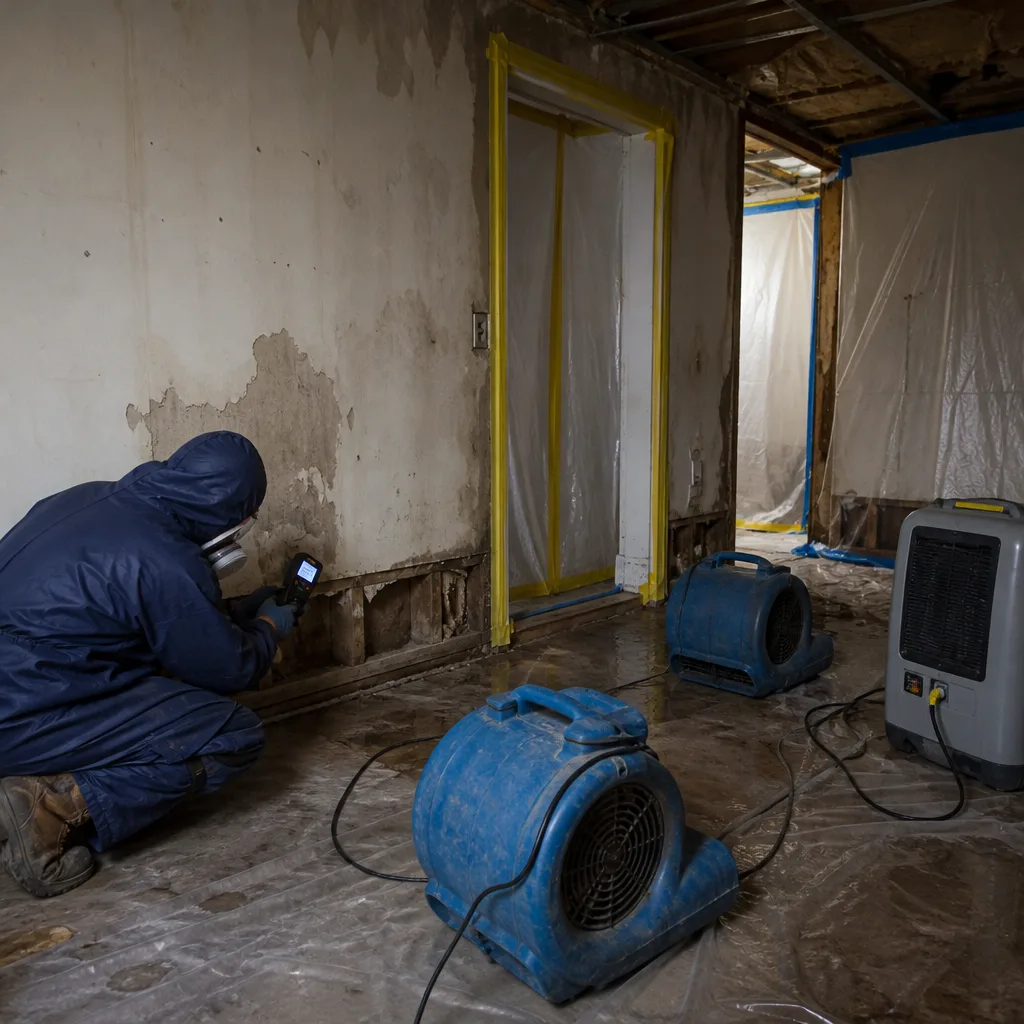
We set containment before cutting into anything. In finished basements built before modern vapor barriers existed, opening drywall releases mold spores that have been accumulating for years. We isolate the work area, establish negative air pressure, and document everything with photos. If you are filing an insurance claim, your adjuster gets full documentation from our crew, and we will talk to them directly to explain what we found and why.
Drying to a Number, Not a Feeling
Restoration crews who close out a Chestnut Ridge job because the floor feels dry are guessing. We log moisture readings against the dry standard for your structure type and do not sign off until the numbers support closing the job. That is how we honor the 365-Day Done Right Promise without ever needing to use it because we rushed.
Trusted Brands We Service in Chestnut Ridge
The work we do in Chestnut Ridge depends on equipment that holds up under real conditions. We run Dri-Eaz dehumidifiers, Phoenix air movers, and Injectidry wall-cavity drying systems because they hold calibration and produce the consistent, verifiable results our written guarantees require. We maintain inventory locally so a Chestnut Ridge crew does not lose a day waiting on a replacement dehumidifier from a warehouse in another state. When we scope your job, we tell you exactly which equipment we are setting and why. No black boxes. No mystery charges.
Common Water Damage Restoration Problems We See in Chestnut Ridge Homes
- Groundwater migration across property lines. Clay-heavy glacial till on the ridge holds water and moves it laterally. A mid-slope home can flood from runoff that started two or three lots uphill, and skipping an uphill-lot grading check is the fastest route to a callback after the next storm.
- Concealed mold in pre-1970 finished basements. Many Chestnut Ridge basements were finished decades ago without vapor barriers or waterproof membrane systems. Recurring seepage behind that drywall supports mold growth that homeowners do not discover until the drywall comes down.
- Nor’easter thaw water channeling toward foundations. Late winter snowpack melts fast during a nor’easter thaw, and the clay soil underneath holds that water against foundation walls instead of absorbing it. The peak season for water damage calls in Chestnut Ridge runs from roughly March through early May.
- Misidentified source points. A visible foundation crack is often blamed, but the real entry point in many Chestnut Ridge split-levels is a cold joint or an exterior grade issue uphill from the home. Proper diagnosis requires tracing water pathways, not just sealing whatever crack is visible.
Pricing for Water Damage Restoration in Chestnut Ridge, NY
We Also Serve Cities Near Chestnut Ridge
Our crews restore water damage throughout the lower Hudson Valley and the city beyond. We serve homeowners in Brooklyn, Queens, Manhattan, and The Bronx, bringing the same Threshold Verified standard and written guarantees to every address. If you are in Chestnut Ridge proper or across the line into a neighboring community, the number to call is the same: (910) 613-6568.
Serving Chestnut Ridge, NY - Our Local Coverage Area
We’re based in the Chestnut Ridge area and know this community well. Use the map below to see our service coverage - if you’re nearby, we can almost certainly help.
FAQs About Water Damage Restoration in Chestnut Ridge
Why does my Chestnut Ridge split-level flood for the first time after a nor’easter when it never did before?
Because the water is not coming from your property. Chestnut Ridge sits on a glacially formed ridge with clay-heavy till that holds water and channels it laterally. A nor’easter thaw dumps a sudden melt pulse into soil that cannot absorb it quickly, so groundwater migrates downhill across property lines. Your home may be the first low point where that migrating water finds an entry path. That is why we trace water sources to adjacent uphill lots before scoping the repair.
Do you need to check my neighbors’ yards to fix my basement seepage?
Yes, if the seepage pattern suggests lateral groundwater migration. Many Chestnut Ridge homes flood from water that started uphill, not from their own grade. We walk the uphill lots when access allows, looking at grading, downspout discharge, and surface runoff patterns. Skipping that step is how restoration companies hand back a basement that floods again in the next storm.
My finished basement was added in the 1970s with no vapor barrier. What are the risks after a water event?
The main risk is concealed mold behind the drywall. Basements finished before modern vapor barriers allow moisture to wick into wall cavities and sit there. Mold grows in darkness, and by the time staining appears on the finished surface, the colony has often been active for months. After any water event in a pre-1980 finished Chestnut Ridge basement, we assume concealed moisture until proven otherwise and recommend moisture mapping inside the wall cavities.
What is the difference between Category 1, 2, and 3 water in a Chestnut Ridge flood call?
Category 1 is clean water from a supply line or a melted ice line, safe to handle but still damaging. Category 2 is contaminated water with some level of biological or chemical load, like washing machine overflow or sump pump discharge. Category 3 is grossly contaminated water, which typically includes groundwater that has moved through soil, yard runoff, or any water that has picked up silt and organic material from the glacial till on the ridge. The category determines whether we salvage drywall and flooring or remove and replace.
Will my insurance cover water that came from an uphill property rather than my own home?
Most homeowners policies cover sudden and accidental water damage to your home regardless of where the water originated, as long as the cause is a covered peril. Groundwater seepage is often excluded unless you carry a specific rider, but storm-driven surface water is frequently covered. The best move is to call us at (910) 613-6568 first. We document everything with photos and moisture readings, and we will talk directly with your adjuster to explain the source pattern we found. That documentation is what gets claims paid.
One More Thing About Chestnut Ridge Before You Call
Marsh is low, wet ground. Water where it should not be. That is the name, and it is the problem we have dealt with every day since 2005. The homes on this ridge were built on clay that moves water sideways instead of down. The basements were finished before anyone thought about vapor barriers. The thaw cycles are getting weirder. Chestnut Ridge gives water a lot of help finding its way in, and you should not have to guess who is showing up to get it out.
Call (910) 613-6568. Talk to a live person. Get a written price before any work starts. And when the crew knocks, they will show you exactly who they are before you unlock the door.
Written by Tobias Reyner, Lead Restoration Technician at Marsh Water Damage Restoration, serving Chestnut Ridge since 2005.