
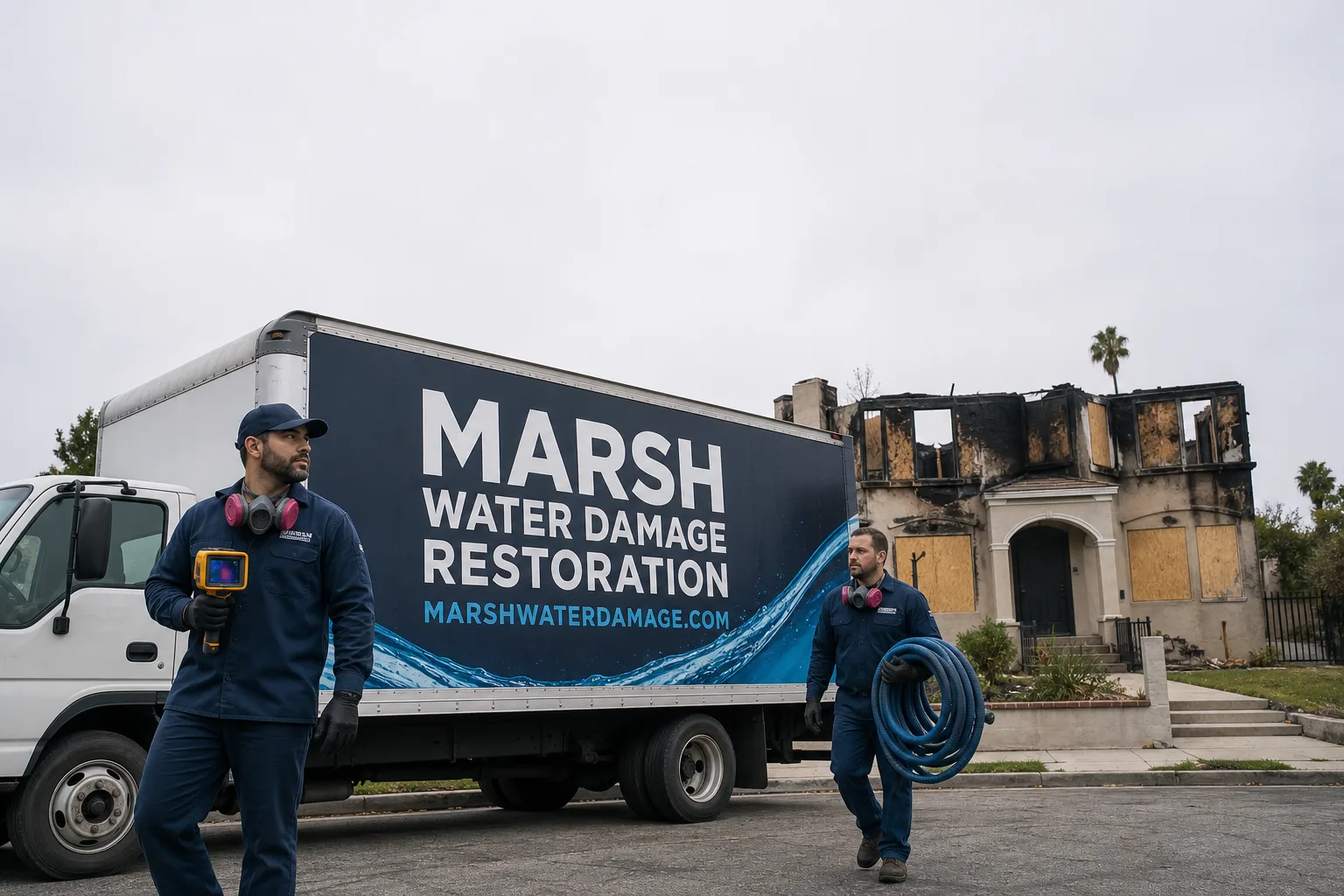
Free visual inspection and a written scope of work before any mitigation begins - photos, moisture readings, and drying logs go in your claim file
The scope we write is the scope we bill. Anything new gets shown to you, in writing, before we touch it.
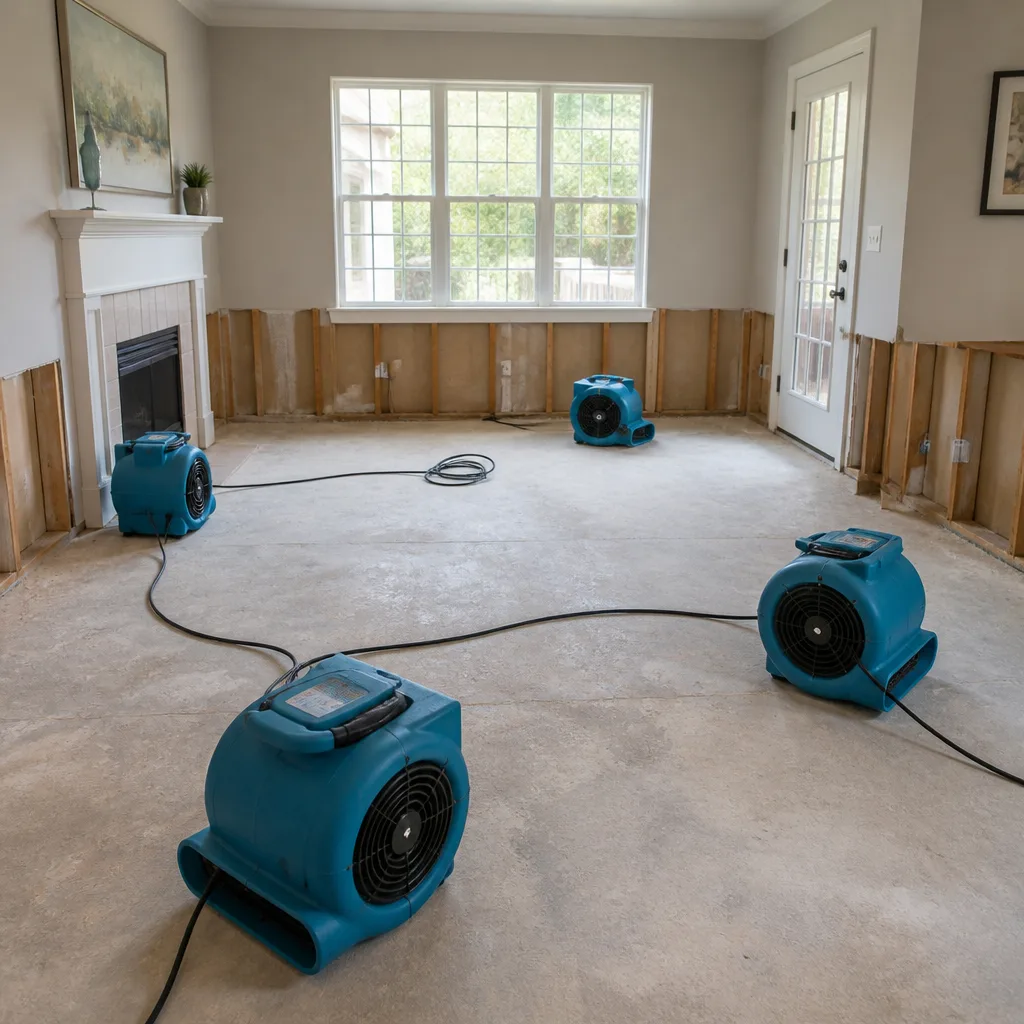
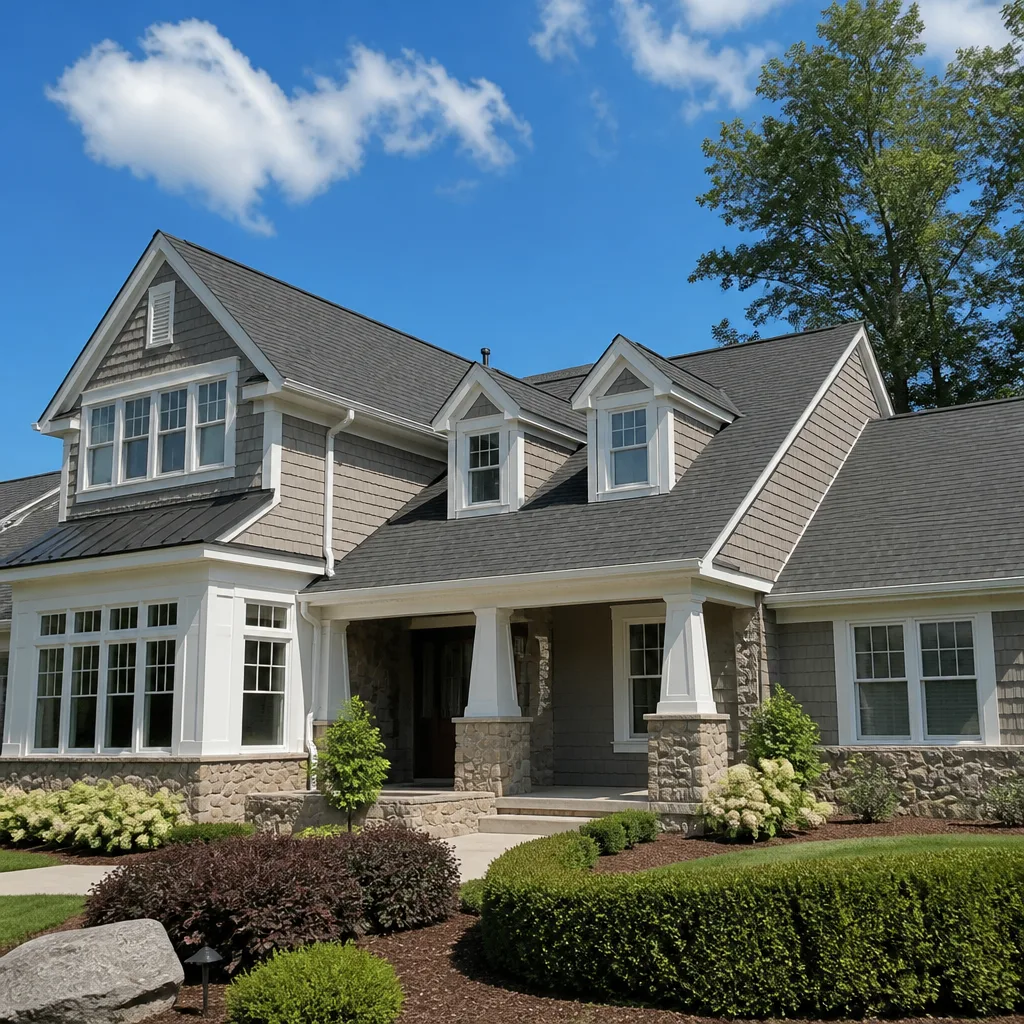
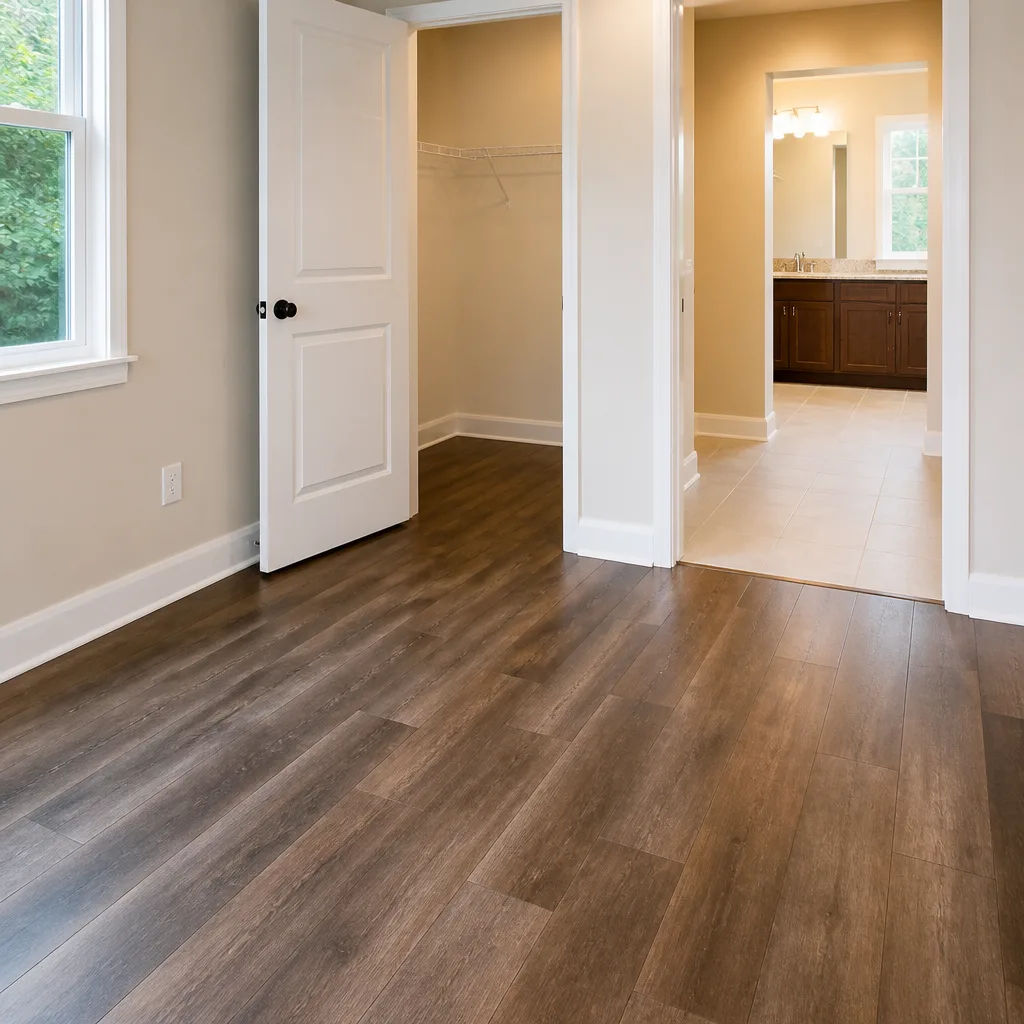
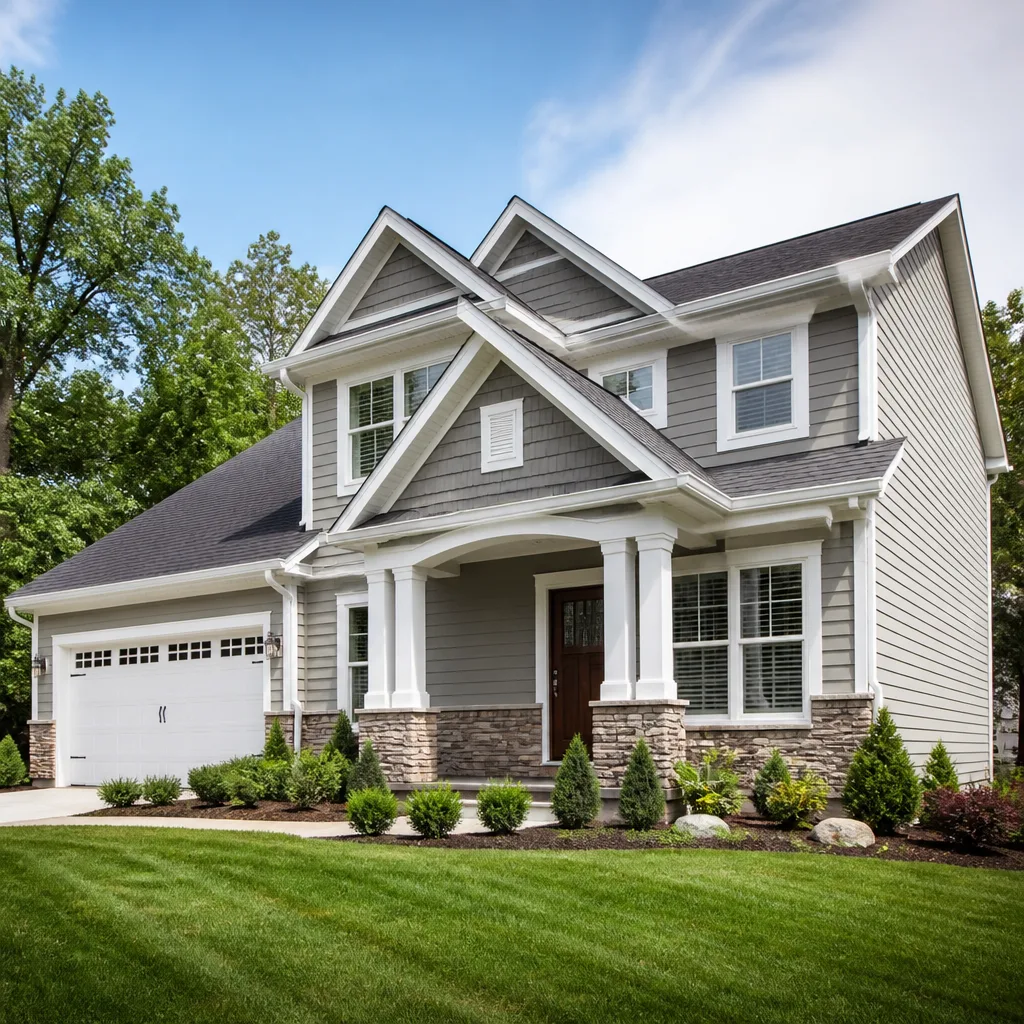
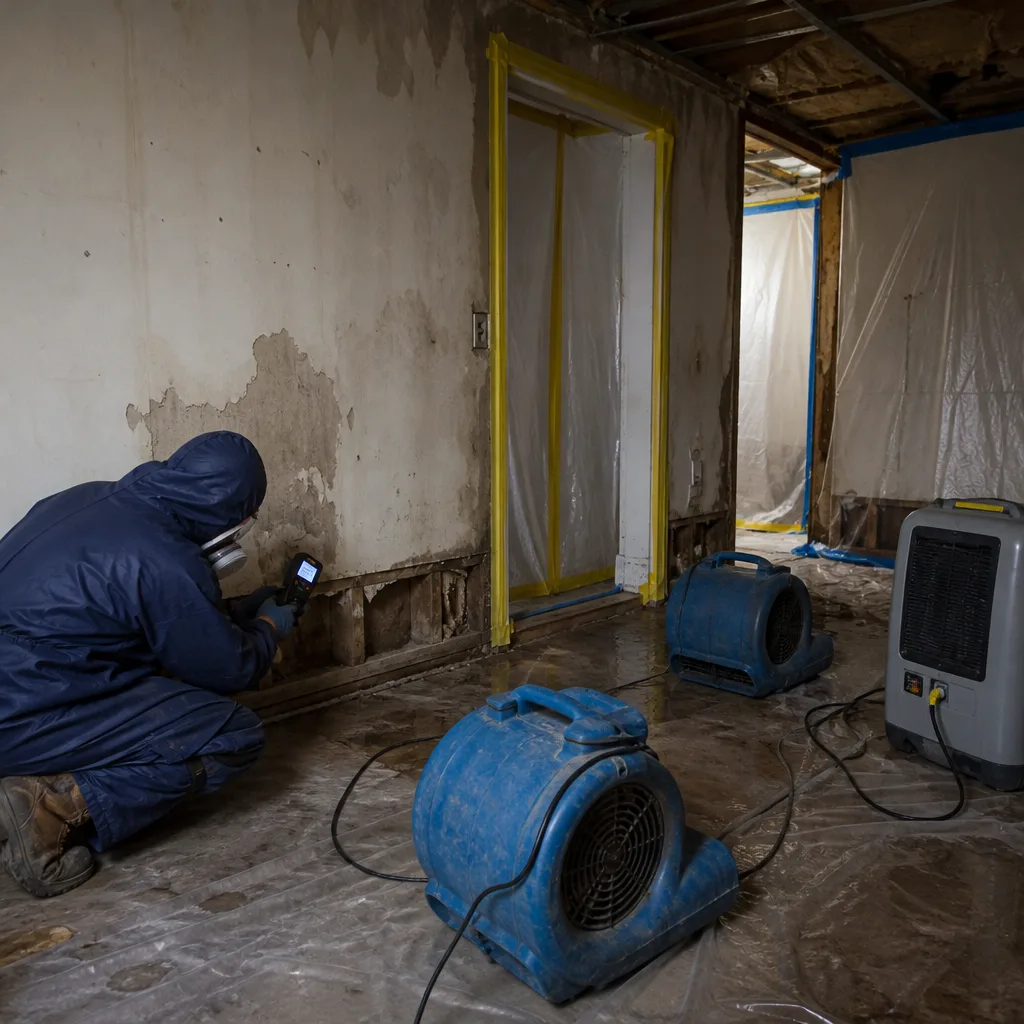 Before
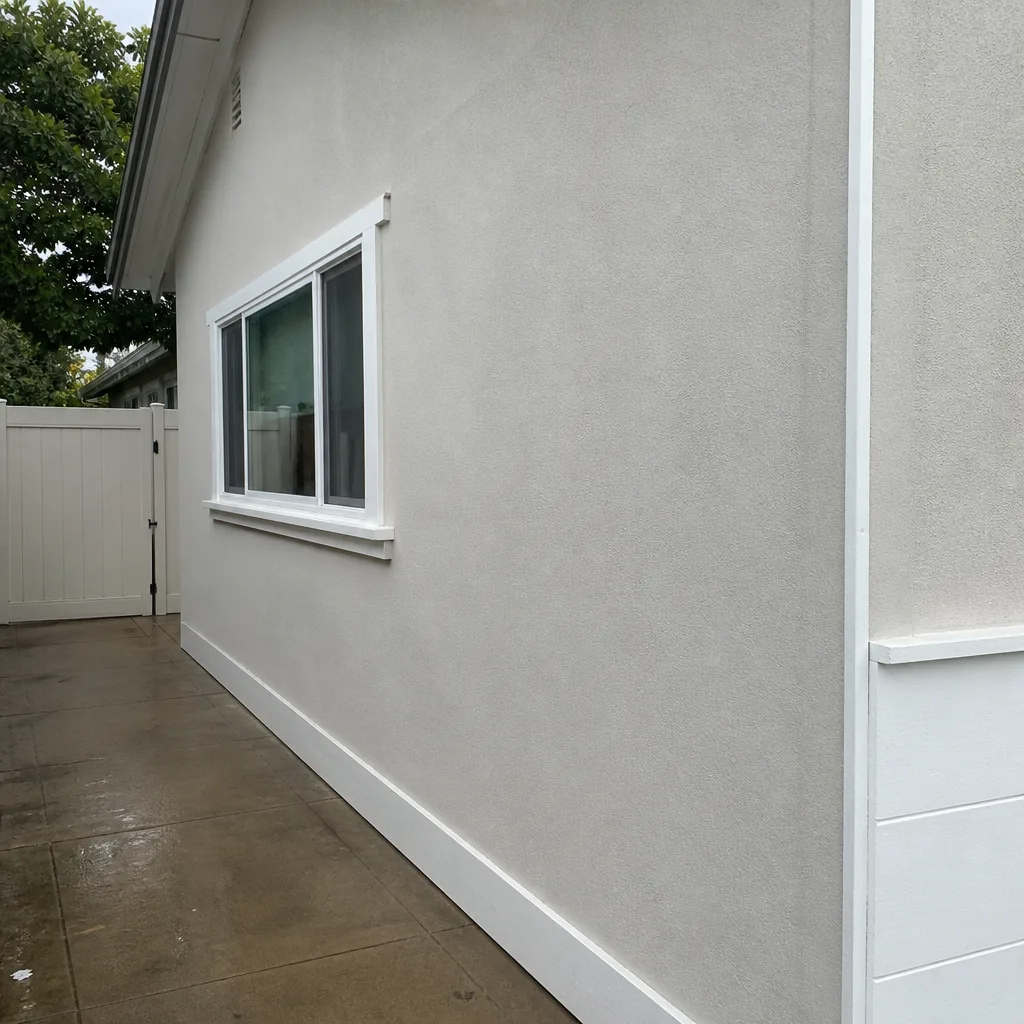 After
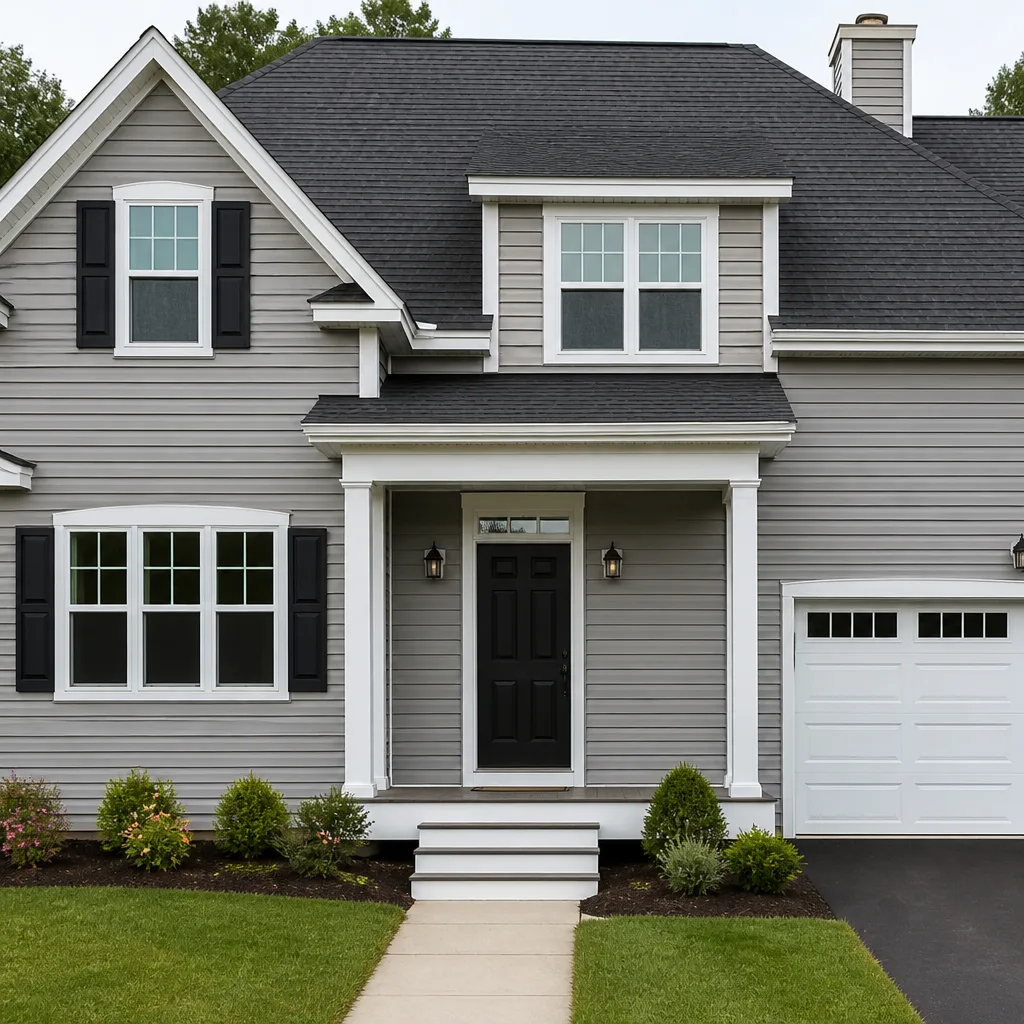
After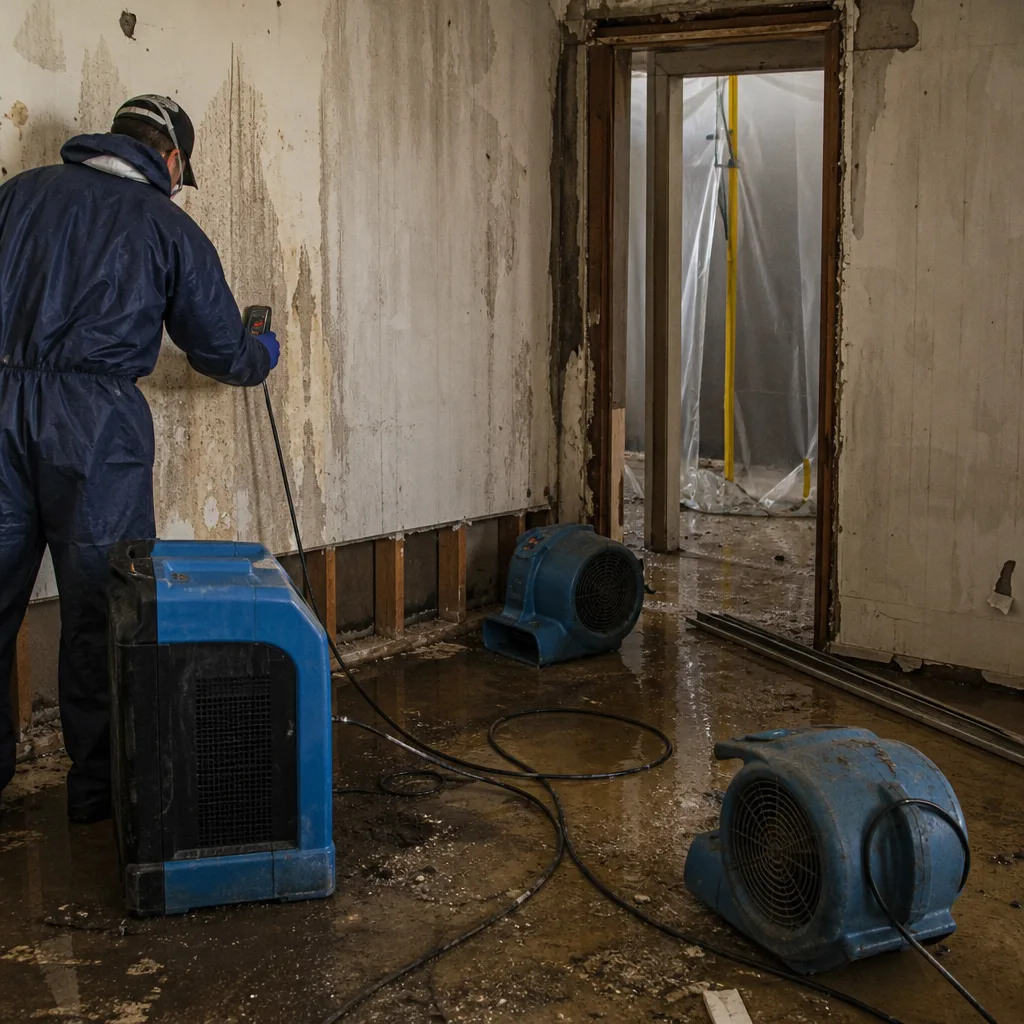 Before
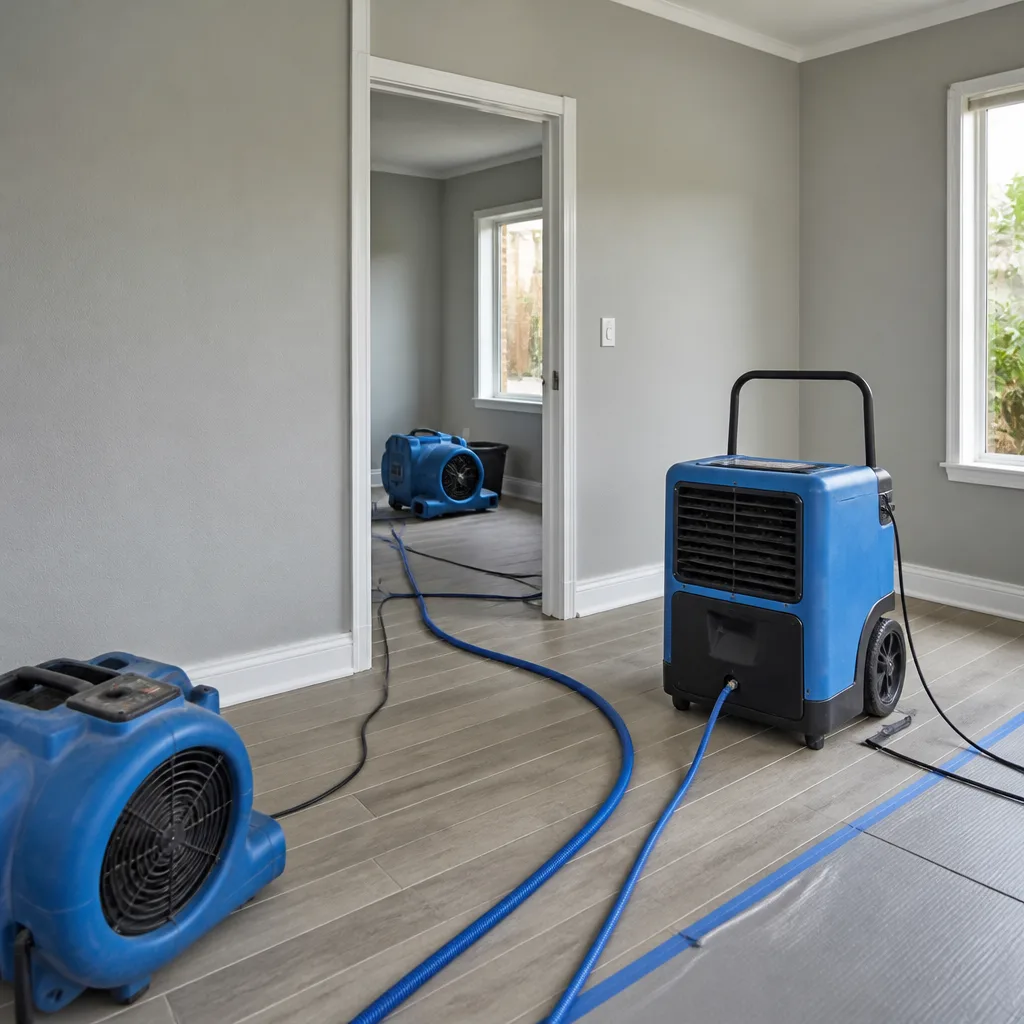 After
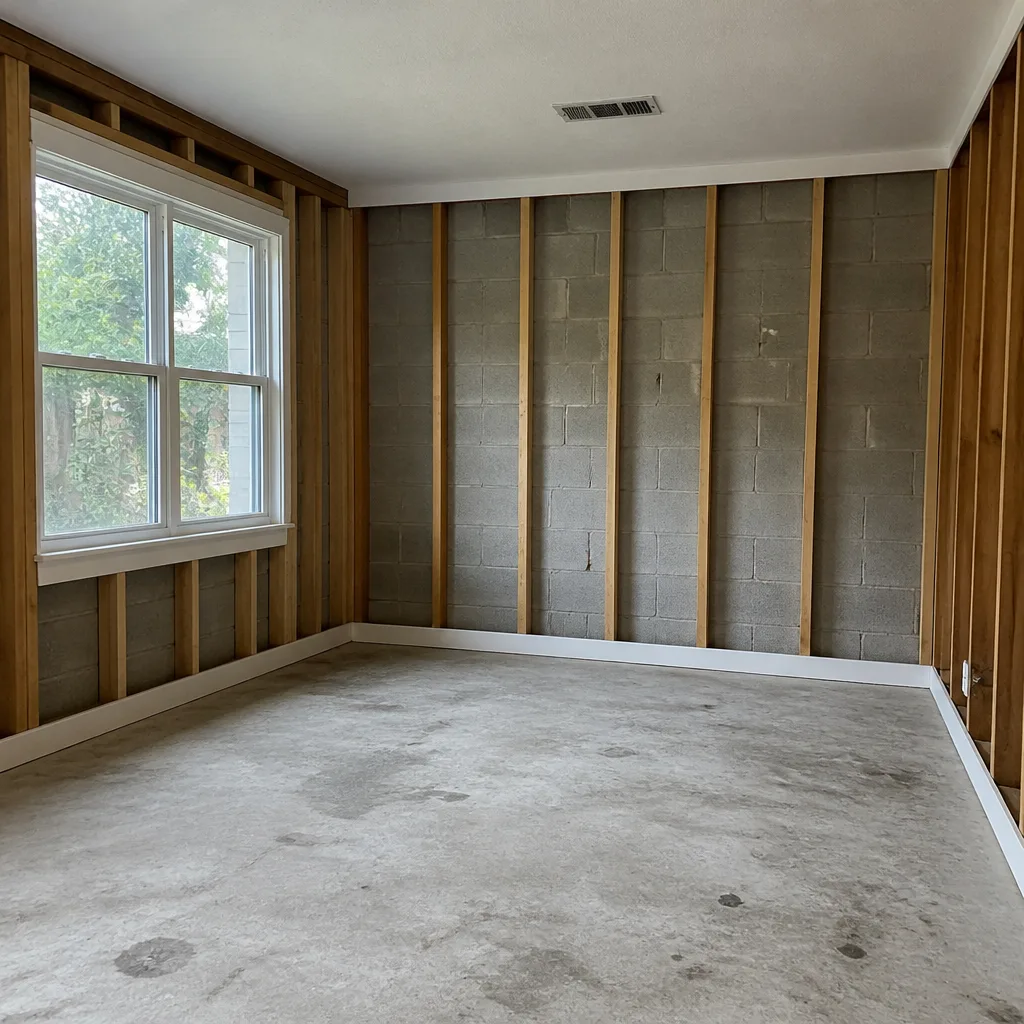
After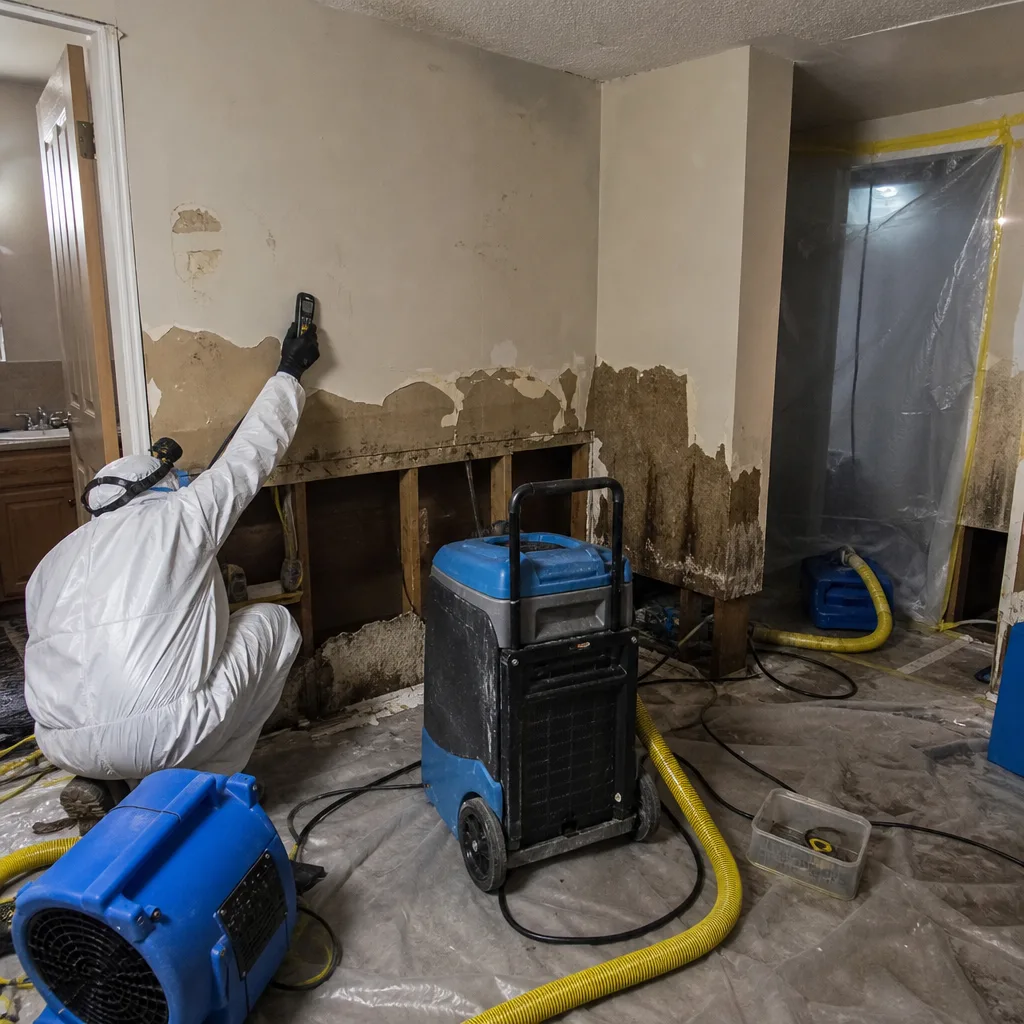 Before
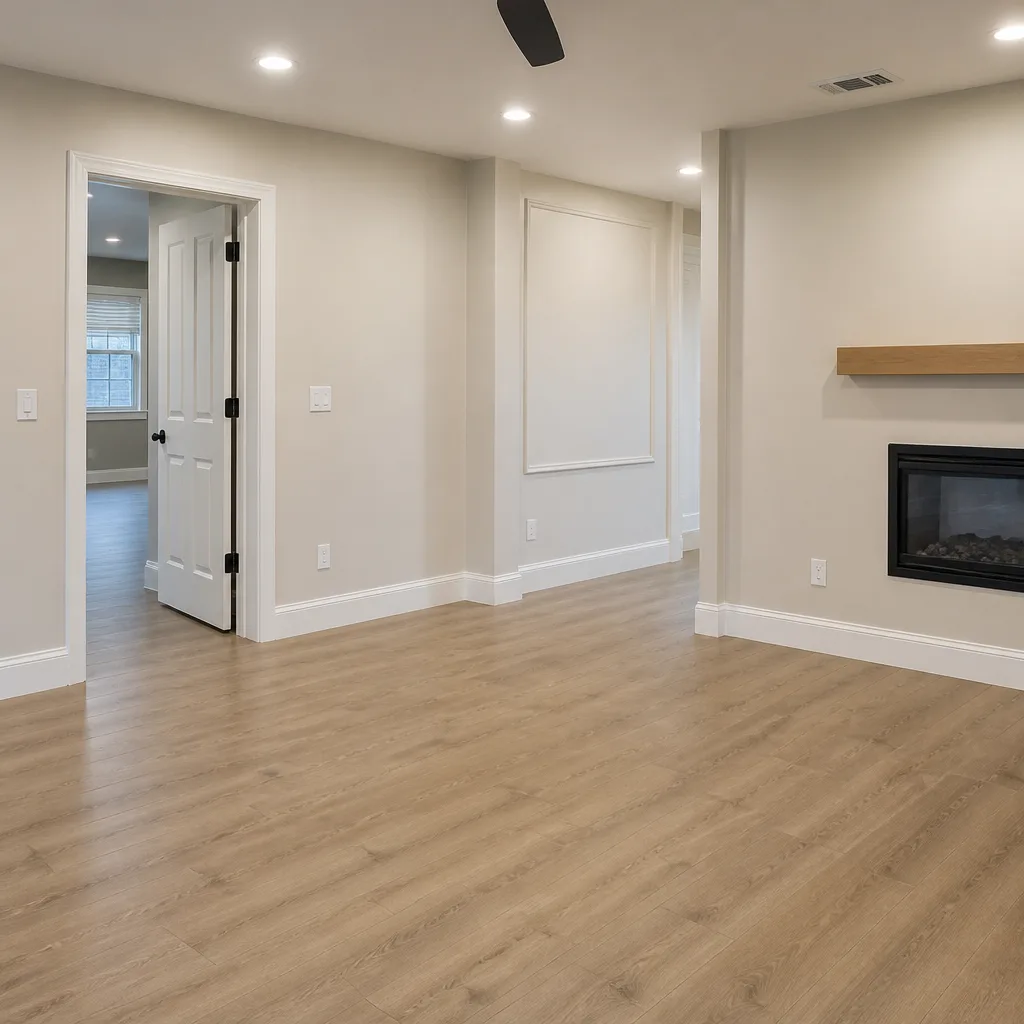 After
AfterFast, Reliable Water Damage Restoration Across Croton-on-Hudson
When water is spreading through a Croton-on-Hudson home, every minute matters. We’re Marsh Water Damage Restoration, and we respond to calls across the village – from the flats near Croton Landing to the hillside streets above the river – 24 hours a day. Call (910) 613-6568 and a live person answers. Not a voicemail. Not a chatbot. Someone who knows Croton-on-Hudson’s housing stock, its flood patterns, and exactly what happens to a 1920s horsehair-plaster wall when water sits in it overnight. We dispatch local crews who know the village roads, the flood corridor near the Croton River mouth, and the older homes that need slower, more careful drying than a standard job ever gets.
Why Marsh Water Damage Restoration Is Croton-on-Hudson’s Preferred Water Damage Restoration Company
Croton-on-Hudson homeowners call us because we show up fast and we show up known. Every technician who walks through your door is background-checked, identity-verified, and sent to you by name and photo before the visit. Then they show a photo ID badge at the door, every time. That’s the Threshold Verified standard, and it’s printed on every work order. Tobias Reyner leads our team, and the same standard he sets applies to every dispatch into Croton-on-Hudson.
We’ve worked the village long enough to know that a basement near the floodplain tells a different story than a hillside colonial on the north end. We don’t treat them the same. The clay soils around the Croton River continue feeding groundwater into foundations days after any visible flooding recedes, and a single-visit drying scope simply misses that. Our Water Damage Restoration team runs multiple moisture-mapping revisits as standard practice here, not as an upsell. That’s the difference between a house that looks dry and a house that is dry.
Water Damage Repair in Croton-on-Hudson
Water Damage Repair in Croton-on-Hudson means restoring a home after the immediate water is gone – replacing ruined drywall, resetting warped trim, resealing a rubble foundation, or stabilizing old-growth timber that has wicked moisture from a burst galvanized supply line. Homeowners in the village’s late-1800s Victorians and Craftsman-era homes call us when a pipe fails behind a horsehair-plaster wall, or an ice-dam roof edge lets rain into an attic that hasn’t been touched since the original framing went in. Repair work in this housing stock runs between $2,800 and $7,500 for a typical single-room restoration, depending on how much plaster, lathe, and timber needs to come out and go back.
Foundation and Masonry Repair
Croton’s fieldstone and rubble foundations hold moisture far longer than poured concrete. We remove the wet material, dry the stone, and repair the mortar joints before any interior finish work begins. Skipping this step means the repaired wall fails again within a year.
Plaster and Timber Restoration
Old-growth timber framing and horsehair plaster are worth saving in a Croton-on-Hudson original. We dry in place where we can using Injectidry panels that pull moisture from inside the wall cavity, a method standard low-profile drying equipment can’t match on these older assemblies.
Water Mitigation in Croton-on-Hudson
Water Mitigation in Croton-on-Hudson is the emergency response that stops the spread before repair begins. Extraction first. Then containment, dehumidification, and air movement. A typical basement water removal and initial drying setup in the village runs between $1,800 and $4,200 before any reconstruction. When the water is from a Category 1 source like a clean supply line, that’s one path. But in Croton’s older homes, a burst galvanized pipe often runs through a rubble foundation or a plaster cavity that hasn’t been opened since the Roosevelt administration – and that water grades quickly to Category 2 or Category 3. That changes what must be removed, and we tell you in writing before we cut anything.
Multi-Visit Drying Protocols
Near Croton Landing, the clay hillsides keep weeping groundwater long after the storm has passed. We set equipment, we leave, and we return with moisture meters to map the floor and walls again. If the readings rebound – and on those low streets they often do – we extend drying and add containment. We don’t pull equipment because a calendar says so.
Mixed-Chemistry Intrusion Handling
When the tidal Hudson backs up the Croton River and freshwater surge comes down the watershed at the same time, the water in a basement is neither purely fresh nor purely saline. That mixed chemistry affects how masonry and timber dry and what can be salvaged. Standard air-mover placement under-dries the salt-influenced portions. We adjust protocols for that, and it’s a big reason local knowledge matters on this stretch of river.
Trusted Brands We Service in Croton-on-Hudson
We run professional-grade equipment from Dri-Eaz, Phoenix, and XPOWER on Croton-on-Hudson jobs – the same platforms large commercial loss teams use, applied to a village home’s plaster walls and fieldstone basement. Our techs hold IICRC, RIA, and IFA credentials, so the person running the dehumidifier understands the psychrometric readings (measuring the moisture in the air) that tell us when the structure is genuinely dry, not just dry on the surface. Parts and equipment staging come from our metro-office coordination, but the crews serving Croton-on-Hudson are local and know the terrain.
Common Water Damage Restoration Problems We See in Croton-on-Hudson Homes
- Rebounding moisture readings after equipment is pulled. The glacially deposited clay hillsides around the village keep feeding groundwater toward the floodplain for days after a storm ends. A one-visit drying scope leaves those basements wet behind the surface, and the damage returns.
- Category 1 losses that quietly become Category 2 or 3. A burst supply line in a 1920s home often crosses a rubble foundation or a horsehair-plaster cavity that hasn’t been opened in decades. The water picks up contaminants quickly, and the removal scope changes. We catch this early because we’ve seen these houses before.
- Ice-dam roof damage on steep Victorian pitches. Freeze-thaw cycling from November through March repeatedly forms ice dams on the village’s older steep roofs. Meltwater backs up under shingles and into the eaves, then finds its way down into walls and ceilings.
- Tidal and freshwater intrusion treated as the same thing. Near the Croton River mouth, a flood event can push Hudson backflow and Croton watershed surge into the same basement in the same hour. The mixed chemistry demands different drying and salvage decisions than a single-source flood. Treating them identically under-dries the job.
Pricing for Water Damage Restoration in Croton-on-Hudson, NY
Most residential water extractions in Croton-on-Hudson run between $1,800 and $4,200 for the initial mitigation phase. Full water damage repair – replacing drywall or plaster, flooring, and trim in a single room – typically lands between $2,800 and $7,500. Multi-room losses in the village’s older homes can go higher because the materials are harder to work with and the drying takes longer. What moves the price: the water category, how many rooms are affected, whether plaster or drywall is involved, and whether the job is near Croton Landing where groundwater complicates the drying curve. We write the price before any work starts. You agree to the scope, then we begin. Call (910) 613-6568 for a free estimate.
We Also Serve Cities Near Croton-on-Hudson
Our crews serve Water Damage Restoration needs throughout the metro area, including Brooklyn, Queens, Manhattan, and The Bronx. If your property sits outside the village but you’re facing the same kind of water emergency, the same Threshold Verified standard applies to every dispatch.
Serving Croton-on-Hudson, NY - Our Local Coverage Area
We’re based in the Croton-on-Hudson area and know this community well. Use the map below to see our service coverage - if you’re nearby, we can almost certainly help.
FAQs About Water Damage Restoration in Croton-on-Hudson
Because the glacially deposited clay hillsides around Croton-on-Hudson keep weeping groundwater toward the floodplain long after the visible flood has receded. The soil itself stays saturated and keeps pushing water upward through foundations, so moisture readings rebound after equipment is pulled. In Pleasantville or the upland parts of Ossining, the ground drains differently and a single drying scope often holds. Near Croton Landing, we plan for multiple moisture-mapping revisits from the start. Call (910) 613-6568 to talk through what your specific basement needs.
Most start as Category 1 (clean water from a supply line) but quickly grade to Category 2 or Category 3 as the water crosses a rubble foundation, an unclean floor, or a plaster cavity that hasn’t been opened in decades. The contamination level dictates what can be dried and what must be cut out. We determine the category in writing before demolition starts, and we explain the reasoning in plain language.
It accelerates it. The Hudson River corridor locks in persistent fog and high relative humidity, especially in the low-village areas, and that means mold colonization in a stone or masonry basement can begin within 48 to 72 hours of a water event. In a fieldstone basement that was never damp-proofed, that timeline shortens further. Fast extraction and dehumidification matter more here than in drier parts of the county.
Yes, and it does it every winter. Freeze-thaw cycling from November through March builds ice dams on the steeply pitched roofs common to the village’s older homes. Water backs up under shingles, works into the eaves, and eventually shows up on ceilings and interior walls. It’s one of the most common sources of winter water damage we see in Croton-on-Hudson, and it recurs on the same houses year after year unless the roof edge is addressed.
We run Dri-Eaz dehumidification, Phoenix air movers, and XPOWER extraction equipment, plus Injectidry panels for drying inside plaster wall cavities where standard low-profile drying can’t reach. The choice of equipment depends on the wall assembly – horsehair plaster and old-growth timber need different treatment than modern drywall. Call (910) 613-6568 and we’ll walk you through what your house specifically needs.
We responded to a 1920s horsehair-plaster and rubble-foundation home off Grand Street in Croton-on-Hudson after a Nor’easter drove rain into a failed ice-dam roof edge - the kind of case our Croton-on-Hudson Storm Damage Restoration team handles regularly. The attic intrusion saturated upstairs plaster, and the basement backup pushed Category 2 water across the old fieldstone floor. Our techs set up extraction, air movers, and Dri-Eaz dehumidification, then ran Injectidry panels against the plaster because standard low-profile drying would have left the wall cavities wet. Through repeated moisture mapping visits, we confirmed the clay soil surrounding the foundation was still pushing groundwater upward. We added a second containment and antimicrobial treatment round before signing off on the drying logs. That house dried properly because we did not leave after the first visit and call it done.
If you’re facing water in your Croton-on-Hudson home, call (910) 613-6568. A live person answers. We’ll tell you exactly who is coming, what it will cost in writing, and what the drying plan will be before any equipment gets unloaded. The 365-Day Done Right Promise stays in force for a full year. If the repair is not right, we make it right – free second visit included, no argument required.
Written by Tobias Reyner, Owner at Marsh Water Damage Restoration, serving Croton-on-Hudson and the surrounding Hudson Valley since 2005.