
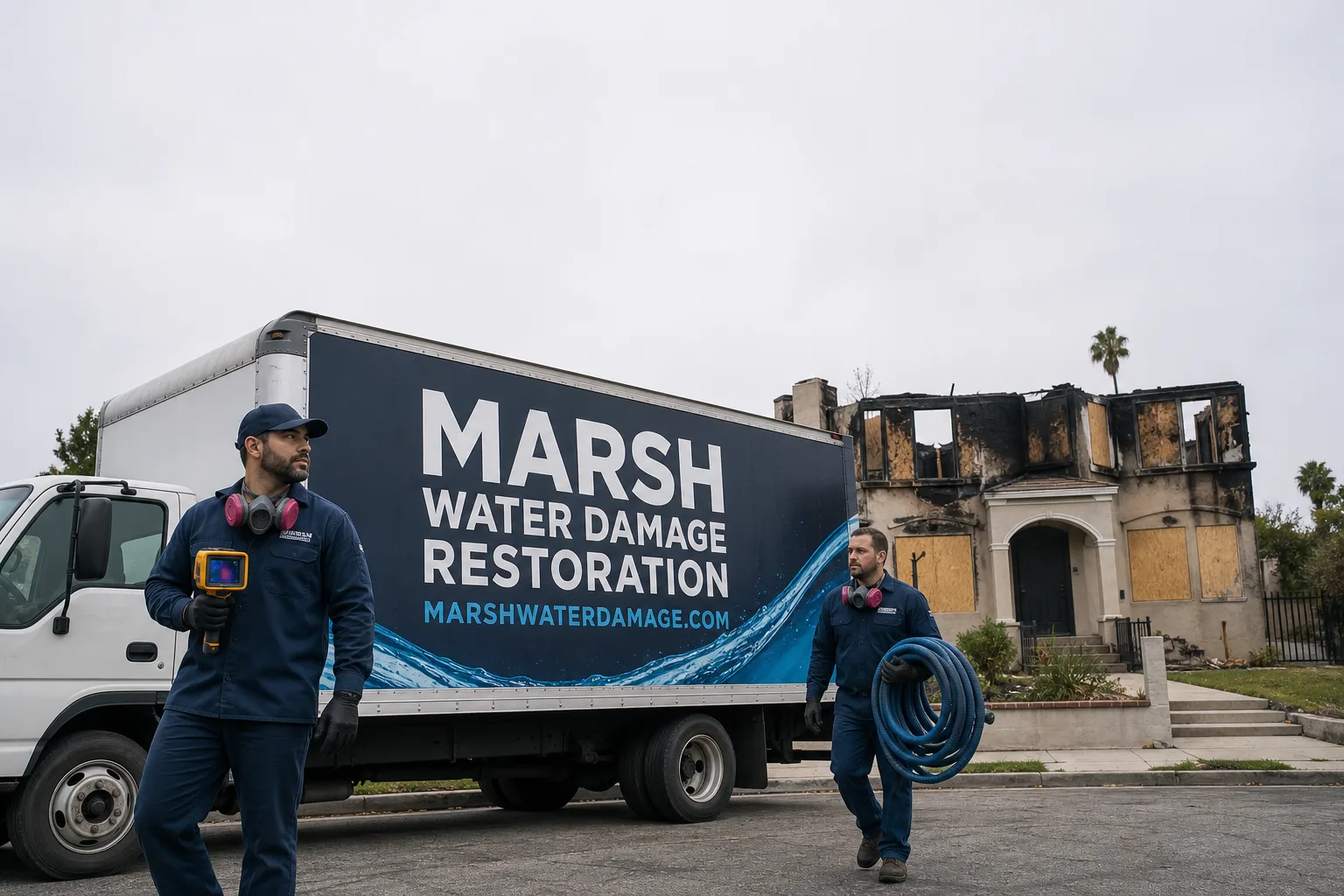
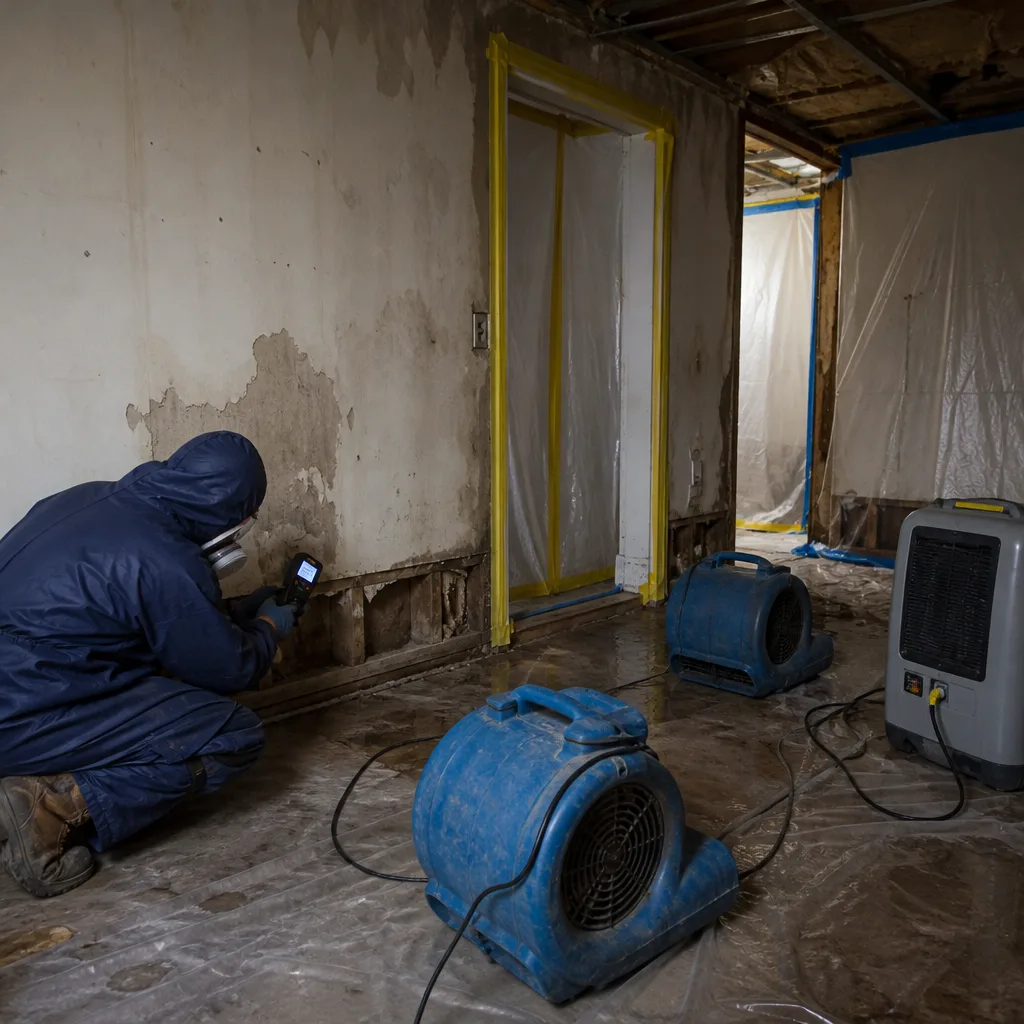
Free visual inspection and a written scope of work before any mitigation begins - photos, moisture readings, and drying logs go in your claim file
The scope we write is the scope we bill. Anything new gets shown to you, in writing, before we touch it.
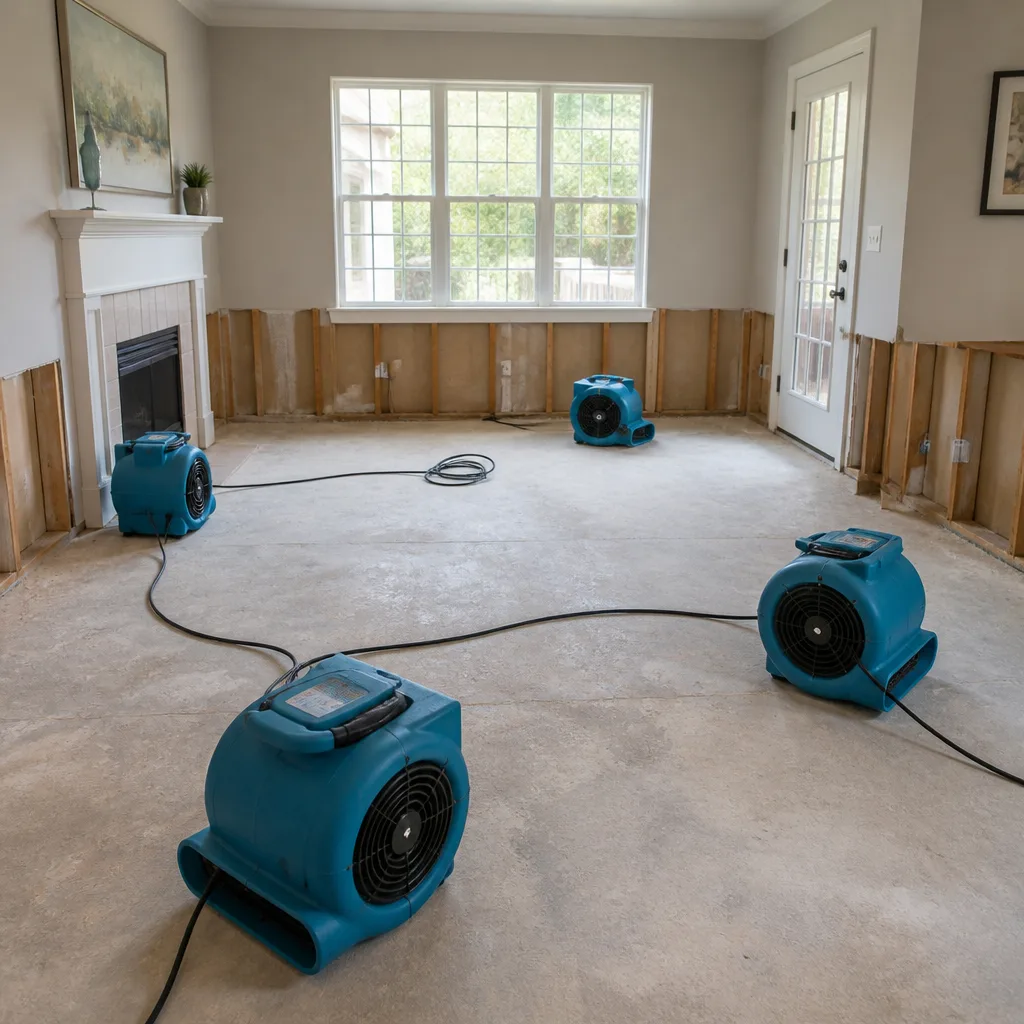
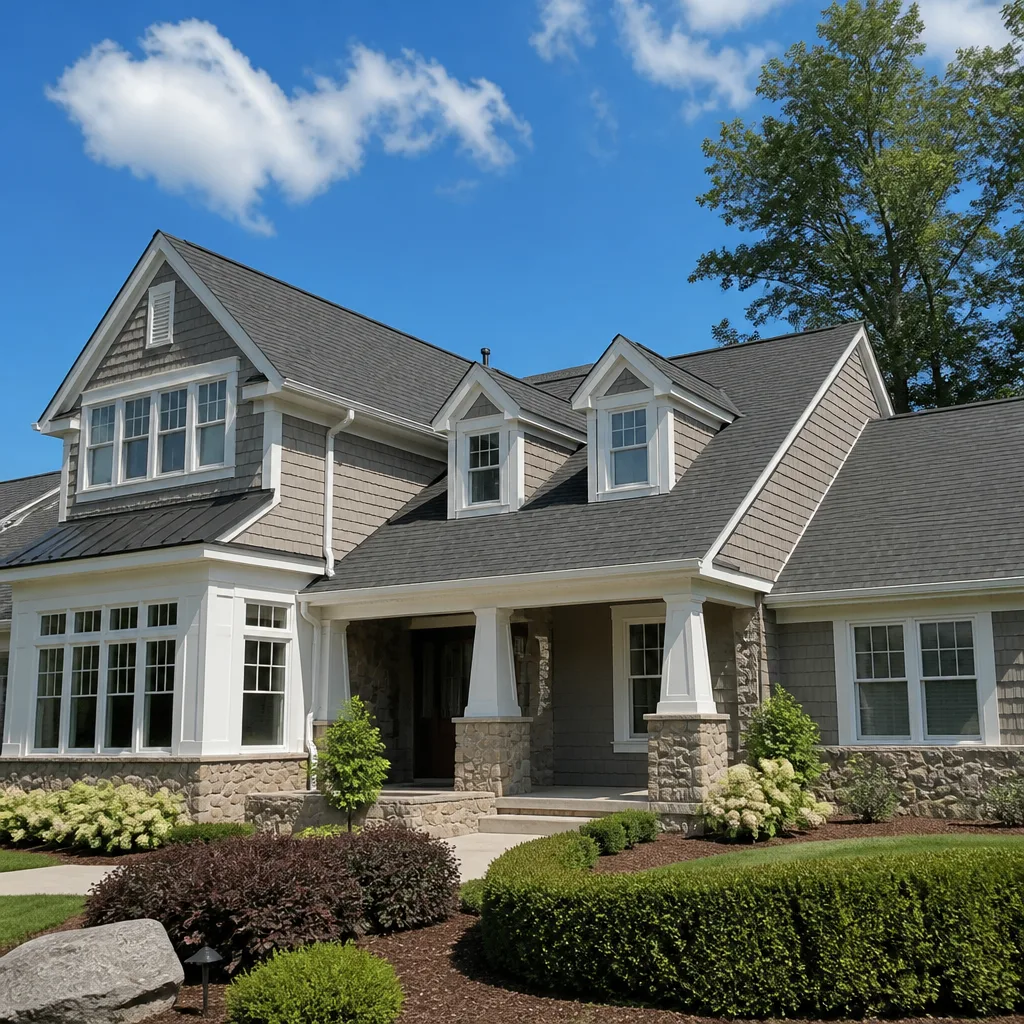
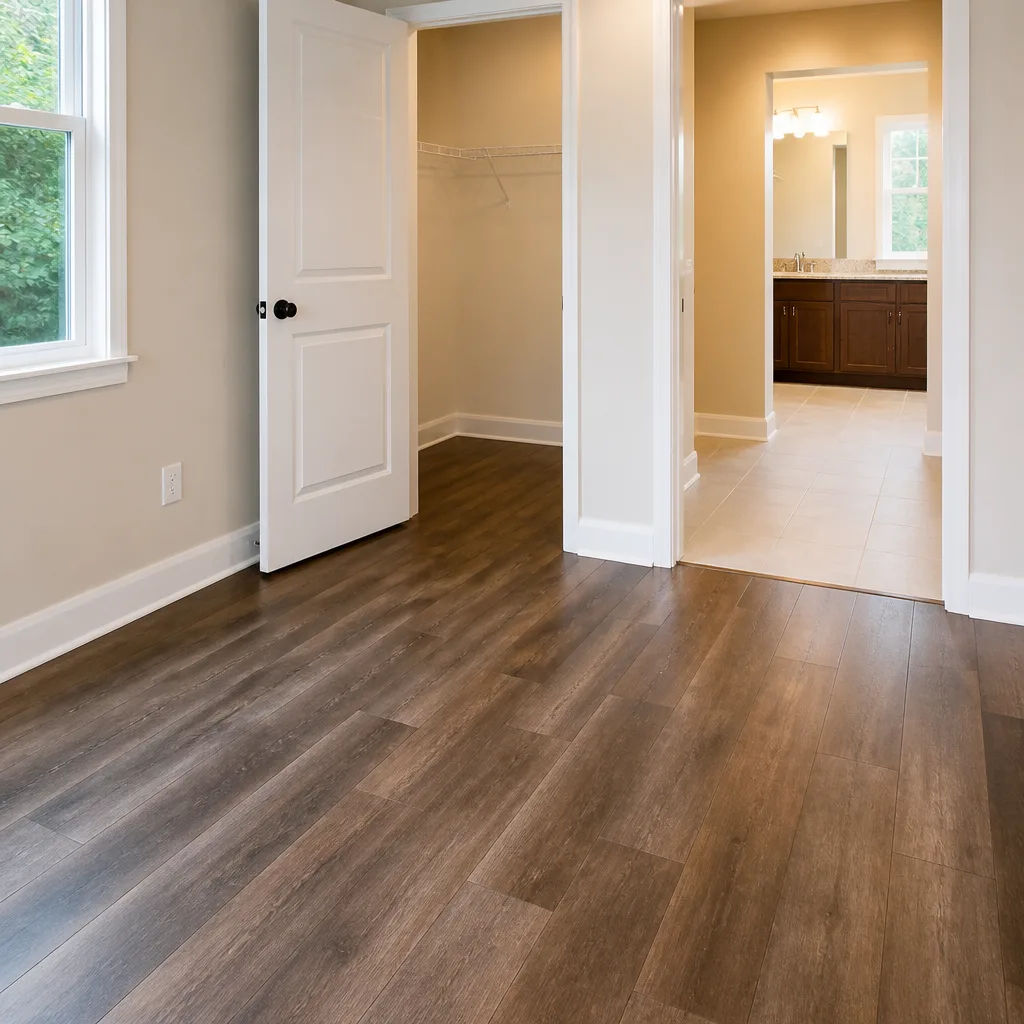
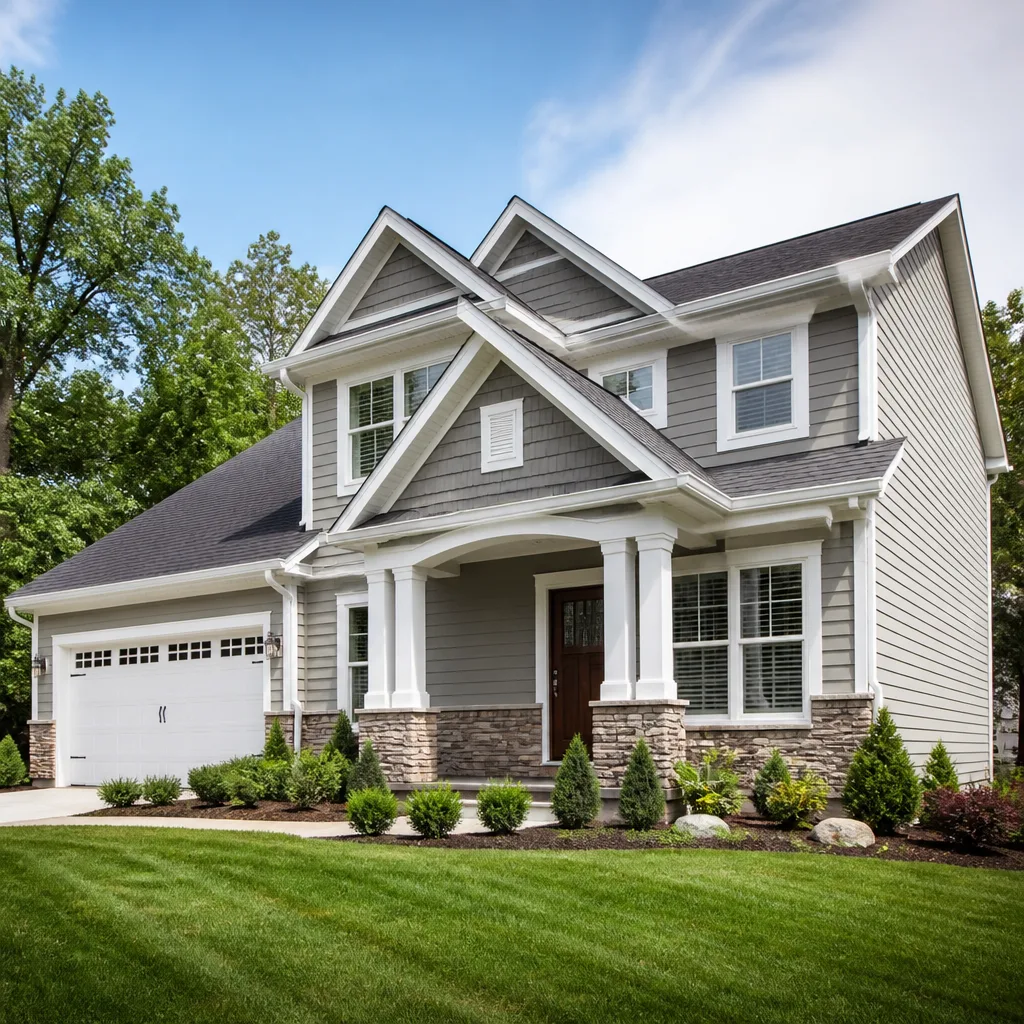
 Before
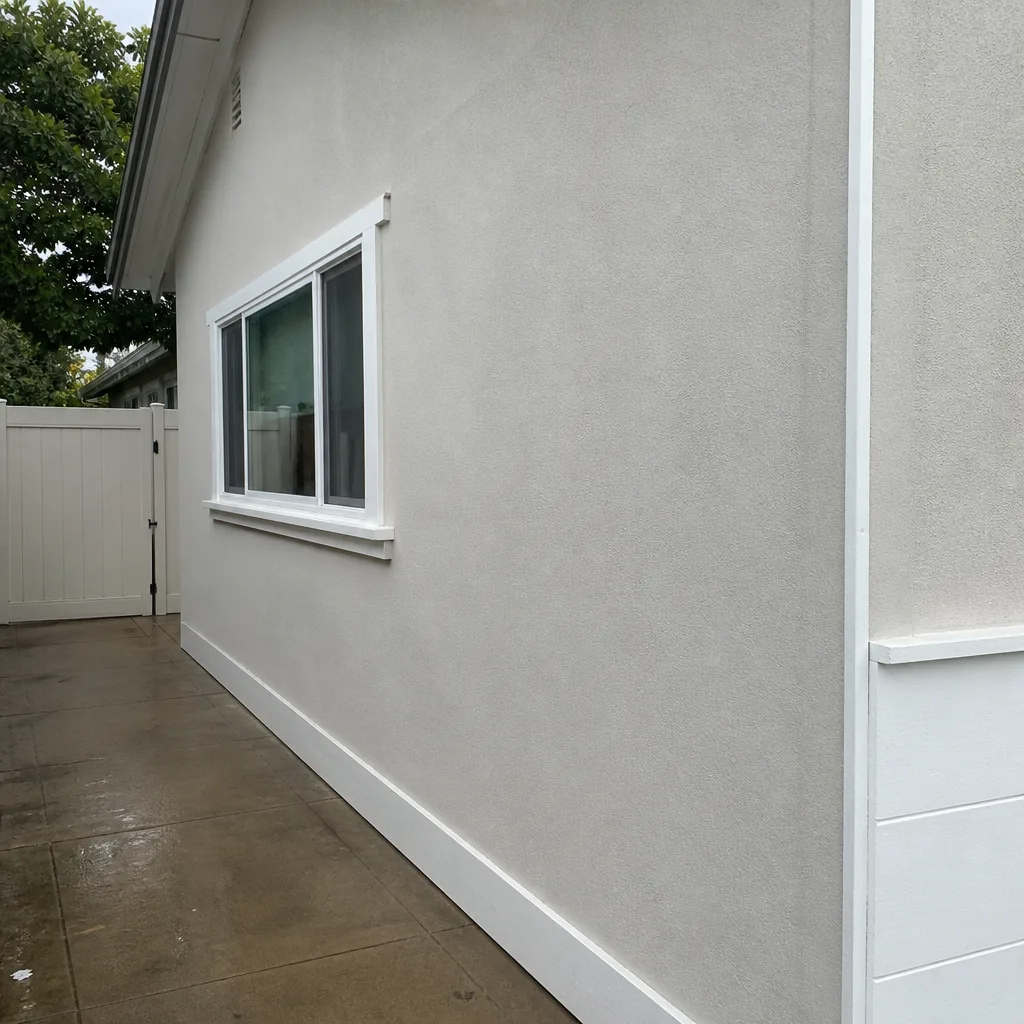 After
After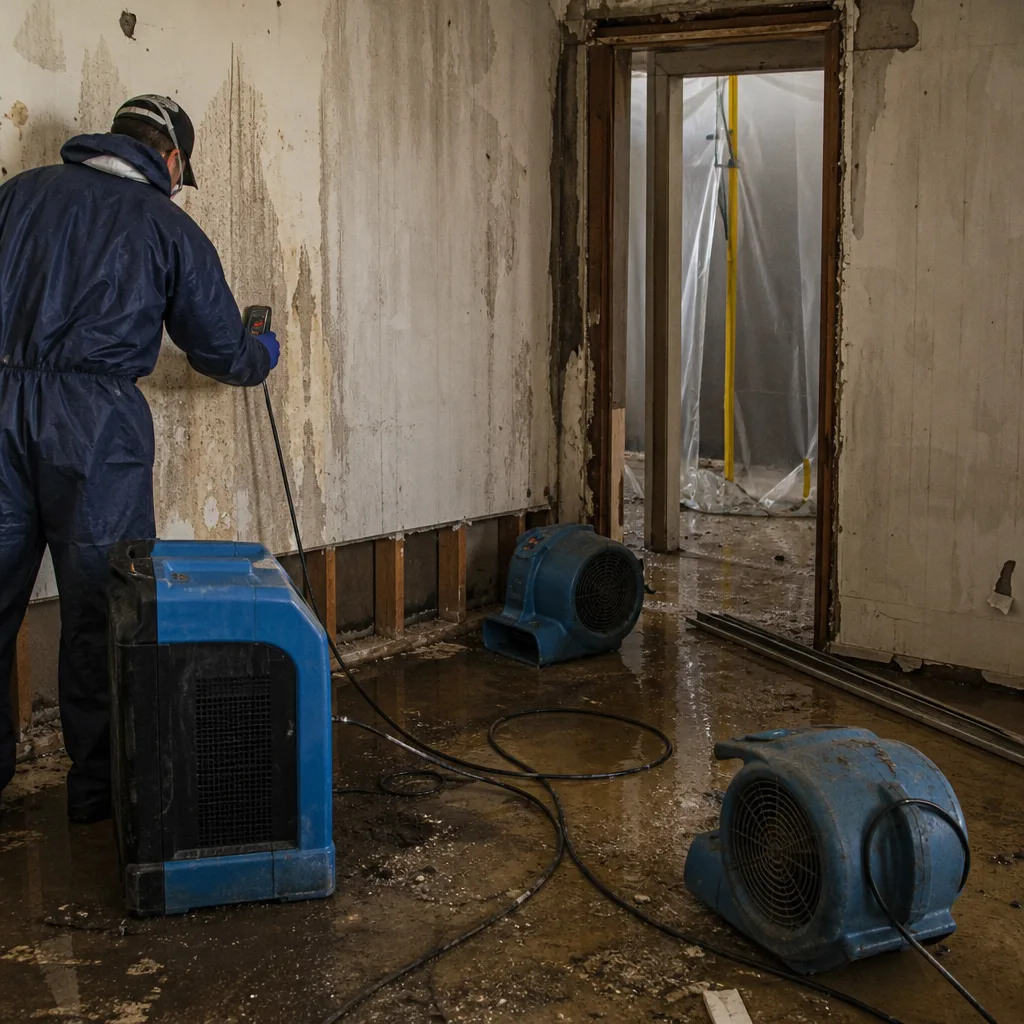 Before
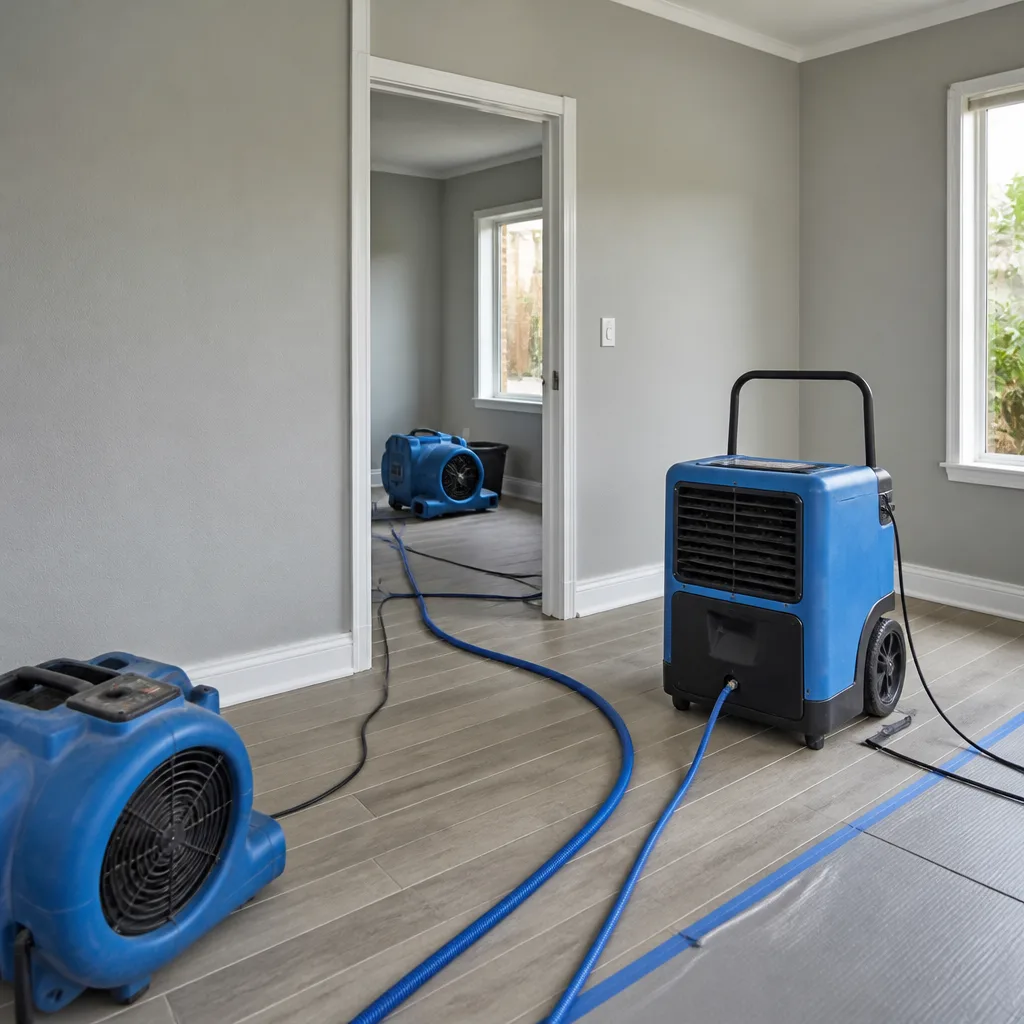 After
After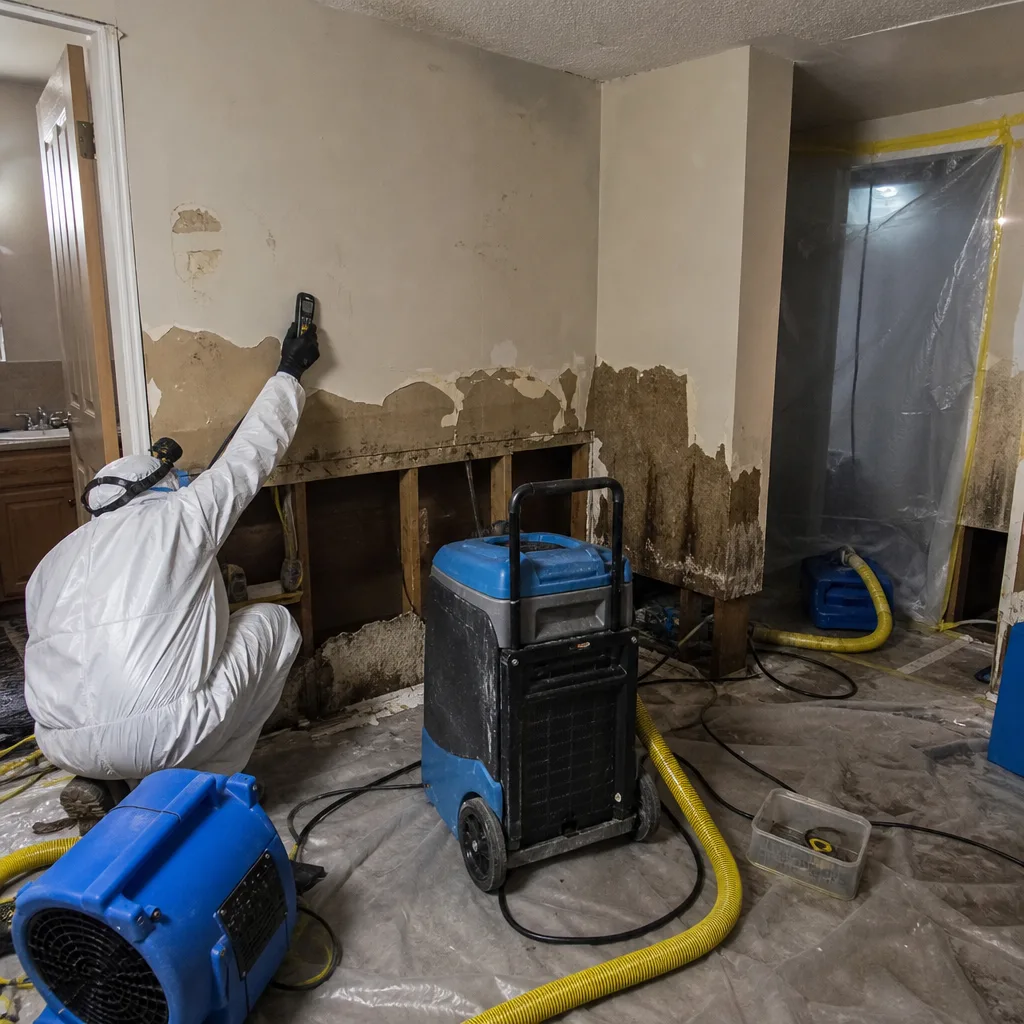 Before
 After
AfterFast, Reliable Water Damage Restoration Across Grand View-on-Hudson
Water damage restoration in Grand View-on-Hudson typically costs between $2,800 and $9,500 for a full structural drying and repair scope, with emergency extraction alone running $800 to $2,200. Most jobs are started same-day, and because Grand View-on-Hudson’s riverside properties sit on a tidal stretch of the Hudson, the work here demands something inland crews never think about: coordinating drying schedules around the tide table. That’s the kind of local reality our Water Damage Restoration team accounts for on every call. If water is moving through your home right now, call (910) 613-6568 and a live person will answer.
Key Takeaways for Grand View-on-Hudson Homeowners
- Riverside homes here face brackish, sediment-laden surge water that inland flooding never produces, and that changes how we classify, dry, and remediate the damage.
- Homes built between the 1890s and 1920s with balloon-frame construction allow water to travel vertically inside wall cavities, so a flooded basement often means hidden moisture two floors up.
- Brackish water from the tidal Hudson is category 3, not category 2; anything porous it touches is removed, not dried in place.
- Tide-window staging matters: equipment is set above the surge line and drying pauses between high tides on riverside properties that re-flood with the cycle.
- Every job gets a written price before work begins, a written guarantee, and the 365-Day Done Right Promise printed on the work order.
Why Marsh Water Damage Restoration Is Grand View-on-Hudson’s Preferred Water Damage Restoration Company
We’ve been at this since 2005 as the restoration brand of the Threshold Group family, offering our Storm Damage Restoration in Grand View-on-Hudson. What that means for a Grand View-on-Hudson homeowner is simple: the technician who shows up at your door is not a subcontractor you’ve never heard of. Under the Threshold Verified standard, every tech is background-checked, identity-verified, and sent to you by name and photo before the visit. When they knock, they show a photo ID badge. Every time. For families with young children, homeowners who are often alone during the day, and older residents, that protocol matters as much as the drying equipment itself. Tobias Reyner leads our technical team, and the crew carries IICRC, RIA, and IFA credentials. Our phone is answered 24/7 by a live person at (910) 613-6568.
Grand View-on-Hudson presents a specific kind of water loss that we’ve learned to read over hundreds of jobs here. The village is a narrow shelf between the Palisades ridge and the Hudson. When heavy rain hits, water sheet-flows downslope from the ridge onto lower properties, saturating crawlspaces and basements even when the river never overflows. And when the river does surge, the water is brackish and tidal. We plan around both patterns, and our drying schedules account for tide windows on riverside streets like River Road. That’s not something a generic restoration company learns on the drive over from Brooklyn.
Flooded Basement in Grand View-on-Hudson
A flooded basement in Grand View-on-Hudson usually means one of two things: ridge runoff overwhelming an aging French drain or stone foundation, or tidal surge backing up through floor drains and foundation cracks. Either way, water gets in fast, and with the village’s older housing stock, it moves upward through balloon-frame wall cavities more aggressively than in modern platform construction. Prices for basement flood cleanup here run $2,800 to $9,500, including extraction, drying, and the first stage of material removal. If you call us at (910) 613-6568, a live person takes your call, and we schedule against tide windows, not just traffic.
Brackish Water in Basements
When the Hudson surges into a Grand View-on-Hudson basement, the water carries salt and fine sediment. We classify it as category 3, which means porous materials are removed, not dried in place. Salt accelerates corrosion on cast-iron drains, cut nails, and any exposed copper or steel. Drying a brackish-flooded basement as if it were ordinary freshwater is exactly how hidden damage gets locked in for years.
Tide-Timed Drying Schedules
On riverside properties that re-flood with the tide cycle, our crews stage Dri-Eaz and Phoenix desiccant and air-moving equipment above the high-tide line. Between tide windows, we monitor moisture readings in real time and pause operations when another surge is coming. It adds a layer of coordination inland jobs never need, but it prevents the re-wetting cycle that stretches structural drying from days into weeks.
Water Extraction in Grand View-on-Hudson
Water extraction in Grand View-on-Hudson starts at $800 and runs to about $2,200 for the initial emergency pull using truck-mounted or portable extraction rigs from XPOWER and B-Air. Older homes in the village present a quirk that changes the extraction scope: the 1890s to 1920s balloon-frame construction lets water travel vertically inside wall chases. A basement that looks like it only has six inches of standing water often has wicked saturation reaching into plaster and lath two floors above. We extraction-map the basement, then moisture-map the walls above before we decide what gets pulled versus what gets opened up.
Vertical Water Travel in Balloon-Frame Homes
Platform framing, used in most homes built after the 1940s, stops water at each floor plate. Balloon framing, used in most of Grand View-on-Hudson’s original housing stock, has continuous wall cavities running from foundation to attic. Water follows those cavities. Our techs run moisture mapping on wall surfaces above any wet basement to catch what a floor-level extraction alone would miss. Bore-scoped readings tell us what can realistically be dried versus what has already lost its pre-loss condition.
Salt and Sediment in Extraction
The Hudson’s tidal water leaves sediment in carpets, padding, and behind baseboards. A clean freshwater flood leaves a different residue than a brackish surge. Our extraction process accounts for the salt load, because it changes what we remove, what we rinse, and how we treat fasteners and framing afterward. Skipping that step is how corrosion shows up a year later, long after the visible water is gone.
Trusted Brands We Service in Grand View-on-Hudson
We run professional-grade equipment from Dri-Eaz, Phoenix, and XPOWER on residential jobs, not just large commercial losses. For Grand View-on-Hudson homeowners, that matters because we are not showing up with rental-store fans and hoping for the best. We keep backup inventory available so a mid-job equipment failure doesn’t stall your drying schedule during a storm window. Our techs are trained on these rigs to IICRC and RIA standards, so the gear is run correctly from the first hour. Tobias Reyner’s team stocks the sensors and bore-scopes needed to document what’s dry, what’s wet, and what needs removal, and we log every reading for your adjuster.
Common Water Damage Restoration Problems We See in Grand View-on-Hudson Homes
- Tide-timed re-inundation: Riverside structures on River Road and adjacent streets can re-flood two or three times in a 24-hour tidal cycle. Crews that keep drying equipment at basement level end up re-wetting materials they just mapped, adding days to the schedule. We stage above the high-tide line and pause between tide windows.
- Salt-laden floodwater misclassified: Brackish Hudson surge water is sometimes treated as category 2 by teams unfamiliar with this stretch of river. It is category 3. Porous materials saturated by it are removed, not dried in place, or corrosion spreads silently through fasteners and legacy wiring.
- Legacy balloon-frame cavities: In the village’s 1890s to 1920s wood-frame cottages, water travels vertically through continuous wall chases. A basement-only extraction leaves hidden moisture in plaster and lath two floors up, and mold follows within days.
- Ridge-to-river runoff: Downslope sheet flow from the Palisades overwhelms aging French drains and stone foundation mortar during heavy rain, saturating crawlspaces. A single extraction visit won’t solve this recurring pattern; our team documents drainage failures and recommends the structural fix alongside the drying work.
Pricing for Water Damage Restoration in Grand View-on-Hudson, NY
Most residential water extractions in Grand View-on-Hudson run $800 to $2,200. Full flood cleanup with structural drying and initial material removal typically lands between $2,800 and $9,500. Where your job falls depends on whether the water is category 2 or category 3, how far it traveled through balloon-frame cavities, and whether we’re battling tide-window re-inundation. You get a written price before any work starts, not an estimate that grows after demolition begins. Every work order includes our written guarantee and the 365-Day Done Right Promise. If something is not right within a year, we make it right, and the second visit is free. Call (910) 613-6568 for a free estimate.
We Also Serve Cities Near Grand View-on-Hudson
Our Water Damage Restoration in Grand View-on-Hudson coverage extends to the surrounding metro when the job calls for it, including Brooklyn, Queens, Manhattan, and The Bronx. Tidal surge and older housing stock aren’t unique to the village, but the specific combination here is one we know intimately. If you’re in Grand View-on-Hudson or one of the nearby boroughs, call (910) 613-6568 and we’ll get a crew moving.
Serving Grand View-on-Hudson, NY - Our Local Coverage Area
We’re based in the Grand View-on-Hudson area and know this community well. Use the map below to see our service coverage - if you’re nearby, we can almost certainly help.
FAQs About Water Damage Restoration in Grand View-on-Hudson
Yes. Tidal surge water from the Hudson is brackish and sediment-laden, which makes it category 3, not category 2. That means porous materials saturated by it are removed rather than dried in place, and we treat framing and fasteners for salt-driven corrosion before drying begins. Call (910) 613-6568 and our team will confirm what your specific situation requires.
Because the village’s 1890s to 1920s homes were built with balloon-frame construction, water travels vertically through continuous wall cavities from foundation to attic. Fans dry the floor; extraction and moisture mapping address what has wicked upward into the plaster, lath, and framing. Without extraction, hidden mold follows within days in these older structures.
We stage drying equipment above the high-tide line and coordinate the drying schedule around the tide table. Between tide windows, we run desiccant and air-moving units from Dri-Eaz and Phoenix, pausing before the next surge arrives. This prevents re-wetting materials we have already mapped and keeps the structural drying schedule from stretching out by days. Call (910) 613-6568 for a same-day assessment.
Properties in the FEMA Special Flood Hazard Area must follow specific repair and elevation standards for anything structural, and your adjuster will need documentation of the water’s source and classification. We log every moisture reading, photograph the brackish surge penetration, and coordinate directly with your adjuster so the claim reflects what actually happened, not a generic flood narrative.
Original wood-frame cottages in Grand View-on-Hudson breathe differently than modern platform-framed homes, and many have stone foundations with older mortar that holds moisture. Add balloon-frame wall chases and hidden water wicking vertically, and mold gets a head start in spaces you can’t see from a basement floor. Our moisture mapping and bore-scoped readings find what surface inspections miss, and we document everything for your claim.
Call Marsh Water Damage Restoration in Grand View-on-Hudson
Water in your home, whether from the tidal Hudson, a ridge runoff event, or a burst pipe in a 1912 cottage, is time-sensitive. Grand View-on-Hudson’s housing stock and riverfront location make fast, informed action the difference between a contained loss and a structural problem. Our Water Damage Restoration team knows the village, the tide table, and the building science of its older homes. Call (910) 613-6568 now. A live person answers, you get a written price before work starts, and a written guarantee backs every job we do.
Written by Tobias Reyner, Owner at Marsh Water Damage Restoration, serving Grand View-on-Hudson with restoration services since 2005.